
Do Rich Snippets Help SEO? Benefits, Limits, and Setup
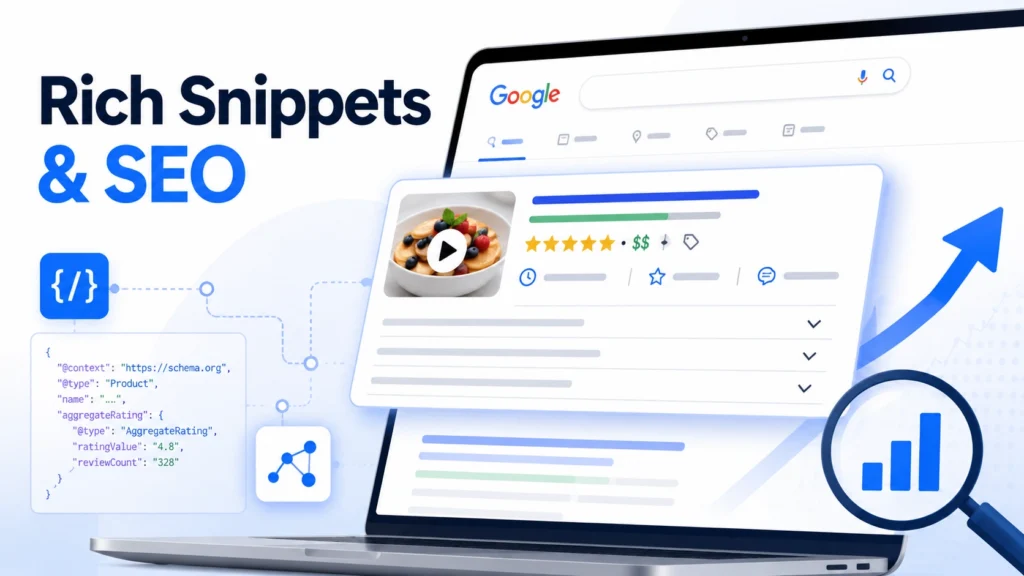
Yes, enhanced search listings can indirectly support organic performance by making results more visible, useful, and easier to evaluate on the results page. The answer to “Do rich snippets help SEO?” is yes, but they do not work as a direct ranking factor or guarantee higher positions.
They can support a better click-through rate CTR by showing details like star ratings, prices, cooking time, FAQs, or product availability.
Log File Analysis for SEO: How Search Bots Use Your Site
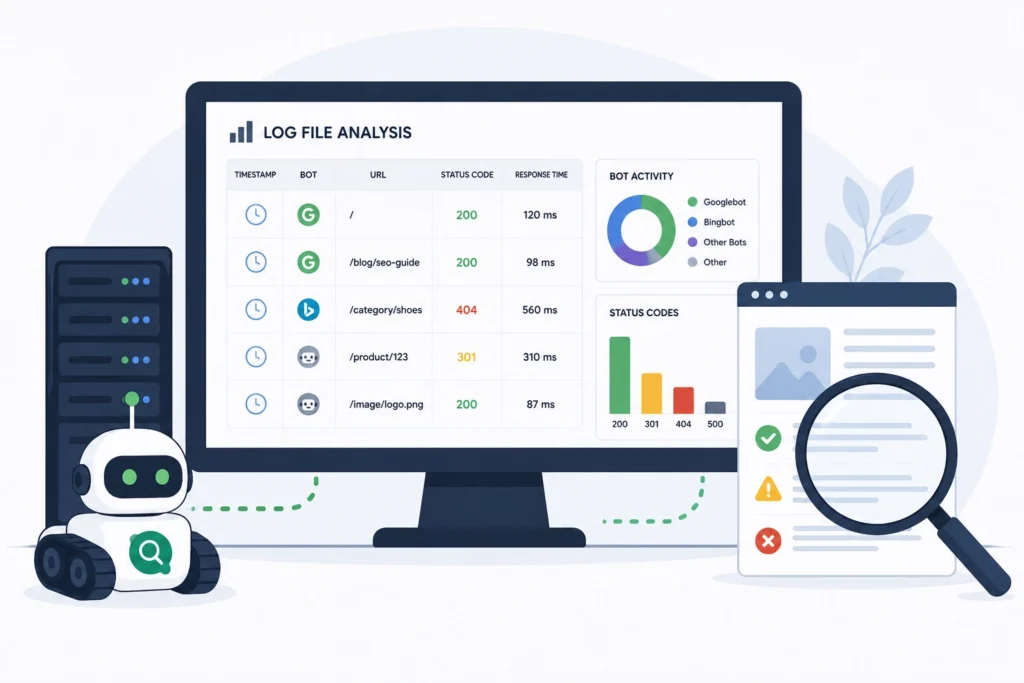
Server log analysis helps improve search engine access by showing how bots and users interact with a website at the server level. Unlike third-party estimates, log file analysis for SEO uses raw server records to show which URLs bots request, how often they visit them, which status codes they receive, and whether search engine activity is focused on valuable or low-priority pages.
This first-party data helps identify wasted bot requests, indexing barriers, redirect issues, orphan URLs, slow responses, and other technical issues.
Local SEO Questions to Improve Rankings, Traffic, and Leads
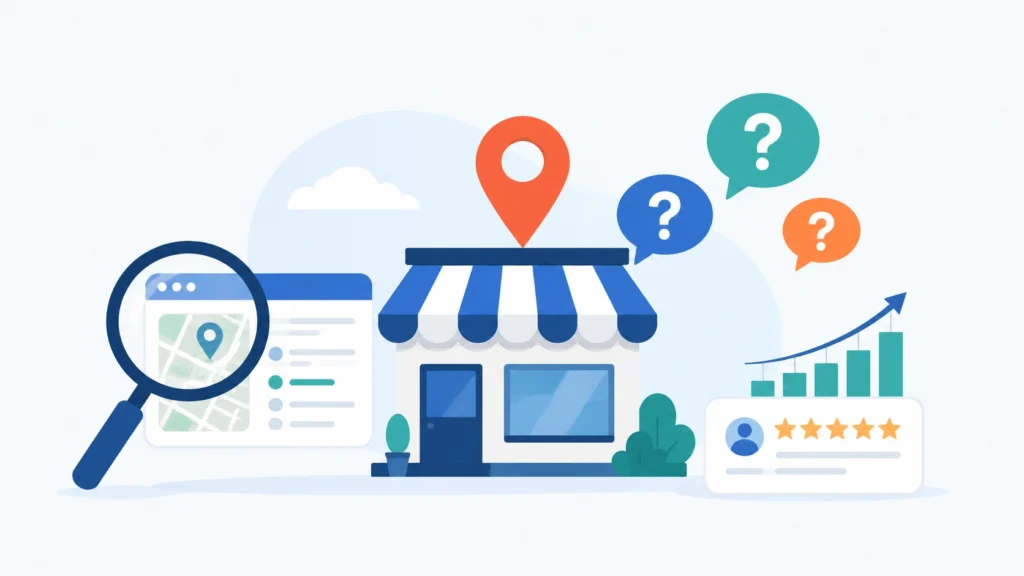
Improving rankings, traffic, and leads starts with asking the right local SEO questions about visibility, relevance, trust, and user behavior. These questions help a business review Google Business Profile, proximity, citations, reviews, location pages, backlinks, schema, and tracking.
Each answer below explains one practical factor that affects how a business appears in local search results and how users move from search to action.
SEO for Events: A Complete Guide to More Visibility

SEO for events is the process of making event pages clear, crawlable, and useful so search engines and discovery platforms can read, index, and show the right details. A strong event SEO strategy includes keyword research, complete page information, structured data, local signals, mobile usability, and clear registration paths. This helps attract users who are already searching for things to do, compare, attend, or book.
Local SEO Landing Pages: How to Rank in Multiple Cities
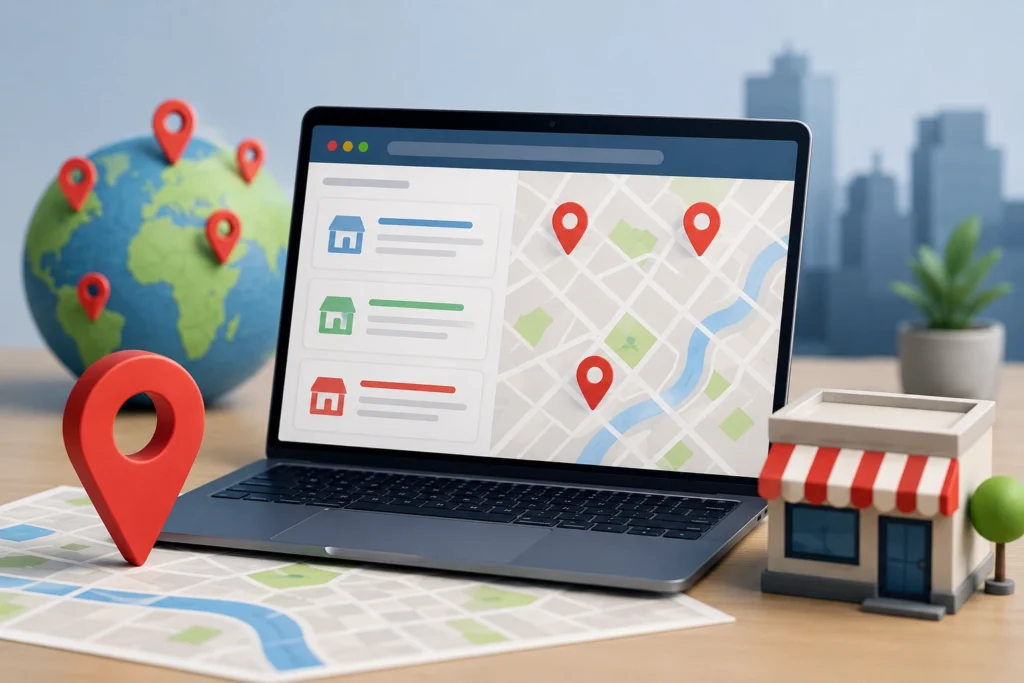
Businesses can rank in multiple cities by creating pages for the places they serve. Local SEO landing pages help search engines understand where a business operates and which products or services it offers within a city, neighborhood, or service region.
These pages are built for location-based searches, including city searches and “near me” searches. They also give users useful information that matches the market they are searching in.
Duplicate Meta Descriptions in SEO: Causes and Fixes

Repeated page summaries do not cause a direct Google penalty. They can still make search snippets less clear and hurt clicks. When the same summary appears on many pages, those pages look too alike. Google may skip that text and write its own snippet in search engine results.
Common causes include CMS templates, product variants, filters, pagination, and copied page versions. To fix them, first find the affected pages. Then write a unique meta description for each key page. SSinvent treats this as a site-quality issue that requires clear checks and simple rules.
SEO for Charities: How to Grow Visibility

Charities increase their visibility by making their websites easier for search engines and users to understand. A strong SEO plan for charities helps donors, volunteers, beneficiaries, and partners find the right pages through organic search rather than paid ads.
The main steps include keyword research, mobile-friendly design, clear donation and program pages, useful content, internal links, and technical SEO fixes.
Divi and SEO: Best Settings, Plugins, and Optimization Tips
Divi can support strong SEO when the site uses a clean structure, clear headings, optimized metadata, schema, internal links, and fast-loading layouts. Divi and SEO work best when the visual builder supports the content strategy instead of creating heavy pages, duplicate headings, or unclear code structure.
SEO for Cybersecurity Companies: A Practical Growth Guide

A practical growth guide for cybersecurity companies should show how search helps buyers find clear answers. These buyers often research risks, tools, frameworks, and vendors before they speak with a provider. SEO for cybersecurity helps security brands rank for high-intent searches, build trust, improve website health, and turn search traffic into qualified leads.
SEO for Coaches: Build Visibility and Attract Better Leads

A coaching website builds visibility and attracts better leads when it ranks for searches tied to real client problems, not just broad service terms. SEO for coaches focuses on improving pages, content, technical structure, and authority so potential clients can find your website through Google when they are problem-aware and looking for support.
Instead of relying solely on referrals or social media, organic search can make your website an always-available path for discovery, education, and inquiries.