
Changing a Domain for SEO Without Losing Rankings or Traffic
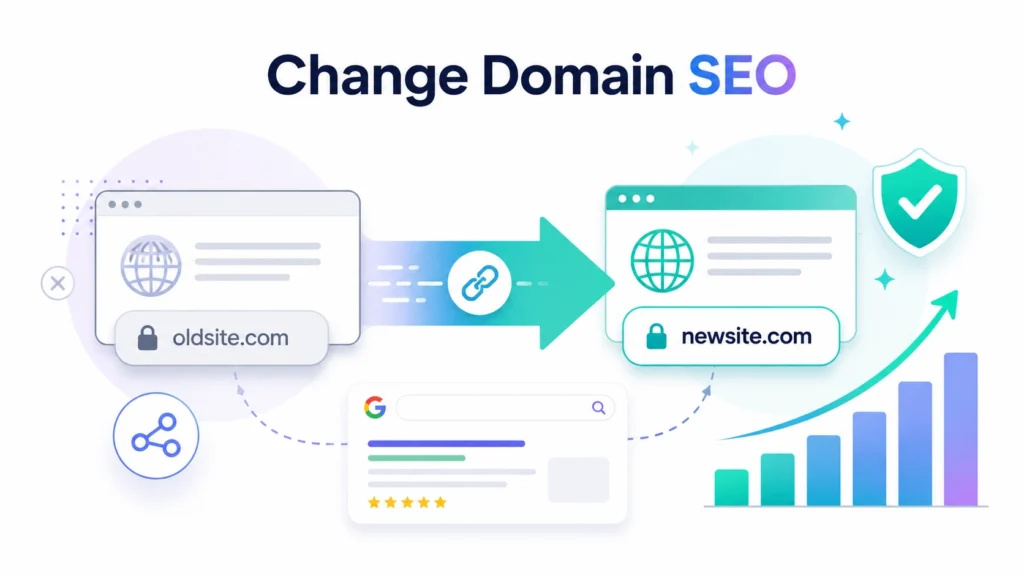
Changing your site’s web address can temporarily disrupt rankings and traffic because search engines must recrawl, reindex, and reassess the new URLs.
To reduce that risk, map each important old URL to the closest matching new URL with a 1:1 301 redirect, preserve key content, update internal links, and monitor indexing after launch. If you need to change a domain for SEO, treat it as a controlled migration rather than a simple address swap.
Cannabis SEO Strategy for Cannabis Brands and Dispensaries

A strong organic search plan helps brands and dispensaries show up when users look for products, stores, answers, or services online. Since many ads face limits on Google, Meta, and social media, organic traffic can play a key role in growth.
This topic requires careful attention to rules, claims, age limits, and local laws. The goal is to attract qualified users without relying on unsupported claims or risky promotions.
Article Submission for SEO: Sites, Strategy, and Benefits

Submitting original, useful content to trusted third-party platforms can support off-page SEO when it focuses on relevance, editorial quality, and reader value. In practice, article submission for SEO helps search engines discover brand mentions, contextual links, and topical signals from external sources.
Its main benefits include high-quality backlinks, stronger brand awareness, referral traffic, and wider content distribution when the chosen sites match your industry and audience.
Monthly SEO Retainer Services for Long-Term Growth
A monthly SEO retainer is a recurring agreement where a business pays a set fee for ongoing Search Engine Optimization work. It often includes technical improvements, keyword research, content updates, link building, performance tracking, and monthly reporting.
At SSinvent, SEO strategies typically range from $1,500 to $3,500 per month, depending on content volume, project complexity, and competition level.
USP for SEO: Meaning, Strategy, Examples, and Tips
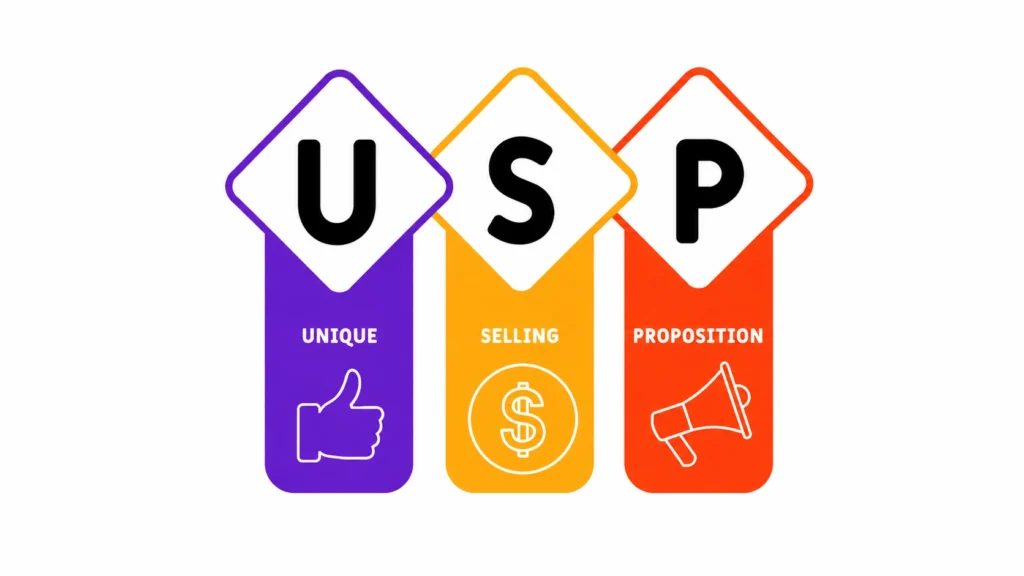
A Unique Selling Proposition (USP) in SEO defines what makes a brand, product, or service different from competitors and turns that difference into clearer search messaging. A strong USP for SEO can improve search visibility, click-through rates, and conversion rates by helping users understand why one result fits their needs better than another.
It can also help turn generic traffic into more qualified visitors by highlighting targeted benefits such as free shipping, higher product quality, stronger customer service, faster delivery, technical expertise, or niche specialization. The strategy works best when the USP connects to keyword intent, page structure, title tags, meta descriptions, landing pages, and useful content.
What Is SEO Testing? A Practical Guide for Better Rankings
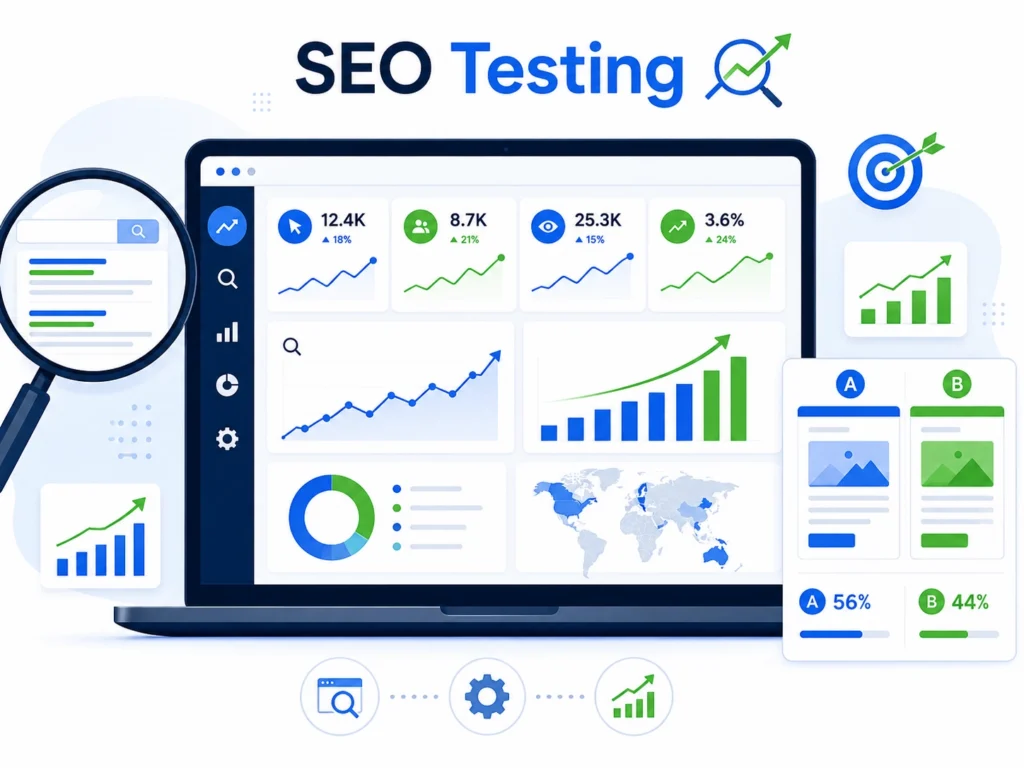
SEO testing is the structured process of making controlled changes to a website and measuring their impact on organic traffic, rankings, clicks, and search visibility. If you want to understand what is SEO testing, think of it as a way to test updates such as title tags, content, meta descriptions, internal links, page layouts, or structured data before applying them more broadly.
It can use A/B testing, split testing, or before-and-after analysis to compare results and reduce guesswork. A practical SEO testing process helps you see whether a change creates a positive or negative effect on performance.
Unethical SEO: Common Practices, Risks, and Safer Strategies

Unethical SEO includes tactics that aim to manipulate search engines rather than help users. These methods include keyword stuffing, buying links, cloaking, and using duplicate content to push pages higher in search results.
They can create quick visibility in the short term, but they violate search engine rules and often lead to penalties such as ranking drops or removal from search results. Over time, these actions damage trust, reduce organic traffic, and weaken a site’s online presence.
How to Build a Strategy for SEO Translated Content
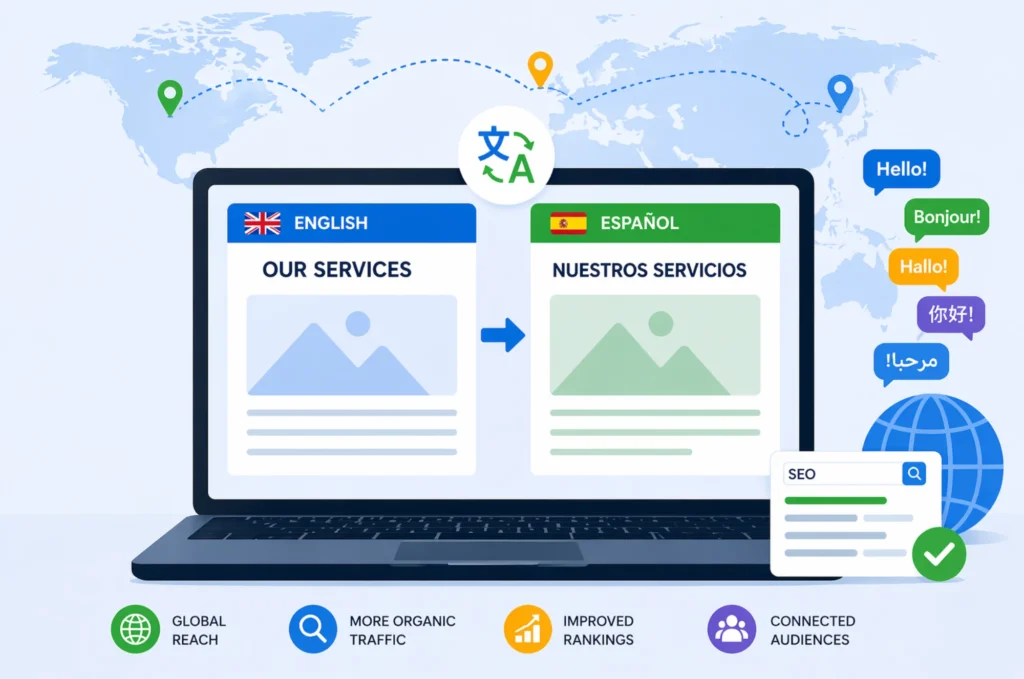
Building a strategy for SEO translated content starts with understanding that translation and optimization are two separate tasks that must happen together.
Unlike standard translation, which only converts meaning from one language to another, a proper SEO approach requires conducting native keyword research in the target language, adapting content structure to local search behavior, and translating every on-page element, including meta tags, URL slugs, and image alt text, using locally validated search terms.
How to Do SEO Without Link Building That Still Ranks
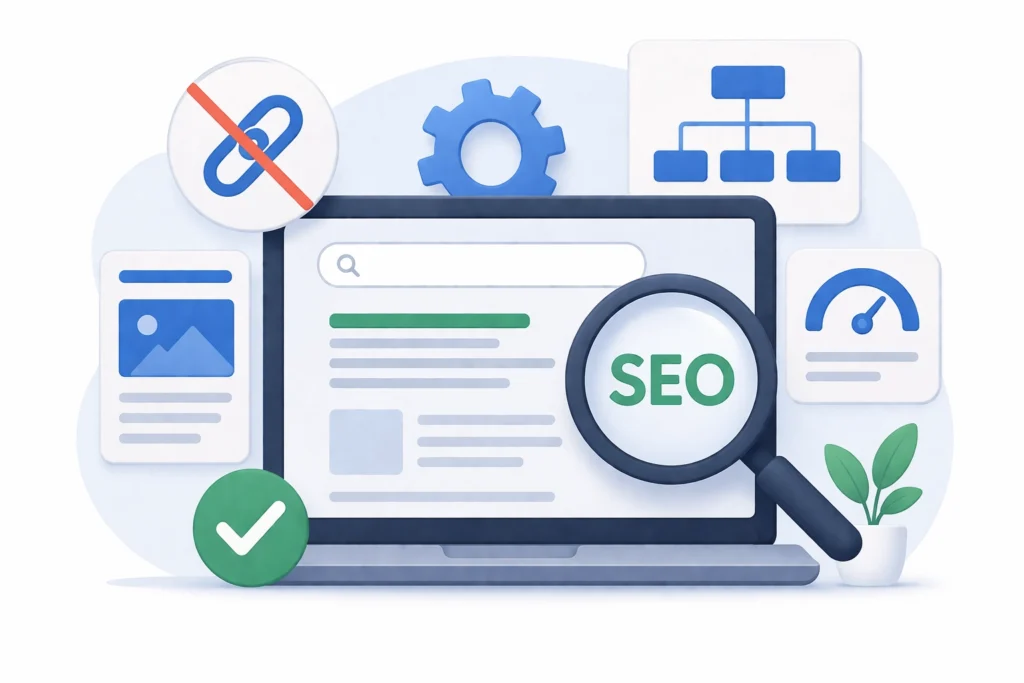
Ranking without backlinks is possible when a page clearly matches what users are looking for. SEO without link building focuses on high-quality content, internal linking, and strong technical foundations to demonstrate relevance to search engines.
This includes clear headings, well-written meta descriptions, and descriptive anchor text that connects related pages. While external backlinks still matter, pages can rank when content depth, user experience, and structure align with search intent.
SEO With React: Optimization Guide for Better Rankings
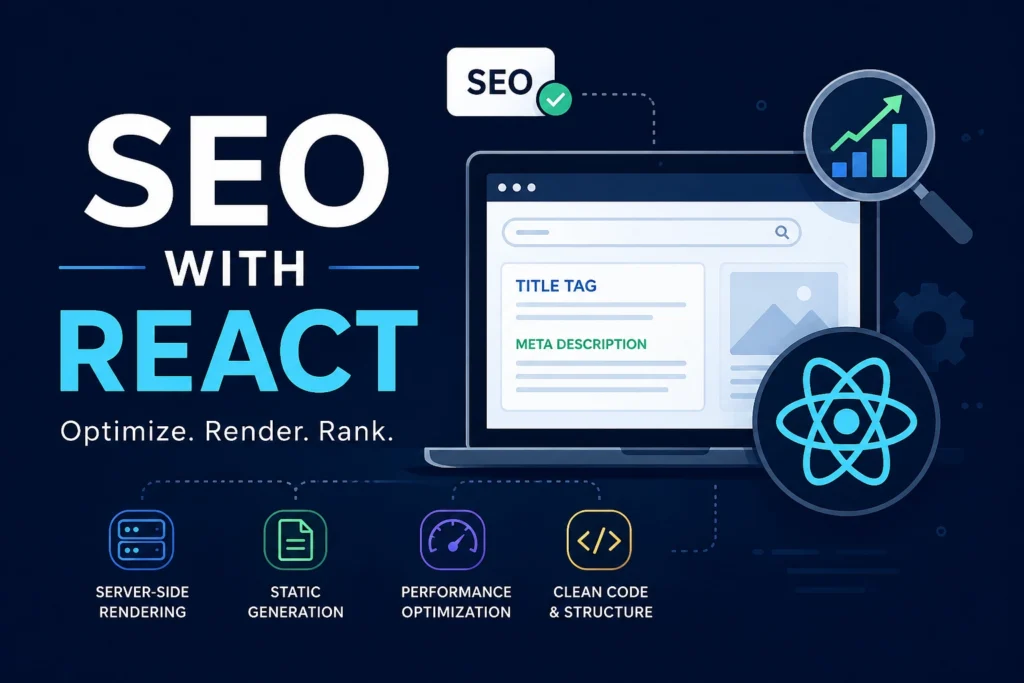
SEO with React can be difficult because many React applications rely on client-side rendering. This means the browser first receives a minimal HTML file, then loads the actual content using JavaScript. Search engine crawlers may not wait or fully process this step, so important content can be missed or indexed late.
To improve this, developers use server-side rendering SSR, static generation, or pre-rendering so that content is ready earlier. This ensures that key elements like text, title tags, and meta name description content are visible during the first crawl. These changes help search engines understand the page and support better search engine optimization.