
Does Blogging Help SEO? Benefits, Strategy, and Results
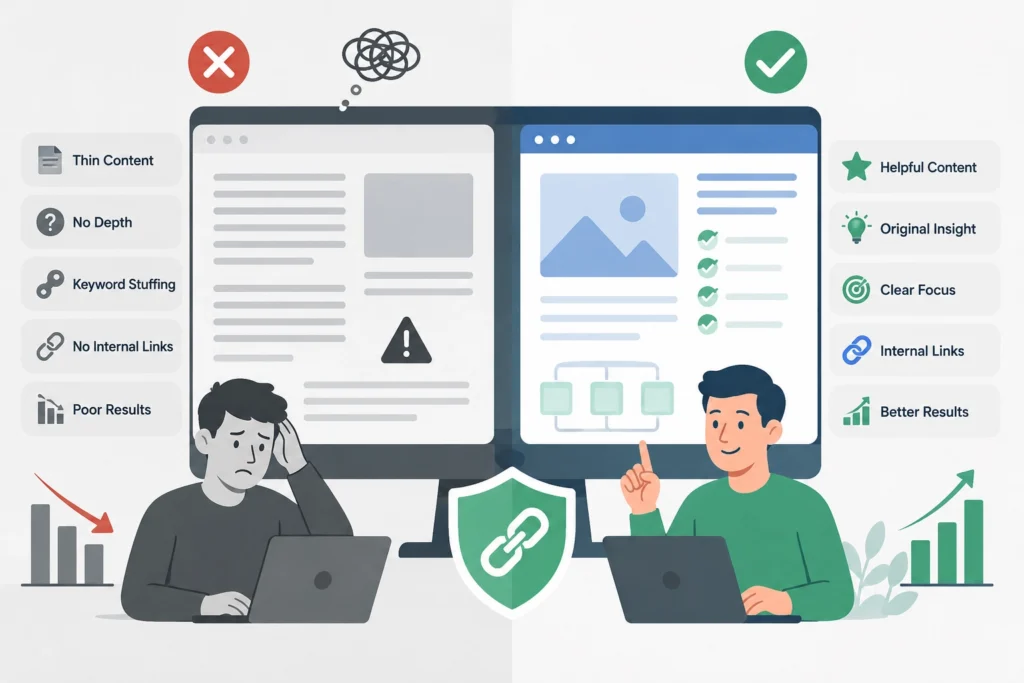
Yes, useful articles can improve search visibility when each page answers a real query. The answer to “Does blogging help SEO?” is not about adding more pages. It is about creating helpful content that supports search engine optimization. Strong blog content can help search systems understand your topics, site structure, and user value.
Directory Listings and SEO: Complete Business Guide
Business profiles on trusted platforms help search engines check a company’s name, address, phone number, website, category, location, and public reputation.
The connection between directory listings and SEO matters most for local search because clear citations help prove that a business is real and active. Accurate profiles can also help customers find a company on Google Maps, review sites, local directories, and search results.
Why Is Having Duplicate Content an Issue for SEO Growth?

Duplicate content can slow SEO growth because search engines may find multiple pages with the same or very similar content and struggle to decide which URL should rank. This can split ranking signals, dilute backlink value, waste crawl budget, and cause Google to show a different page than the one you intended.
That is why having duplicate content is an issue for SEO: it creates a visibility problem, not usually a direct manual penalty. Google often filters out similar pages and selects a single canonical version, which means the other versions may receive little or no organic traffic.
SEO for Books: How Authors Use Search to Reach Readers

SEO for books helps authors reach readers through search. Readers may look for a topic, genre, problem, title, or type of story before they know an author’s name. This work includes keyword research, clear pages, strong titles, book descriptions, metadata, author bios, links, and helpful content.
A strong author SEO plan helps search engines understand who wrote the book, what it covers, and why the page is helpful to the reader.
Carpet Cleaning SEO: How to Rank Higher and Get More Leads

To rank higher and get more leads, carpet cleaning businesses need an online presence that clearly shows Google what they offer, where they work, and why their pages match local intent. Effective carpet cleaning SEO includes service pages, location pages, Google Business Profile optimization, reviews, relevant keywords, technical fixes, and local authority signals.
The goal is to appear when nearby homeowners and businesses search for carpet care, stain removal, rug cleaning, upholstery cleaning, or related services in a specific area.
Angular Website SEO: Best Practices for Search-Friendly Pages

Angular sites can be search-friendly when they serve crawlable content, clear metadata, structured data, and fast page experiences, rather than relying solely on a mostly empty single-page application shell.
Angular website SEO matters because search engines can process JavaScript, but delayed rendering can still make pages harder to crawl, index, and understand.
The strongest setup combines server-side rendering, prerendering, clean URLs, unique titles and descriptions, canonical tags, XML sitemaps, and testing in Google Search Console.
Does Alt Text Help SEO? Best Practices, Examples, and Tips

Yes, image descriptions can improve search visibility by providing search systems with clear text context for visuals. The question “Does alt text help SEO?” has a practical answer: It helps most when the image adds real meaning to the page.
Search systems can analyze visual content, but they still rely on surrounding context, page signals, and textual image details to understand what an image shows. At SSinvent, this element is treated as part of a broader process that also includes technical structure, content quality, and user experience.
Affiliate Links for SEO: Do They Help or Hurt Rankings?

Affiliate links do not directly improve search rankings, but they can support or weaken performance depending on how they are used. The main role of affiliate links for SEO is not to pass authority, but to help users move from useful content to a relevant offer with clear context.
To reduce risk, publishers should disclose affiliate relationships, use attributes such as rel=”sponsored” or rel=”nofollow” when appropriate, and avoid thin pages that exist only to send users elsewhere.
B2B SaaS SEO: Strategy for Traffic, Leads, and Growth
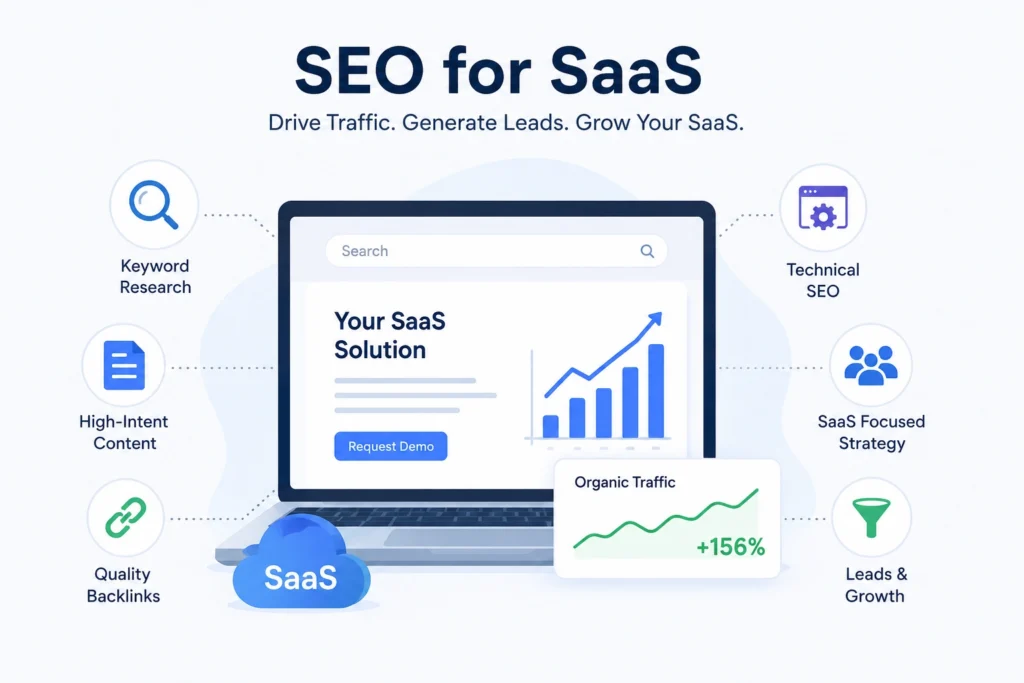
A strong strategy for traffic, leads, and growth starts by matching search intent with the pages business buyers need at each stage of the SaaS sales cycle. B2B SaaS SEO focuses on attracting high-intent organic traffic from decision-makers, then guiding that traffic toward demos, trials, signups, or other qualified actions.
This requires long-tail keyword research, comparison pages, product-led educational content, technical SEO, internal links, and clear conversion paths.
Image Filename SEO: How to Create Better SEO Picture Names

Better SEO picture names are short, descriptive file labels that explain what a visual shows. For image filename SEO, use plain words, add relevant keywords only when they fit the subject, and separate terms with hyphens, such as red-running-shoes.jpg. Avoid generic labels like IMG_1234.jpg, vague names like image1.png, and long keyword-stuffed phrases.