

They can help indirectly when the surrounding content earns organic traffic, keeps users engaged, and answers search intent better than competing pages. They can hurt when links are excessive, poorly labeled, irrelevant, or placed inside low-value content copied from merchants. At SSinvent, this topic is treated as a content quality, technical SEO, and trust issue rather than a ranking shortcut.
Key Takeaways
- Affiliate links do not directly improve rankings, but they can support SEO when they appear in useful, well-structured content.
- Proper attributes like rel=”sponsored” or rel=”nofollow” help clarify commercial relationships and reduce link-related risk.
- Thin affiliate pages, copied merchant descriptions, excessive links, and hidden disclosures can weaken trust and search performance.
- Strong affiliate SEO depends on search intent, quality content, clear disclosures, relevant links, and a good user experience.
- Tools like Google Analytics and Google Search Console can help track organic traffic, engagement, and technical issues that affect affiliate pages.
Do Affiliate Links Help or Hurt SEO?
Affiliate links are not good or bad by default. They are tracked links that direct users to a merchant, software provider, or product page, often because the publisher earns a commission when a user makes a purchase or signs up. Search engines evaluate the full page, not only the link itself.
A page can perform well when it provides useful information, fairly compares options, and helps users make a clear decision. A page can struggle when it promotes affiliate products through shallow content, excessive links, weak disclosures, or copied product descriptions. The key question is whether the page deserves visibility beyond its commercial purpose.
When Affiliate Links Support SEO
Affiliate links can boost performance when they appear within high-quality content that solves a real search problem. For example, a software comparison page can help users compare pricing, features, limits, and ideal use cases before choosing a tool. The link supports the user journey rather than serving as the page’s sole purpose.
This can increase engagement, improve conversion rates, and help users move from research to action. Strong affiliate pages often attract organic traffic because they answer questions better than a basic product page. They also use clear formatting, useful examples, and honest context.
When Affiliate Links Create Risk
Risk increases when a page exists only to push users toward commercial offers. Search engines may view this as thin affiliate content when the page adds little value beyond a merchant’s existing information. This can impact SEO because users do not receive enough original value.
Risk also increases when links are hidden, mislabeled, irrelevant, or placed in ways that undermine trust. A page with too many outbound links can feel cluttered and hard to use. Poor experience can reduce engagement and make the content less helpful.
Is Affiliate Marketing SEO?
It is not the same as SEO. Affiliate marketing is a revenue model in which a publisher promotes products or services and earns a commission on tracked referrals. Search engine optimization is a traffic strategy that helps pages appear in search results.
The two can work together when a publisher uses search visibility to reach users with informational, commercial, or transactional intent. A blog post about the best project management tools, for example, may use tracked links after explaining which tool fits each type of user. The revenue model depends on referrals, but the traffic may come from search.
Affiliate SEO vs. Affiliate Marketing
SEO for affiliate marketing helps affiliate pages appear in relevant search results. It includes keyword research, content planning, internal linking, technical checks, performance measurement, and a working understanding of core SEO vocabulary. The goal is to connect useful pages with users who are already looking for related information.
Affiliate marketing is broader. It may include email, paid ads, social media, influencer partnerships, and direct traffic. SEO is only one channel inside that larger model.
How Google Treats Affiliate Links
Google does not ban these links. The main concern is whether the page provides real value and whether commercial links use proper attributes. A page can include tracked links and still be useful if it provides original information, a clear evaluation, and honest context.
Search engines also evaluate a page’s purpose, which is why SEO testing can help publishers compare how content changes affect visibility, engagement, and search performance. If the main purpose is to help users, the content has a stronger foundation. If the main purpose is to send users elsewhere without adding value, the page may struggle to earn trust.
Sponsored and Nofollow Tags
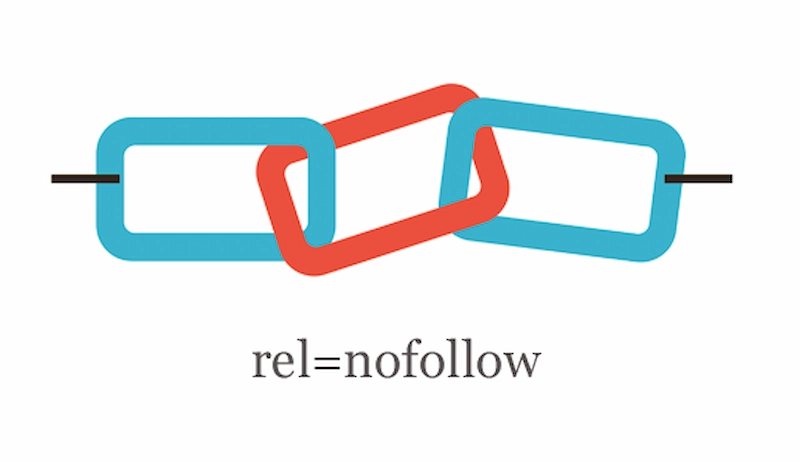
Commercial or paid links should use proper link attributes. The rel=”sponsored” attribute helps identify links created as part of advertising, sponsorships, or affiliate relationships. The rel=”nofollow” attribute can also signal that the publisher does not want to pass ranking credit through that link.
These attributes help clarify the nature of the relationship. They do not replace good content or clear disclosures. They are part of technical compliance, not a complete search strategy.
Link Equity and Ranking Signals
Affiliate links should not be used to pass link equity to commercial partners. Search engines want ranking signals to reflect genuine editorial value, not compensation or tracking relationships. This is why sponsored and nofollow attributes matter.
A page can still gain visibility through its own relevance and usefulness. The value comes from the content, structure, expertise, and user satisfaction. The tracked link is not the ranking asset on its own.
How to Use SEO for Affiliate Marketing
Learning how to use this approach starts with search intent. You need to understand what the user wants before you create content. A person searching for “best CRM for freelancers” needs a different page than someone searching for “what is CRM software.”
SEO strategies for affiliate projects should align keywords, content types, and the user decision stage, and use clear SEO metrics to measure traffic, rankings, engagement, and conversions. Informational topics build trust and visibility. Commercial topics help users compare options and move closer to a decision.
Match Keywords to Search Intent
Keyword intent should guide the format of each page. Informational keywords often work well as guides, tutorials, and explanations. Commercial keywords often work better as reviews, comparisons, and product roundups.
A strong landing page should not try to answer every possible query. It should focus on one clear purpose and support that purpose with useful details. This makes the page easier for users and search systems to understand.
Create Helpful Affiliate Content
To create content that performs, start with the user’s problem. Explain the options, show the differences between them, and include the limits of each choice. Avoid turning every paragraph into a reason to click.
Helpful affiliate content often includes a simple decision framework and a clear, unique selling proposition that explains why one option fits a specific user better than another.
You can explain which tool works best for beginners, which one fits larger teams, and which one offers stronger reporting. This turns the page into a useful resource instead of a list of links.
Affiliate Links SEO Best Practices
Best practices focus on clarity, usefulness, and technical cleanliness. A good page makes the commercial relationship clear and still gives users enough information to make an informed decision. It should not hide intent or overload the reader.
Best practices also protect the page from looking manipulative. The content should stand on its own even if every commercial link were removed. This is a useful test for quality and trust.
Use Clear Anchor Text
Anchor text should tell users what they will find when they click. Phrases like “compare pricing,” “view the product,” or “check current plans” are clearer than vague anchors like “click here.” Clear anchors also make the page easier to scan.
Avoid stuffing keywords into every link. Repeated exact-match anchors can make the content feel unnatural. Use plain language that matches the sentence and user action.
Keep Links Relevant
Every link should match the page’s topic. A guide about email marketing software should not include unrelated links to tools that do not solve the same problem. Relevance supports trust and keeps the user experience clean.
Relevant links also improve the quality of the recommendation. Users can tell when a page is built around real decision support. They can also tell when a page is built solely to drive traffic to any paying offer.
Affiliate Links SEO Examples
These links can be helpful when they appear in content that gives users enough context before they click. For example, a page comparing email marketing tools might explain that one platform is better for beginners, another for automation, and another for large teams. The links make sense because they support a clear decision.
Product Reviews
A product review might say: “Tool A is useful for small teams that need simple reporting, but it may feel limited for agencies that manage many clients.” After that explanation, a link to view Tool A’s pricing makes sense, as the reader now understands the fit and limitations.
A weak review would only say: “Tool A is the best email marketing software. Click here to buy.” That gives no evidence, no comparison, and no reason to trust the recommendation.
Comparison Pages
A comparison page might show that Tool A has lower pricing, Tool B has stronger automation, and Tool C has better customer support. Each link should appear near the product it describes, not repeated after every paragraph.
For example, a “Tool A vs. Tool B” page could link to both products after explaining who should choose each one. This helps the reader act on the comparison without feeling pushed.
SEO Tools Affiliate Program Pages
A program page might explain that a keyword research tool is well-suited for bloggers, agencies, and niche site owners. It could then show the commission structure, cookie window, payout rules, and ideal audience before adding the referral link.
A stronger example would also explain when not to promote the tool. For instance, if the platform is too advanced for beginners, the page should say that clearly.
Build Trust with Affiliate Content
Trust is central in this situation. Users need to know why a recommendation exists, who created it, and whether the page gives balanced information. Clear trust signals help users judge the content more easily.
Trust does not come from saying a page is unbiased. It comes from a transparent structure, specific details, and useful explanations. If the content helps users understand the choice, it becomes easier to trust.
Add Clear Disclosures
A disclosure tells users that the publisher may earn money from certain links. This should appear in a visible place, not hidden at the bottom of the page. The language should be simple and direct.
A clear disclosure does not weaken the content. It helps users understand the relationship behind the link. It also supports ethical publishing and better user trust.
Show First-Hand Experience
First-hand experience can make the content stronger. This may include screenshots, testing notes, setup steps, use cases, or examples from actual product use. These details help separate original content from repeated product summaries.
Experience should be specific. Saying “this tool is easy to use” is less useful than explaining what made the setup simple. Specific observations make the content more helpful and easier to evaluate.
Common Affiliate SEO Mistakes
Common mistakes often come from focusing too much on monetization and too little on usefulness. A page can have strong keyword targeting but still fail if it does not answer the user’s question well. Search performance depends on more than placing terms in headings.
Affiliate content should be written for a real decision process. Users want clarity, context, and confidence. They do not want a page that sends them through links before explaining the options.
Copying Merchant Descriptions
Copied product descriptions create weak content. They do not add any original value and often appear on many websites. This makes it harder for the page to stand out in search results.
A better page explains the product in the publisher’s own words. It can include examples, use cases, and practical notes. The original explanation is more useful than repeated sales copy.
Ignoring User Experience
User experience affects how people interact with a page. Slow loading, cluttered layouts, intrusive pop-ups, and confusing tables can make good information hard to use. This can hurt engagement and reduce trust.
Tools like Google Analytics and Google Search Console can help identify problems such as:
- Pages with low engagement or short visit duration
- Queries that bring traffic but fail to drive clicks
- Indexing issues that limit visibility
- Slow pages that may frustrate users
- Content sections that do not support clear navigation
These tools do not replace editorial judgment, but they help guide improvements. A strong page should load quickly, present links clearly, and make the next step easy to understand.

How SSinvent Can Help
SSinvent can support affiliate-focused websites by reviewing technical SEO, content quality, internal linking, user experience, and backlink strategy. Rodrigo César and Christopher Cáceres lead technical SEO, content marketing, strategic backlinks, and web development work for businesses that need qualified traffic, conversions, and global visibility.
The goal is to understand how affiliate pages are structured and where quality or technical issues may limit performance.
Technical SEO Audits
A technical audit checks crawlability, indexation, redirects, page speed, structured data, and internal link paths. For affiliate sites, it can also review tracking links, JavaScript behavior, and redirect chains. These checks help confirm that search engines can access and understand the page.
Content and UX Improvements
Content and UX reviews focus on usefulness, clarity, and organization. This includes evaluating headings, tables, product summaries, disclosures, and calls to action. A strong page should be easy to read and useful before the user clicks any commercial link.
Strategic Backlink Support
Strategic backlink support focuses on relevant authority, not random link volume. Strong link building should connect a website to credible, relevant sources. For affiliate content, this works best when the page already provides enough value to deserve references from other sites.
If your affiliate pages are not performing as expected, SSinvent can help you identify what is holding them back. Consult our team to review your current strategy and define a clearer path for long-term growth.