

A strong plan connects user intent with trusted information. It helps brands organize condition pages, drug details, HCP resources, blog posts, structured data, and tracking around clear search needs. SSinvent approaches this work through technical search, content marketing, strategic backlinks, and web development for regulated search topics.
Key Takeaways
- Pharmaceutical SEO helps healthcare websites improve search visibility while keeping medical accuracy, E-E-A-T, and regulatory compliance in place.
- Content should separate patient and HCP intent because each audience searches differently and needs a different level of detail.
- Strong results depend on technical search work, compliant content, structured data, user experience, expert review, and trusted sources working together.
- Search performance should be measured over the long term through organic traffic, keyword rankings, engagement, and lead conversions.
- A pharmaceutical SEO company should understand search strategy, regulated content workflows, technical site health, and clear reporting.
What Is SEO in the Pharmaceutical Industry?
SEO in the pharmaceutical industry means improving how drug-related websites appear in search results for relevant search queries. It includes technical site fixes, content quality, site speed, internal links, structured data, and clear page layout.
This work must also follow compliance rules. A pharmaceutical brand cannot use the same content style as a lifestyle brand because medical claims, drug details, and patient education need careful review.
Why Search Visibility Matters
Drug brands need search visibility because patients, caregivers, and healthcare professionals often research health topics online, often starting with local SEO questions when location or access matters. A strong online presence helps users find clear, accurate content rather than weak or confusing sources.
Search also supports a broader marketing strategy. It helps teams see what users need, which topics matter, and how different audiences move from basic research to deeper review.
Patient and HCP Search Behavior
Patients often search for information on symptoms, treatment options, side effects, support resources, and condition education. Their searches often start broad, then become more specific.
Healthcare professionals search for clinical data, prescribing details, safety facts, and peer-reviewed resources. These paths need separate content types and clear page intent.

Compliance and Trust Challenges
Regulated healthcare content must be clear and accurate. Pages need to explain hard topics without making unsupported claims or creating safety risks.
Trust also depends on source quality. Content should show who reviewed it, where the information came from, and when it was last updated.
Core Pharmaceutical SEO Services
Core pharmaceutical SEO services include technical fixes, content planning, authority building, local visibility, and tracking. These areas work together because rankings depend on both page quality and site health.
A strong plan should define audiences, map intent, and give each page a clear role. This helps users and search engines understand the purpose of each page.
1. Technical Site Optimization
Technical work helps search engines crawl, index, and understand a website. It includes site speed, mobile use, redirects, canonicals, XML sitemaps, crawl paths, and page errors.
For large healthcare sites, technical structure matters, especially when teams build local SEO landing pages for offices, regions, or service areas. These sites often include many product, condition, resource, and compliance pages.
2. On-Page Optimization
On-page work improves each page. It includes title tags, headings, internal links, image alt text, body copy, and the meta description.
Each page should answer one clear intent. A condition page, product page, and resource page should not compete for the same query.
3. Off-Page Authority Building
Off-page work focuses on signals outside the website. This includes strategic backlinks, digital PR, citations, and mentions from credible sources.
For regulated medical brands, link quality matters more than link volume. Links from trusted medical, scientific, or industry sources carry more value than generic links.
4. Keyword Research
Keyword research shows how users search for information. It should include patient terms, HCP terms, branded terms, disease topics, and support questions.
A good keyword strategy separates informational, commercial, branded, and navigational intent. This helps teams match each keyword with the right page type.
5. Content Strategy
Content strategy turns topics into a clear plan. It may include condition pages, FAQs, resource hubs, glossary pages, and educational blog posts.
The goal is not to publish more content just to have more pages. The goal is to answer useful questions with accurate, reviewed information.
6. Structured Data and AI Search
Structured data helps search engines understand page content. It can support FAQs, articles, medical entities, organizations, breadcrumbs, and other page parts.
AI search makes structure even more important. Search systems need clear headings, direct answers, trusted sources, and organized page data.
7. User Experience
User experience affects how easily visitors can read and move through a site. Clear menus, simple copy, fast pages, and clean layouts help users find information.
This matters in healthcare because confusion can create risk. A page should guide the reader without hiding safety details or required information.
Search Statistics to Consider
Search behavior shows why accurate healthcare content matters. Pew Research found that 72% of adult internet users searched for health information online, with diseases and treatments among the most common topics.
Google has also said that health-related searches make up a meaningful share of search activity. Becker’s Hospital Review reported that about 7% of Google’s daily searches were health-related, based on comments from Google Health leadership.
Is SEO Evolving in 2026?
SEO is not dead in 2026. It is changing because search engines now focus more on helpfulness, expertise, technical quality, and user experience.
For the pharma industry, this raises the bar. Thin content, vague claims, and keyword stuffing are less useful than clear pages that answer real questions with reviewed information.
Regulated Search Checklist
A search program should start with clear page intent. Each page should serve one audience, one topic, and one search goal.
Key steps include:
- Map keywords by patient, HCP, and branded intent.
- Check crawlability and indexing.
- Write clear title tags and meta descriptions.
- Add structured data where useful.
- Build internal links between related pages.
- Use expert review for medical content.
- Cite reliable sources.
- Track rankings, traffic, and conversions over time.
E-E-A-T for Healthcare Websites
E-E-A-T stands for experience, expertise, authoritativeness, and trustworthiness. For healthcare websites, trust is crucial because content can influence health choices.
Strong E-E-A-T comes from accurate writing, expert review, clear sources, and clear editorial rules. It also depends on keeping pages up to date when labels, guidance, or rules change.
Medical Accuracy
Medical accuracy starts with careful wording. Content should define terms, avoid unsupported claims, and explain limits when evidence is not complete.
Teams should also separate education from promotion. This keeps the page useful and lowers confusion for readers.
Expert Review and Sources
Expert review helps users trust the information. Reviewers may include medical, regulatory, legal, or scientific professionals based on the content type.
Rodrigo César and Christopher Cáceres can contribute technical search expertise within this process. Medical and regulatory accuracy should still come from qualified subject-matter reviewers.
Source signals should also be clear. Pages should cite official labels, peer-reviewed research, regulatory sources, or company-approved materials when they support medical or safety information.
Content for Healthcare Audiences
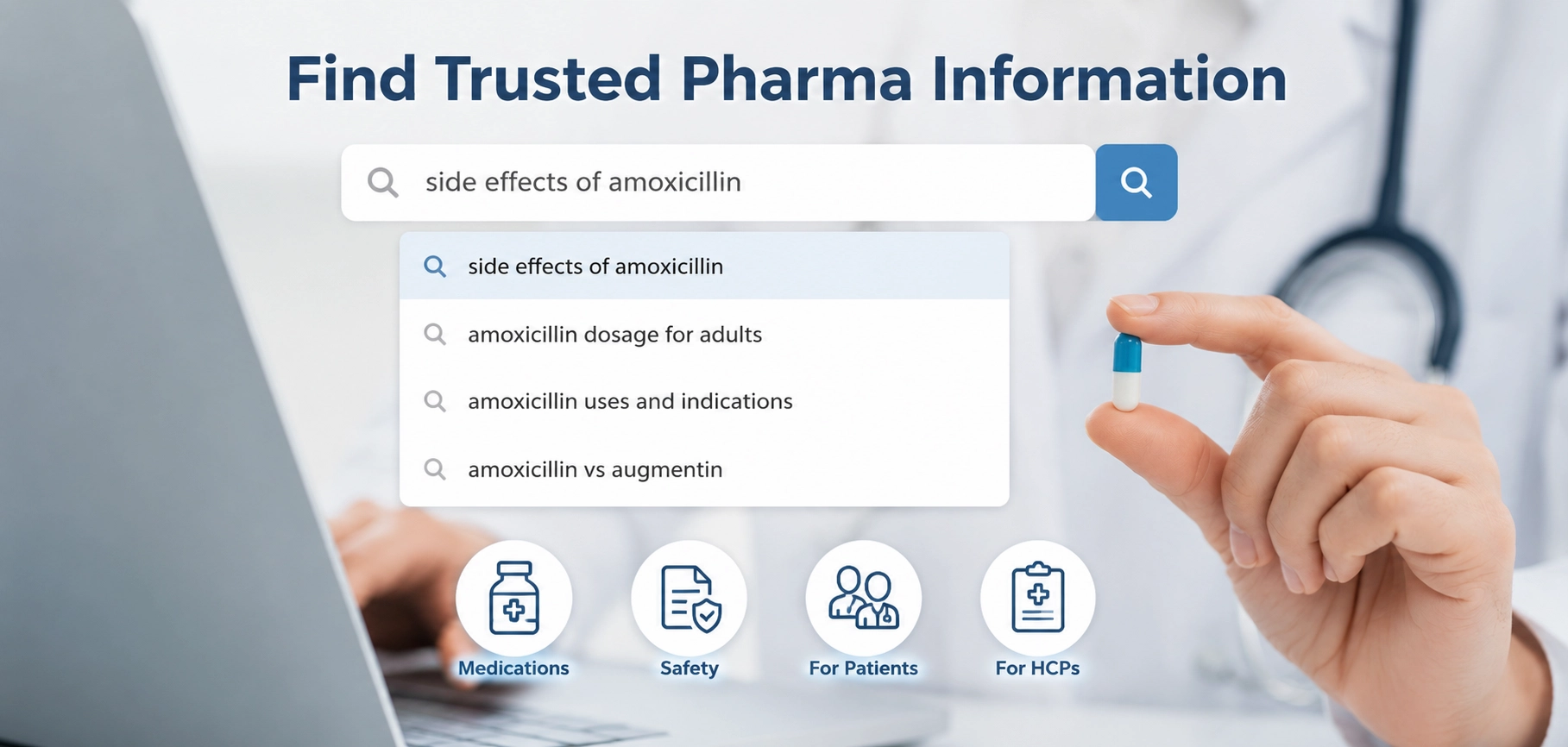
Content should match the audience. Patients need clear explanations, while healthcare professionals often need more technical detail.
A useful content plan separates these needs. This helps each page serve one main purpose and reduces confusion.
Patient Education Pages
Patient education pages should use plain language. They can explain conditions, treatment discussions, safety topics, support programs, and questions to ask a healthcare provider.
These pages should not replace medical advice. They should help users understand information and prepare for informed talks.
HCP Resource Pages
HCP resource pages can include clinical details, prescribing information, study summaries, mechanism details, and professional tools. The tone can be more technical because the audience has medical training.
These pages should still stay organized. Clear headings, tables, and summaries help professionals find information faster.
Drug Information Content
Drug information content needs extra care. It may include uses, risks, safety details, dosage information, warnings, and patient support resources.
Accuracy and context matter. The page should avoid wording that overstates benefits or downplays risks.
Measuring Search Results
Measurement shows whether the plan supports search visibility and user needs. Common metrics include organic traffic, ranking changes, engagement, conversions, and technical health.
Teams should track results over the long term because ongoing SEO depends on crawl cycles, content updates, authority, and steady technical improvements. Search growth often depends on crawl cycles, content age, authority, and ongoing updates.
Organic Traffic and Rankings
Organic traffic shows how many users visit from unpaid search results. Keyword rankings show where pages appear for target terms.
These metrics work best together. A good report reviews landing pages, audience groups, query intent, and ranking patterns instead of daily changes alone.
Lead Conversions
Lead conversions show whether users take useful actions, which is why some teams compare organic tracking with pay-per-lead SEO models when reviewing performance. These may include form fills, resource downloads, contact requests, or professional inquiries.
For regulated healthcare sites, including sectors like medical spa SEO, conversion tracking should respect privacy, compliance rules, and platform limits. Measurement should never collect more personal health information than needed.
Choosing a Pharmaceutical SEO Company
A pharmaceutical SEO company should understand both search strategy and regulated content. The right partner should clearly explain the process, risks, review needs, and reports.
Selection should focus on fit, not broad promises. Life sciences teams need a provider that can work with medical, legal, regulatory, and marketing teams.
Industry Experience
Industry experience helps teams avoid common content and compliance mistakes. A provider should understand patient journeys, HCP journeys, content review cycles, and regulatory limits.
Experience also helps with page planning. The same keyword may need different content based on the audience and context.
Technical Strength and Reporting
Technical strength matters because many healthcare sites are large and complex. A provider should understand crawlability, indexing, site structure, speed, and structured data.
Reporting should explain what changed, why it changed, and what comes next. Clear reports connect traffic, rankings, content updates, and technical fixes.
How SSinvent Supports Pharma SEO
SSinvent supports pharma SEO through technical audits, content marketing, strategic backlinks, UX improvements, and web development. The work can help pharmaceutical websites become easier to crawl, easier to read, and easier to organize around user intent.
For regulated topics, the process should include clear keyword mapping, careful content planning, and review workflows that respect compliance needs. This creates a practical base for search visibility without relying on claims, shortcuts, or unsupported guarantees.