


This work matters because algorithm updates, competitors, and user search behavior change over time. A page that ranks well today can lose visibility if it becomes outdated, slow, hard to use, or less helpful than competing results. SSinvent, based in Austin, approaches long-term search work through technical optimization, content marketing, strategic backlinks, and web development.
Key Takeaways
- Ongoing SEO is the continuous process of maintaining and improving a website to keep it relevant, crawlable, and useful in search results.
- SEO maintenance includes technical checks, content updates, keyword tracking, internal linking, backlink review, UX improvements, and performance reporting.
- Search performance can change due to algorithm updates, competitors, technical issues, and outdated content, which affect how pages appear in search results.
- Businesses should review search performance weekly, monthly, and quarterly depending on site size, competition, and the value of organic traffic.
- A strong maintenance process uses data to prioritize fixes, measure results, and avoid reacting to normal ranking fluctuations.
Ongoing SEO Meaning
This process means regular work that helps a website stay aligned with user intent, search engine rules, and business goals. It supports web pages by keeping content useful, technical access clean, and search signals clear. The goal is to improve visibility on search engines without treating rankings as fixed or guaranteed.
Search engines like Google review many signals when deciding how pages appear in search engine results pages. These signals can include content relevance, links, crawlability, page experience, and technical quality. A search engine’s algorithm changes over time, so SEO efforts need regular review.
What Is Search Optimization in Simple Terms?
This term refers to improving a website so that search engines can find, understand, and rank its pages for relevant searches. A keyword is a word or phrase users type into search, such as “SEO maintenance” or “local seo.” Good keyword research helps connect targeted keywords to pages that clearly answer those searches.
Why Continued Search Work Matters
Search is not static. Competitors publish new content, Google releases algorithm updates, and user expectations shift. A site that does not change can lose search engine rankings even if it performed well before.
Content also becomes outdated. Businesses should regularly update important pages, service descriptions, blog posts, examples, and technical details. This helps keep the website accurate and aligned with current search intent.
Technical issues can also appear after redesigns, plugin updates, migrations, or hosting changes. Common problems include broken links, redirect chains, missing metadata, slow-loading pages, and poor mobile-friendly performance. Core Web Vitals should be reviewed because speed, layout stability, and responsiveness can affect the user experience.
What SEO Maintenance Includes
This approach includes technical checks, on-page improvements, content updates, and off-page authority review. Each area supports a different part of search visibility, from crawlability to content relevance and backlink quality.
- Technical checks: Review crawlability, indexing, site speed, and redirects, and ensure your website is correctly indexed and accessible to search engines.
- On-page improvements: Update headings, titles, internal links, image alt text, and meta descriptions to make each page easier to understand.
- Content updates: Improve usefulness, coverage, and clarity through keyword research, content refreshes, new blog posts, content pruning, and search intent checks, especially when aligning SEO and content marketing with user needs.
- Off-page authority review: Review backlink quality, authority signals, and the relevance of external links to the website’s subject, including cases where content syndication SEO may affect how content appears across different platforms.

Keyword Cannibalization and Content Pruning
Keyword cannibalization happens when two or more pages target the same keyword or search intent. This can make it harder for search engines to decide which page should rank. A maintenance review may merge pages, redirect weak URLs, or adjust the focus of similar content.
Content pruning involves reviewing old, weak, duplicate, or outdated pages, especially when duplicate content is an SEO issue across similar URLs. Some pages may need updates, while others may need to be merged, redirected, noindexed, or removed. The decision should be based on traffic, backlinks, conversions, search intent, and content quality.
How Often Should This Work Be Done?
Search work should be reviewed weekly, monthly, and quarterly depending on site size, competition, and business goals. Weekly checks can focus on major traffic drops, indexing issues, ranking shifts, and form problems. Monthly maintenance can include updating content, improving internal links, fixing technical issues, and reviewing keyword movement.
Quarterly reviews should address broader strategic questions. This may include competitor changes, content gaps, backlink quality, conversion performance, and local seo visibility. A business with many service pages, location pages, or ecommerce pages may need more frequent review.
Local Search Maintenance
Local SEO maintenance helps businesses stay visible for searches tied to a city, service area, or nearby intent. This can include Google Business Profile updates, local citations, reviews, location pages, and map-related search performance. Business name, address, phone number, hours, services, and website links should stay consistent across important platforms.
How to Measure Search Progress
Measurement should include both search metrics and business metrics. Useful indicators include organic traffic, keyword rankings, indexed pages, leads, calls, form submissions, sales, and conversion quality. Traffic alone does not show whether search work is helping the business.
Google Search Console can show queries, impressions, clicks, indexing issues, and technical alerts. Google Analytics 4 can show user behavior and conversions. Screaming Frog, Semrush, and Ahrefs can support crawling, backlink review, competitor research, and ranking tracking.
Maintenance Checklist
A practical monthly checklist can include:
- Review organic traffic and top landing pages.
- Check keyword rankings for priority topics.
- Review indexing issues in Google Search Console.
- Update outdated pages or blog posts.
- Improve internal links to priority pages.
- Review meta titles and meta descriptions.
- Check broken links, redirects, and crawl errors.
- Review Core Web Vitals and slow-loading pages.
- Monitor new and lost backlinks.
- Track leads, calls, forms, or sales from organic traffic.
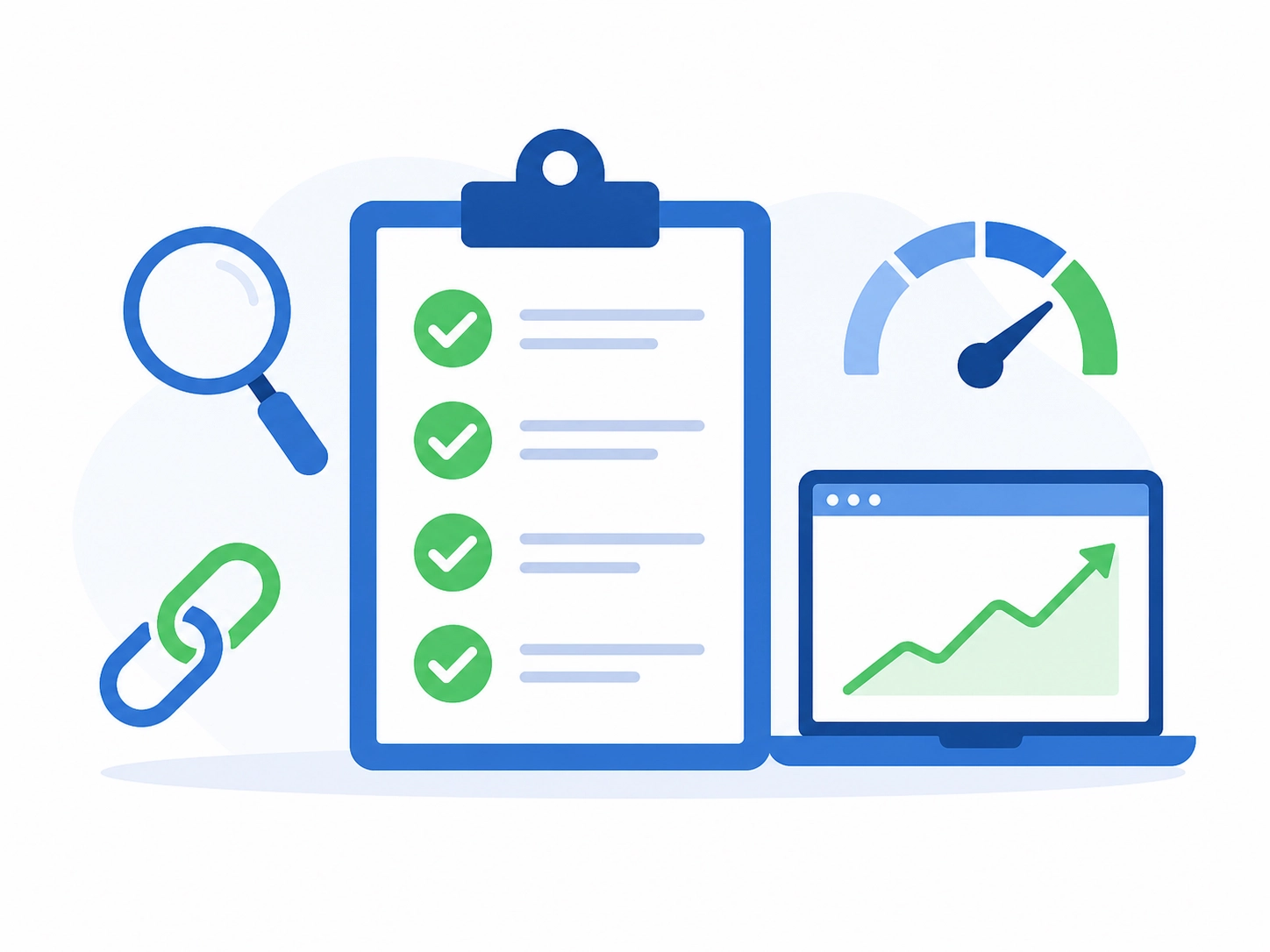
This checklist should support decisions, not create busy work. Each task should connect to a clear issue, opportunity, or business goal. If a task does not improve clarity, access, relevance, or measurement, it may not need priority.
What Happens If Search Work Stops?
If search work stops, results may stay stable for a while, but risk increases over time. Rankings can drop when competitors improve, content gets outdated, or technical issues block crawling and indexing. Traffic can also decline when titles, descriptions, and pages no longer match user expectations.
Restarting SEO maintenance should begin with a focused audit. The team should review traffic drops, keyword losses, indexed pages, technical errors, and high-value content. After urgent issues are fixed, the site should return to a realistic monthly maintenance schedule.
Realistic Expectations
Search results take time because search engines need to crawl, evaluate, and compare pages. No ethical process can guarantee exact rankings because search systems use many signals. A strong process focuses on useful content, technical quality, clear measurement, and steady improvement.
How SSinvent Approaches Long-Term Search Work
At SSinvent, Rodrigo César and Christopher Cáceres work across technical optimization, content strategy, backlinks, and web development as subject-matter professionals. Their approach connects website health, content relevance, user experience, and authority signals. This matters because search performance rarely depends on one isolated task.