
A well-designed intake form also supports better decisions during the engagement. The answers can guide keyword research, technical audits, content planning, measurement, and communication while helping both parties understand priorities and responsibilities.
At organizations such as SSinvent, a structured intake process can help teams document important business information early.
Key Takeaways
- An intake form helps agencies collect business goals, audience details, website access, analytics data, and reporting needs before strategy work begins.
- The best forms group questions by topic, including revenue goals, target buyers, competitors, current marketing, technical access, content workflow, and KPIs.
- Questionnaire answers should guide research, not replace it. Agencies still need audits, analytics review, crawl data, and keyword research to validate the information.
- A strong onboarding form should include practical questions about decision-makers, approvals, customer objections, lead quality, and past SEO work.
- Customizing the form by project size helps keep onboarding clear, useful, and easier for the client to complete.
What This Intake Form Covers
A structured discovery form is a set of questions used during the early stages of a working relationship. It helps collect business, website, analytics, and marketing details before deeper research begins. The answers give a team the context needed to assess priorities, risks, and constraints.
Some seo agencies use it before the first call, while others use it after a proposal is approved. In both cases, the purpose stays the same: to gather reliable information before making decisions. This creates a clearer starting point for strategy, execution, and reporting.
Why Agencies Use Structured Discovery
Agencies use an SEO questionnaire to understand the client’s business, current visibility, and internal processes. This helps avoid assumptions about goals, audiences, competitors, and available resources. It also helps compare client expectations with data from Google Analytics, Google Search Console, keyword research, and technical checks.
Rodrigo César and Christopher Cáceres approach this discovery stage as a validation process supported by SEO data science. The answers help frame the first review, but the data confirms what needs attention. This balance supports a more accurate SEO strategy by connecting business context with technical evidence.
When to Send the Form
The best time to send the form is before strategy work begins. Many teams send it after the first discovery call, once the scope is clear. Others send a shorter version before the call to guide the conversation.
The timing should support the onboarding process without creating extra friction. If the form is too long too early, the person completing it may rush through the answers. A better approach is to ask core questions first, then request deeper access and data when needed.

Client Onboarding Template
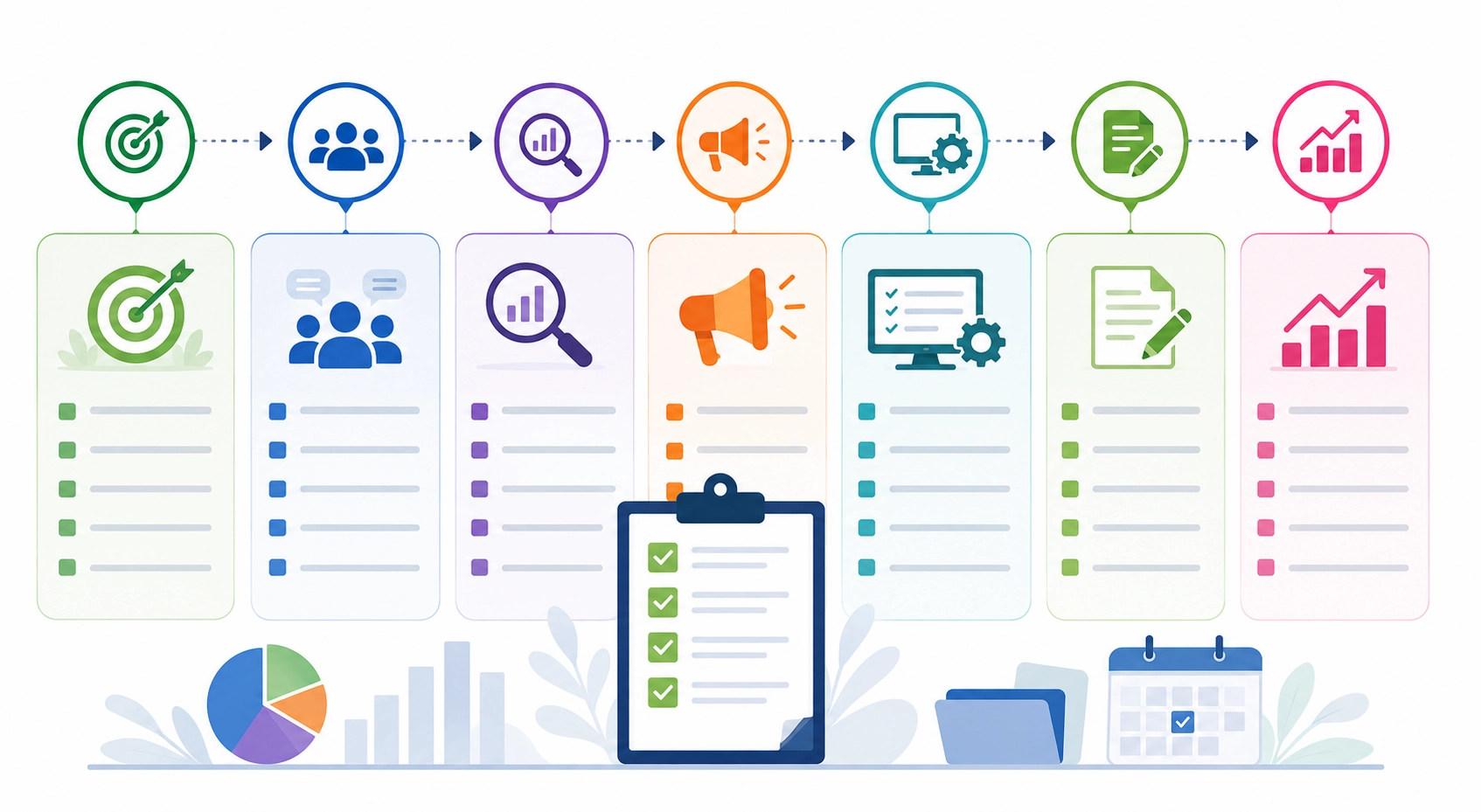
A strong intake template should provide agencies with a usable set of questions, not just topic categories. It should move from business context to technical access, content workflow, and reporting needs. This order helps the person completing the form answer in a natural sequence.
Business and Revenue Goals
- What are your main business goals for the next 6 to 12 months?
- Which services or products generate the most revenue?
- Which services or products do you want to grow?
- Are there specific locations, markets, or audiences you want to reach?
- Is there a website redesign planned or recently completed?
Target Audience and Buyers
- Who is your ideal customer?
- What locations, roles, industries, or demographics describe your audience?
- What problems usually lead people to search for your services?
- What questions do buyers ask before contacting you?
- What objections or concerns delay a purchase decision?
Competitors and Market Position
- Who are your main business competitors?
- Which competitors appear most often in Google results?
- What makes your company different from its competitors?
- Are there competitor pages, resources, or offers you want to compare against?
- Are there brands you do not want to be compared with?
Current Search and Marketing
- What seo work has been completed before?
- Which marketing channels currently generate leads?
- Have you invested in content, paid search, social media, or link building?
- Which campaigns have worked well?
- Which campaigns did not meet expectations?
Website, CMS, and Tracking
- Which CMS or website platform do you use?
- Who manages website updates?
- Do you have access to Google Analytics?
- Do you have access to Google Search Console?
- Is conversion tracking configured?
- Who controls hosting, domain, and tag management?
Access items may include:
- Google Analytics
- Google Search Console
- Google Tag Manager
- CMS or website editor
- Hosting account
- Google Business Profile
- CRM or lead tracking tool
- Shared content folders
Content Workflow and Approvals
- Who writes or edits website content?
- Who approves content before publication?
- Are there brand, legal, or compliance rules to follow?
- How often is content created, updated, or planned through an SEO content calendar?
- Which topics should receive priority?
- Which topics should be avoided?
KPIs, Reporting, and Timeline
- Which SEO results matter most to your team?
- How do you currently measure organic traffic, leads, and conversions?
- How often should reporting be shared?
- Who needs to review reports?
- What timeline does your team expect for research, fixes, and content updates?
- What client expectations should be clarified before work begins?
How to Use the Answers
The answers should not replace research. They should guide the first round of analysis and help the team decide where to look first. For example, if a company says one product or service drives the most value, the review may start with related pages, rankings, conversion paths, and local visibility.
The answers can also reveal gaps between perception and data. A company may believe a keyword is important, but search volume or intent may suggest another path. A careful review compares intake responses with crawl data, analytics, search results, and content quality.
Common Information Gaps
Even a strong intake form may leave unanswered questions. Some companies may not know which pages drive leads, which campaigns worked before, or whether conversion tracking is accurate. These gaps should be documented during onboarding, then clarified with follow-up SEO questions instead of treated as minor details.
Common missing information includes:
- Incomplete Google Analytics access
- Missing Google Search Console ownership
- No clear conversion tracking
- Undefined business goals
- Limited revenue or lead data
- Unknown approval process
- No record of past SEO work
Intake Form Best Practices
A strong form should be clear, organized, and easy to complete. Each question should ask one thing and support a decision. If an answer does not help with research, planning, execution, reporting, or future SEO campaigns, it may not belong in the form.
Grouped sections help people complete the form faster. Business, audience, competitors, website access, content, and reporting should each have their own section. This structure also makes the answers easier to review.
FAQs