

SEO data science helps teams analyze the data behind keyword trends, user behavior, and search engine rankings to make informed decisions. At SSinvent, this approach is used to connect technical SEO, content strategy, and data insights into a structured process. Instead of relying on assumptions, Data-driven SEO uses real data points to guide actions that affect organic traffic and conversion rates. The following sections explain how to use data science for SEO in a clear and practical way.
Key Takeaways
- SEO data science combines data analysis, machine learning, and search engine optimization SEO to guide decisions with real data instead of assumptions.
- Teams follow a workflow that includes data collection, SEO data analysis, implementation, and performance tracking.
- SEO and data analytics improve understanding of user behavior, keyword ranking, and conversion rates.
- Tools like Google Analytics and Google Search Console GSC help measure organic traffic and seo performance.
- Data-driven SEO improves scale and accuracy but requires reliable data and technical skills.|
What Is SEO Data Science And Why It Matters
Core Definition And Scope
SEO data or metrics processing uses data analysis, automation, and statistics to improve SEO performance. It focuses on collecting and analyzing data points from tools like Google Analytics and Google Search Console GSC. This helps identify patterns in keyword ranking, user behavior, and search engine results pages SERPs.
It moves SEO efforts from manual tasks to data-driven decisions. Teams rely on SEO data processing instead of guesswork. This improves accuracy and reduces wasted effort in digital marketing.
Is SEO Related To Data Science?
Yes, SEO is linked to data analysis because both rely on data collection and analysis. SEO requires tracking search engine rankings, backlink profiles, and user behavior. Data engineering helps analyze this data and find trends.
This link grows as search engines use machine learning. It helps teams improve SEO strategy using measurable insights.
How SEO And Data Analytics Connect
SEO and data analytics track performance and guide decisions. Tools collect metrics such as organic traffic, conversion rates, and keyword rankings. These show how users interact with a site.
Combining SEO and data analytics helps measure the impact of technical SEO and content changes. This creates a clear link between actions and results.
How To Use Data Science For SEO
Step-by-Step SEO Data Workflow
- Collect data from Google Analytics and Google Search Console GSC
- Analyze the data to find patterns
- Apply insights to SEO strategy and create content
- Measure results and adjust
This workflow keeps SEO efforts consistent and improves performance over time.
SEO Data Processing For Keyword Research
Keyword research improves with SEO metrics analysis. Teams analyze trends, competition, and user intent rather than relying solely on search volume. This helps evaluate keyword performance across search engine results pages SERPs.
By analyzing these data points, teams identify keywords that align with user behavior, especially when applying international SEO keyword research methods. This improves content relevance.
Content Optimization With Data Insights
Data processing helps improve how teams create content. Metrics like time on page and conversion rates show what works. These insights guide updates to structure and keywords.
Content becomes a continuous, data-driven process. This keeps SEO efforts aligned with user needs.
How To Turn SEO Metrics Into Actions
Data must lead to action. After teams analyze the data, they connect insights to tasks. Low keyword ranking may require content updates or technical SEO fixes.
High bounce rates may indicate a need for better structure or clearer content. Each metric should guide a specific decision.
Predict Rankings With Data Models
Data models estimate changes in search engine rankings based on historical data. Teams analyze trends in keyword ranking and traffic to plan actions.
This helps prioritize work based on impact. Predictions support decisions but do not guarantee results.
Machine Learning And Automation
Machine learning helps identify patterns in large datasets. It automates tasks like keyword grouping and content suggestions. Automation reduces manual work. This allows teams to focus on strategy. It supports scalable SEO data analysis.
Data Mining And Pattern Analysis
Data mining extracts useful insights from large datasets. In SEO, this includes search queries, user behavior, and backlink profile trends. Pattern analysis shows what affects rankings. These insights support better decisions and uncover new opportunities.
Statistical Models In SEO Data Analysis
Statistical models help interpret SEO metrics. They show relationships between changes and results, such as how technical SEO affects organic traffic. These models improve accuracy and reduce bias. They support reliable analysis.
Data Science In Search Engines
How Search Engines Use Data
Search engines use data processing to rank content. They analyze user behavior, queries, and relevance. This involves processing large datasets in real time. Understanding this helps teams align SEO strategy with ranking factors.
Role Of Machine Learning In Rankings
Machine learning helps search engines understand intent and evaluate content. Algorithms improve over time using data. This means SEO must adapt. Data-driven strategies become essential.
SEO Vs Data Analyst Roles
Key Differences In Responsibilities
SEO focuses on improving visibility in search engines. Data analysts focus on interpreting data. SEO combines content, strategy, and technical SEO. Analysts provide insights that support decisions.
Skills Required For Each Role
SEO requires keyword research, technical SEO, and content skills. Data analysts need skills in data collection, statistics, and tools such as Python and SQL. In SEO data engineering, these skills overlap.
Core SEO Types With Data Insights
What Are The 4 Types Of SEO?
The four types are technical SEO, on-page SEO, off-page SEO, and local SEO. Each focuses on a different part of search engine optimization SEO. Data analysis helps evaluate performance across all types.
How Data Improves Technical SEO
Technical SEO focuses on structure and performance. Data helps identify issues like crawl errors and speed problems. Tools like Google Search Console GSC provide this data.
Data Use in On-Page SEO
On-page SEO uses data to improve content, often supported by on-page SEO services that focus on structure and optimization. Metrics such as keyword rankings and user behavior guide decisions. This helps match content with search intent.
Off-Page and Local SEO With Data
Off-page SEO focuses on backlinks. Local SEO focuses on location searches. Data helps evaluate the quality and trends of the backlink profile. This supports stronger SEO efforts.
Real Use Cases Of SEO Data Science
Traffic Forecasting
Traffic forecasting uses past data to estimate future organic traffic. It helps plan SEO strategy and content. This creates a structured planning approach.
Search Intent Analysis
Search intent analysis identifies what users want. Data shows patterns in queries and user behavior. This improves content relevance and conversion rates.
Content Gap Analysis
Content gap analysis finds missing topics or keywords. Teams analyze competitors and trends to create content. This improves coverage and visibility.
Real Example Of SEO Data Science In Practice
A team wants to improve organic traffic for pages with low keyword ranking. They collect data using Google Analytics and Google Search Console GSC. They find pages with impressions but low clicks.
They analyze the data and adjust content, titles, and keyword research. After updates, they track keyword ranking and conversion rates. This shows how SEO data processing connects data and action.
Scenario 1: Using Data To Adjust SEO Strategy
Teams often collect data but fail to connect it to an SEO strategy. A better approach is to map each metric to a decision. For example, if keyword rankings drop, teams should review content relevance and the competitive landscape.
If user behavior shows low engagement, teams can improve page structure or clarity. Each metric should guide a clear action that supports SEO efforts. This ensures that SEO data engineering leads to consistent improvements.
Scenario 2: Using Data To Improve Conversion Rates
SEO is not only about traffic. Data from Google Analytics can show how users behave after they arrive. Metrics like bounce rate and session duration reveal if content meets expectations.
If users leave quickly, teams can adjust content layout or calls to action. Improving these elements can increase conversion rates without changing keyword ranking. This connects SEO and data analytics directly to business outcomes.
Scenario 3: Scaling Content With Data
When managing large websites, manual optimization becomes inefficient. Teams use SEO metrics analytics to identify patterns across many pages. They analyze which content types drive the most organic traffic.
Based on this, they create content templates that follow proven structures. This allows teams to create content at scale while maintaining quality. It also ensures consistency across the SEO strategy.
Tools And Courses For SEO Data Science
SEO And Data Analytics Tools
Tools like Google Analytics and Google Search Console GSC provide data for analysis. They support SEO data analysis and reporting. Using the right tools improves accuracy.
Data Visualization Tools
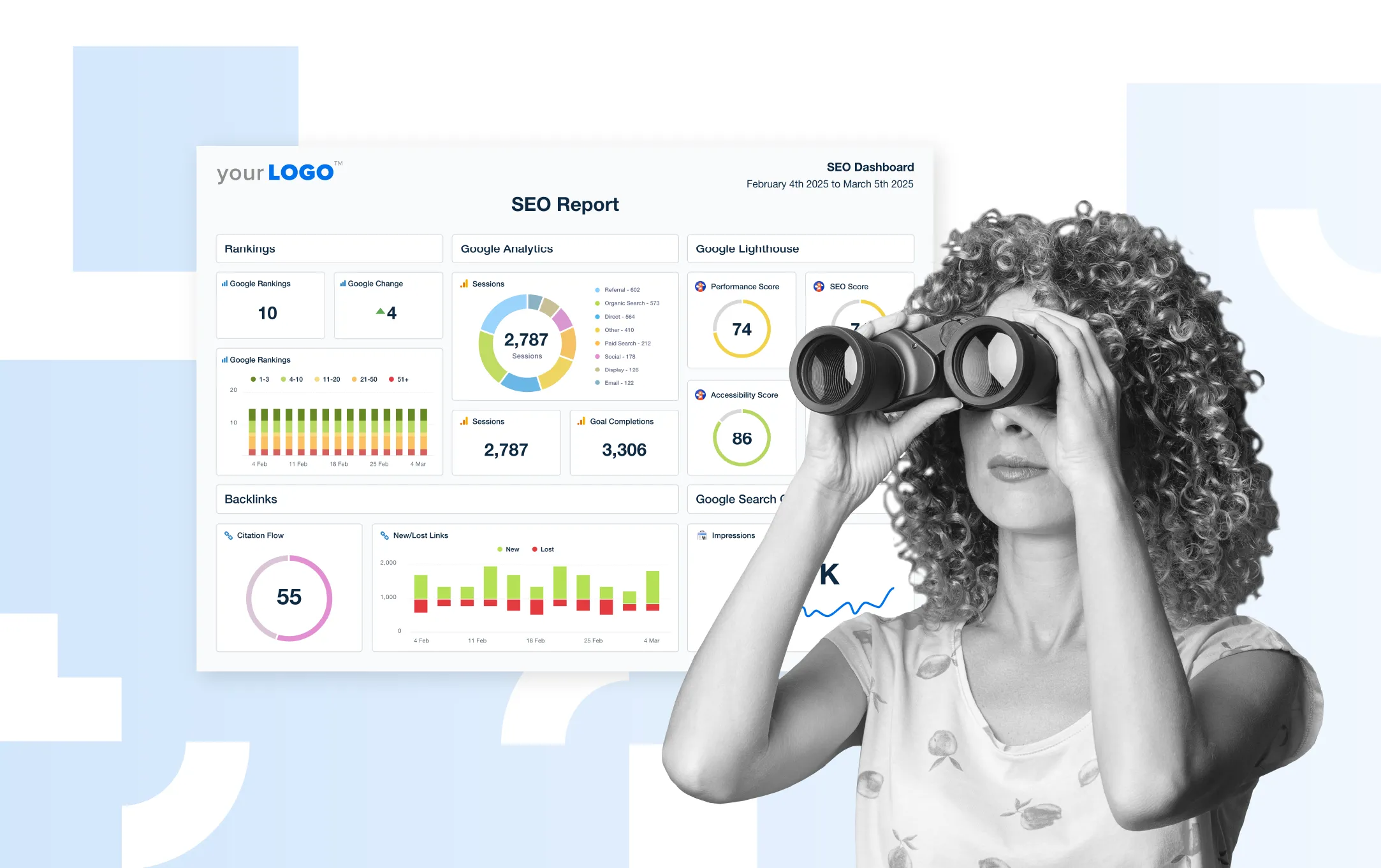
Visualization tools present data in charts and dashboards, which makes trends easier to understand. It improves decision-making and communication.
SEO Data Modeling Course Options
Courses teach how to combine SEO and data analytics. They cover data collection, analysis, and the basics of machine learning. They help build practical skills.
SEO Metrics And Data Sources
Key SEO KPIs To Track
Key metrics include organic traffic, conversion rates, and keyword ranking. These show SEO performance. Tracking them helps improve SEO efforts.
Data Sources Like GSC And Logs
Data comes from Google Search Console GSC, logs, and analytics tools. These show user behavior and performance. Using multiple sources improves accuracy.
Ensuring Data Accuracy And Quality
Data must be accurate to support decisions, because errors lead to wrong conclusions. Teams must validate data regularly.
Common Mistakes In SEO Data Analysis
A common mistake is using incomplete data collection, as missing data leads to poor decisions. Another mistake is focusing only on traffic, because teams must review multiple data points.
Benefits And Challenges Of SEO Data Science
Better Decisions With Data-driven SEO
Data-driven SEO improves decision-making, reducing guesswork and increasing accuracy. This leads to a stronger SEO strategy planning.

Scaling SEO With Data
Data processing allows SEO to scale across large sites. Automation handles large datasets efficiently, improving consistency and productivity.
Data Quality And Skill Limitations
SEO metrics modeling requires technical skills, and not all teams have this expertise. Data quality issues can also affect results.
Limits Of Data-driven SEO
Data does not capture every factor that affects rankings. Predictions rely on past data, so teams must remain flexible and use context.
Is SEO Dead Or Evolving In 2026?
Impact Of AI And Automation
SEO is evolving as AI becomes more common. Search engines use machine learning to improve rankings. This changes how SEO strategies are built.
Future Of SEO And Data Modeling
SEO metrics analysis will continue to grow with AI tools, aligning with concepts explained in SEO 4.0. Rodrigo César and Christopher Cáceres highlight the need to combine technical SEO with data analysis. This supports scalable and accurate strategies.
How To Start With SEO Data Science
Skills Needed For SEO And Data Analytics
Key skills include data analysis, SEO fundamentals, and basic programming. Tools like Google Analytics are essential. These skills support better decisions.
Beginner Projects And Workflows
Start with simple projects, such as tracking keyword rankings or organic traffic, to build experience. Over time, workflows become more advanced.