
Traditional optimization still matters because pages need crawlability, indexability, snippet eligibility, useful content, and strong relevance before they can be considered for ai generated summaries.
The goal is not to chase keywords alone, but to make the page answerable and extractable. This means writing concise answer blocks, using structured sections, adding examples, matching search intent, and removing technical barriers.
SSinvent approaches this topic through technical SEO, content structure, strategic backlinks, and web development, all of which influence how clearly a page can be understood in Google Search.
Key Takeaways
- Visibility in generated search results depends on crawlability, indexability, snippet eligibility, clear content, and strong relevance.
- Pages should answer the main query directly, use clear headings, and make content easy for Google to summarize and cite.
- Helpful content matters more than shortcuts because Google does not require special schema or special markup for these search features.
- Strong pages cover related questions, use relevant entities, include examples, and support claims with trustworthy sources.
- Generated summaries can change click behavior, so pages should offer deeper value than a short answer on the results page.
How to Get an Overview to Show Up
Answer the Query Directly
A page should answer the main query near the top. This helps users and systems understand the page’s purpose fast. A direct answer also supports snippets, summaries, and other search features.
The answer should be clear enough for a reader to understand without first reading the full article. After that, the page can explain the process, limits, examples, and technical requirements. This structure improves clarity and helps search systems identify the main point.
Match Search Intent
Search intent explains what the user wants from a query. Some search queries ask for definitions, while others ask for steps, comparisons, tools, or examples. A page that matches intent gives the right answer format for that need.
A practical guide should combine explanation and action. The reader wants to know how AI Overviews work, what makes content eligible, and what changes can improve visibility. The article should answer those needs in a clear order.
Keep Pages Indexable
A page cannot appear in search features if Google cannot access it. Indexing depends on crawl access, canonical signals, robots settings, page quality, and snippet eligibility. Technical issues can block strong content from appearing in organic search.
Indexable pages should also allow previews when visibility is the goal. Snippet restrictions, noindex tags, or blocked resources can limit how content appears. Technical checks should happen before content teams judge performance.
What These Search Results Are
How Google Creates Generated Answers
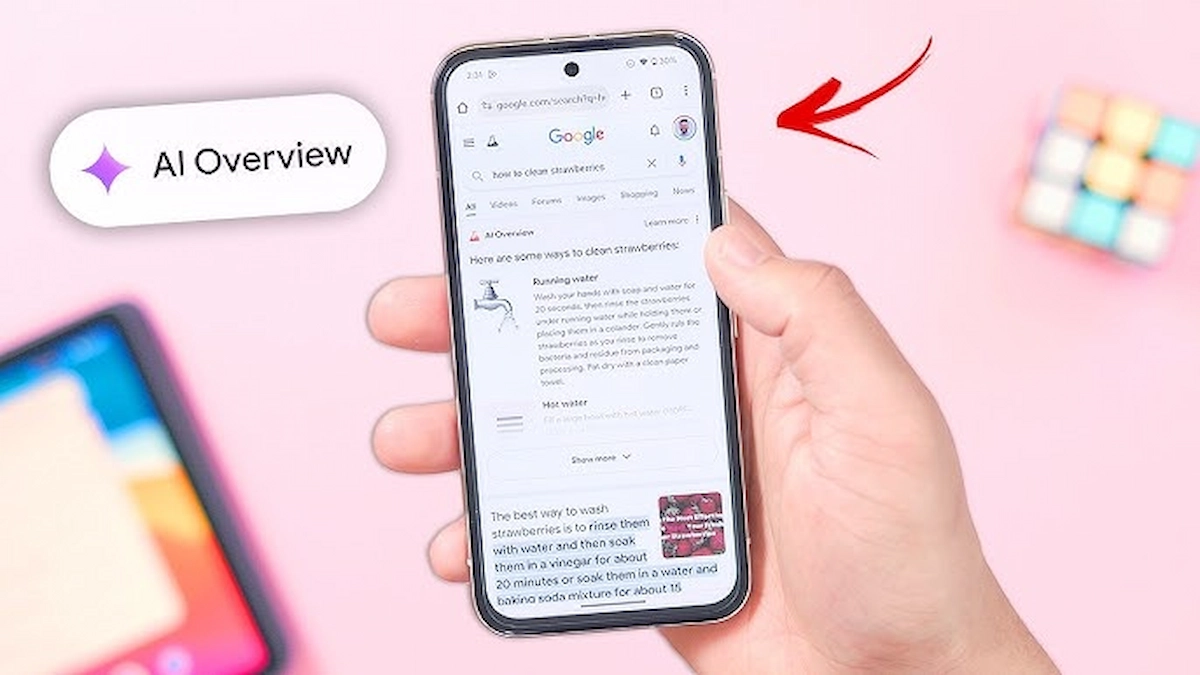
These search features use generative AI to summarize information for some queries. They can include AI-generated answers, source links, and context from Google Search systems. These answers may appear above or near the organic results on the search engine results page.
They are not simple copies of one page. Google combines information from its search systems to generate a response. Pages that provide clear, helpful, and accessible information have a stronger foundation for eligibility.
What Triggers These Results
Generated summaries often appear when Google determines that a short response can help users understand a topic more quickly. They are more common for informational searches, how-to questions, comparisons, and multi-step topics. They are less common when the user needs an exact website, a single fact, a local map result, or very up-to-date information.
This means the query type should guide the content plan. A broad informational keyword may need a full guide with definitions, examples, and related questions. A local, branded, or purchase-ready keyword may need a different page format.
Why Query Fan-Out Matters
Query fan-out describes how Google may explore related searches and subtopics to answer a complex query. A user may type one question, but the system may consider several connected needs. This makes topic coverage more important than keyword repetition.
A page about this topic should cover definitions, technical access, content quality, structured data, and tracking. These connected ideas help the page answer the larger task behind the query. The goal is complete coverage, not longer text for its own sake.
Search Overview Optimization
Why SEO Still Matters
AI Overview SEO optimization starts with the same foundation as traditional search work. Google Search still needs crawlable pages, useful content, clear signals, and reliable information. The format changed, but the core quality problem did not disappear.
Organic search remains a key source of discovery. These features may change how users interact with results, but they still draw from Search systems. Strong seo strategies should support both standard listings and generated search features.
What Google Officially Says
Google’s guidance states that these features use the same basic search systems that power Google Search. Pages should follow technical search requirements, provide helpful content, and meet search policies. This means visibility starts with normal search eligibility, not a separate shortcut.
Google also explains that there are no extra requirements to appear in AI Overviews or AI Mode. A page still needs to be indexed, accessible, and eligible to show useful previews. Strong content can improve eligibility, but it cannot force inclusion.
What You Do Not Need
You do not need a special tag that guarantees inclusion. You also do not need to rewrite every page for generative AI language. A page should serve the user first, then support machine understanding through a clear structure.
Some advice online treats generated search as a separate channel with hidden rules. That approach can lead to thin pages and forced wording. A better approach is to improve helpfulness, accuracy, access, and clarity.
Content Signals That Matter
Cover the Topic Fully
Full coverage means answering the main question and the natural follow-up questions. A reader may ask what the feature is, why content gets selected, how to get cited in AI Overviews, and how to measure visibility. The page should address each need without repeating the same idea.
Teams should create content that solves the full search task. That may include definitions, steps, examples, limitations, and related questions. Strong articles remove gaps that would force the reader to return to Google Search.
Use Related Entities
Entities are people, places, products, concepts, and systems that search engines can connect to a topic. For this subject, related entities include Google Search, organic results, structured data, schema markups, Search Console, crawlability, snippets, and the search generative experience. These terms help define the topic space.
Related entities should appear naturally in useful explanations, and a structured process for finding entities for SEO can help teams identify concepts that belong in the article. They should not appear as a keyword list. A sentence should help the reader understand why the entity matters.
Add Original Examples
Original examples help show experience and practical understanding. A page can explain that a weak answer block says “search is changing,” while a stronger block explains a specific action, such as improving indexability and direct answers. This makes the advice easier to apply.
Examples also help users compare good and poor execution. A reader can check their own content against the example. That makes the article more useful than a list of generic tips.
Show Expertise and Sources
Expertise is evident in accurate explanations, clear process steps, and appropriate limits. Rodrigo César and Christopher Cáceres work in SEO and technical search contexts, so their perspective can support sections about audits, content structure, and site performance. The article should present such expertise factually, not as a sales claim.
Sources also matter when the article discusses Google systems. A strong page should reference official documentation, current guidance, and reliable industry research when needed. Clear sourcing helps users trust the information.

On-Page and Technical Requirements
Use Clear Headings and Answer Blocks
Headings should tell the reader what each section covers. A clear heading helps users scan the page and helps systems understand the content hierarchy. Short answer blocks should answer who, what, why, or how in a few sentences.
For example, a section about being cited should explain that citation depends on eligibility, relevance, and system selection. It should not promise that one content format will force a citation. The answer should be useful and careful.
Match Schema to Content
Structured data can help Google understand page details when it matches visible content. It does not replace helpful writing, but it can support eligible rich results. The markup should describe real page content, not hidden or misleading information.
Schema markups may fit articles, FAQs, products, local businesses, or other supported content types. Structured data can support understanding, but Google does not require a special schema type for generated summaries. The safest rule is simple: mark up what users can see and verify.
Review Search Preview Controls
Search preview controls affect how Google displays page content in search results. These controls include noindex, nosnippet, max-snippet, and data-nosnippet. They can serve a valid purpose, but they can also limit visibility when used on key educational pages.
A noindex directive can prevent the page from appearing in Google Search. A nosnippet directive can prevent text previews from showing. Teams should review these settings before judging content performance.
Improve Readability and Layout
Readability affects how long users stay on the page and how well they understand it. Short paragraphs, clear headings, lists, and useful examples make technical topics easier to follow. A clean layout also helps users compare sections.
The page should avoid dense blocks of text. It should guide users from the main answer to deeper support. Good layout improves both comprehension and satisfaction.
How Generated Summaries Affect Search
Visibility and Clicks Can Change
Generated answers can create new visibility surfaces in Google Search. A cited page may appear in or near the summary, even when users focus on the answer first. This can expose a brand or page to users earlier in the search journey.
Visibility does not always equal traffic. Some users may stop after reading the summary, while others may click when they need examples, proof, tools, pricing, visuals, or a deeper guide. This means the page should offer more value than a short generated answer can provide.
Content That Earns the Click
A generated summary can answer the surface-level question, so the full page needs to add more value. Users click when they expect examples, tools, steps, visuals, or proof that the summary does not provide. The article should help them act, not just define the topic.
Useful click-worthy additions include practical checklists, comparison tables, workflows, screenshots, original observations, and clear next steps. These elements help the full article solve the problem better than a brief summary. This is important because click searches may shift as search features answer more questions directly.
Traditional Results Versus Generated Visibility
Traditional SEO focuses on rankings, snippets, clicks, and page engagement. Generated visibility focuses on whether a page can be cited, summarized, or discovered inside AI-generated summaries. Both depend on crawlability, relevance, quality, and trust.
The two approaches should work together. A page that ranks well in organic results already has a stronger base for generated search features. A page that earns additional visibility still needs sufficient depth to attract clicks beyond the summary.
Measurement Needs Context
Tracking this visibility is still less direct than tracking standard rankings. Search Console can show query, page, impression, and click data, but it may not isolate every generated feature in the way teams want it to. Third-party tools may add visibility estimates, but they require careful interpretation.
A useful measurement process compares several signals together. Teams should review impressions, clicks, click-through rate, rankings, engagement, and conversion trends. This provides a clearer view than a single keyword or a single search result snapshot.
How to Audit Search Visibility
Review Ranking Pages
Start by reviewing pages that already rank for the topic. Look at what they answer, how they structure sections, and where they provide examples. Compare their coverage against your own page.
This review should focus on on-page quality rather than copying competitors. The goal is to find missing user needs. Better content should add clarity, accuracy, and useful detail.
Find Missing Questions
Missing questions often show where the article is weak. Review People Also Ask topics, related searches, Autocomplete phrases, and internal search data. These sources show what readers expect to learn next.
For this article, missing questions may include what AI Overviews are, how to get an overview to show up, and how to get cited in generated answers. Each question should map to a clear section. This improves coverage and navigation.
Track Target Keywords
Tracking should include both direct keywords and related phrases. A page may gain impressions from long-tail questions before it improves for the main keyword. These secondary terms can show whether the content matches user intent.
Use rankings, Search Console data, and SERP checks together. Monitor whether the page appears near generated results, standard snippets, and organic results. This helps teams connect content changes to search behavior.
Common Optimization Mistakes
Chasing Hacks
Many weak tactics start with the idea that search features need a secret format. This can lead to unnatural wording, repeated keywords, and shallow answer blocks. These tactics may hurt readability and trust.
Hidden text, invisible links, or hidden keywords in SEO can create the same trust problem because users and search systems may see different things.
The better path is to build pages that explain topics clearly. Focus on access, accuracy, structure, and useful examples. These signals support both readers and search systems.
Publishing Thin Content
Thin content gives a short answer without enough support. It may define a term but fail to explain the process, the limits, the examples, or the next steps. Users often return to search when a page leaves too many gaps.
A strong page should answer the main question and related questions. It should also include original analysis or examples where possible. This makes the content more useful than a basic summary.
Overusing Keywords
Keyword use should support understanding, not distract from it, because keywords are still relevant in SEO when they match search intent and page context. Repeating the same phrase too often can create SEO keyword stuffing and make the article feel mechanical.
Use synonyms and related terms when they fit. For example, use generated answers, search summaries, search features, and search visibility where appropriate. This keeps the language natural while still covering the topic.
How SSinvent Helps You Adapt
Technical SEO Audits
A technical audit checks whether pages can be crawled, indexed, rendered, and understood. It reviews internal links, redirects, canonicals, speed, and structured data. These checks help identify problems that can limit search visibility.
Content Strategy
A content strategy connects search intent with clear page topics. It defines what to write, what to update, and how each page should answer user needs. For generated search features, the strategy should include direct answers, examples, entities, and source quality.
Strategic Backlinks
Link building can support authority when links come from relevant and trustworthy sources. Backlinks do not replace helpful content, but they can help search systems evaluate reputation and context. The best approach focuses on relevance, quality, and editorial value.
Web Development Support
Web development affects how search systems access and render content. Clean templates, fast pages, crawlable links, and readable layouts support organic discovery. When development and content work together, pages become easier for users and systems to understand.