
Hair Transplant SEO: How to Rank Your Clinic Online
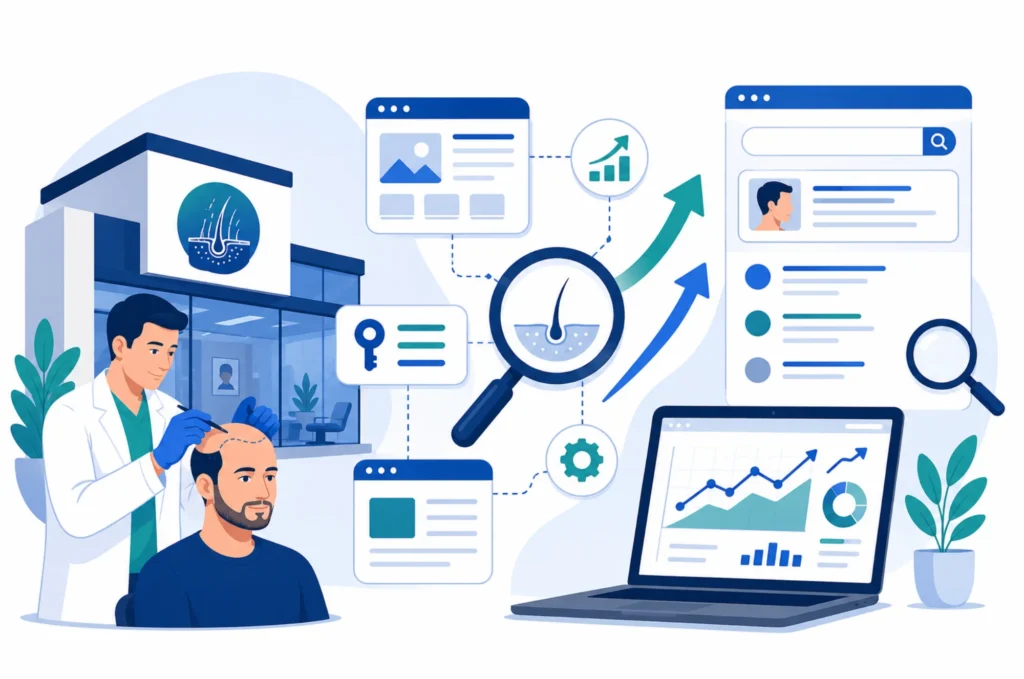
Ranking a hair transplant clinic online needs more than a website. It requires a clear plan that aligns technical setup, content, and local visibility. Hair transplant SEO blends these elements into one strategy. It focuses on how patients search, compare, and choose a provider of hair restoration provider.
HubSpot Technical Consulting for Better CRM Performance

A stronger CRM depends on clean data, connected systems, reliable automation, and reports that reflect how your business works.
HubSpot Technical Consulting provides expert support for custom API connections, CRM data migrations, advanced workflow automation, and reporting built around specific operating goals. It also helps teams reduce data conflicts, improve system ownership, and make better use of their wider tech stack.
Services Page Web Design: 12 Elements That Convert
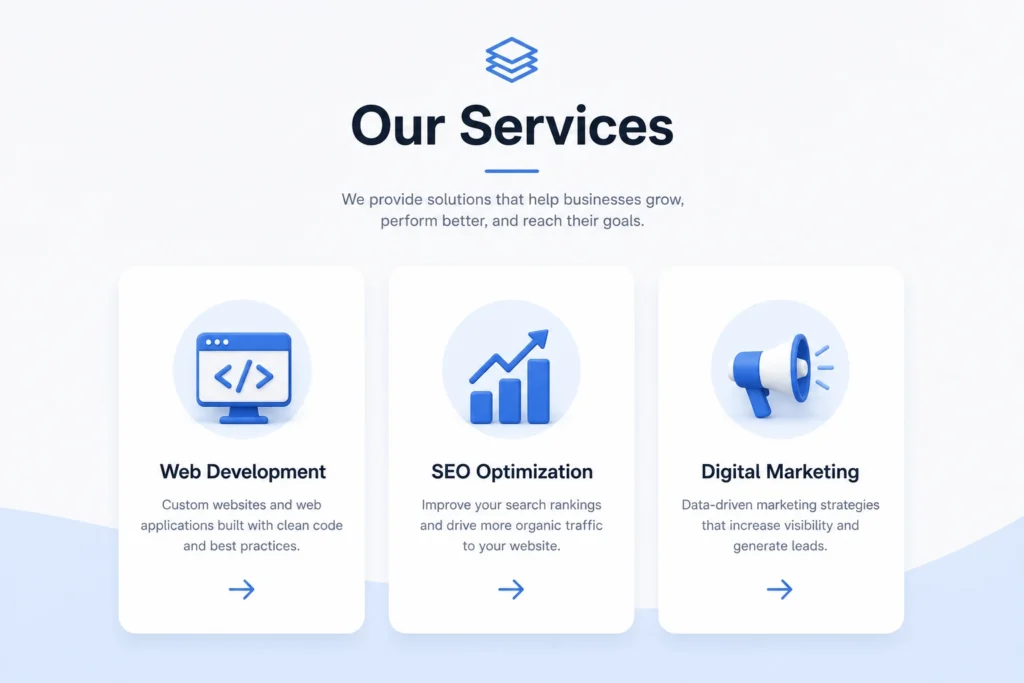
A strong service-focused website tells people what a business offers, who it’s for, and what to do next. Services page web design uses clear titles, simple descriptions, customer benefits, trust signals, mobile-friendly layouts, SEO, and clear calls to action. It should also include pricing details, social proof, common questions, easy navigation, and a clear content flow.
SEO Healthcare Content Writing Best Practices: A Clear Guide

Effective healthcare content should answer patient questions. It should share accurate medical information and also help search engines understand each page’s purpose.
The main best practices for SEO healthcare content writing include matching search intent and using credible sources. They also include placing keywords naturally and involving qualified experts in the review process.
Technical SEO Agency for Sustainable Organic Growth

A website can achieve sustainable organic growth only when search engines can crawl, interpret, render, and index its pages without unnecessary barriers.
A Technical SEO agency evaluates the systems that support this process, including crawlability, indexability, site speed, Core Web Vitals, site architecture, structured data, internal linking, and JavaScript rendering. The objective is to remove structural and performance issues that prevent valuable pages from being discovered or understood.
AI in Healthcare SEO: Build Trusted Search Visibility

Trusted search visibility starts with clear medical content and a sound website. AI in healthcare SEO, also called AI optimization or AIO, helps search tools understand, check, and cite health information. It goes beyond basic keyword use by focusing on patient intent, page meaning, and direct answers. It can also help content appear in Google AI Overviews, Perplexity, ChatGPT Search, and standard search results.
How to Make Your Roofing Website SEO-Friendly for More Leads

A contractor’s site becomes search-ready when Google can understand its services, locations, trust signals, and contact paths. To improve local visibility, create dedicated pages for each core service and service area, optimize your Google Business Profile, and ensure important pages load quickly on mobile devices.
A lead-ready roofing site connects user intent, useful website content, technical health, and clear conversion paths. Each page should answer a specific need, such as roof repair, roof replacement, storm damage, or emergency leaks. It should also guide users toward a clear next step, such as a call, estimate request, or form submission.
Roofing GBP SEO Guide: How to Rank Higher in the Map Pack

A Google Business Profile helps homeowners find your roofing company. They can find you when they search nearby for roof repairs or roof inspections. Roofing GBP SEO covers setup steps, ranking factors, and ongoing habits.
These actions keep your profile visible in local search results and the map pack. The process isn’t hard, but small mistakes in categories, service area, or contact info can hold you back for months.
ORM SEO: How Reputation Management Works With SEO Together
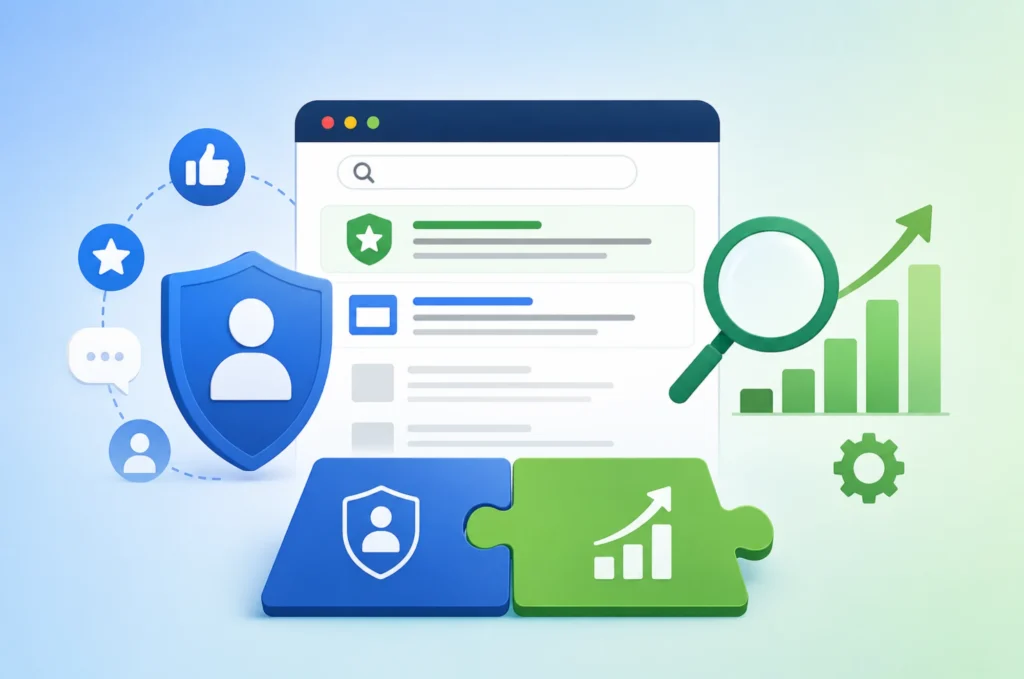
Online reputation management and search engine optimization solve two different problems. But they both show up on the same page: the search results page.
ORM concerns how a brand appears to people searching for it. SEO deals with getting a website found by those same people. Businesses that treat ORM and SEO as a single effort, not two teams, often achieve steadier results from both.
Backlink Strategy for Healthcare SEO for a Medical Clinic

A strong off-page plan for a medical clinic focuses on earning relevant links from trusted medical associations, local organizations, reputable directories, universities, media outlets, and expert publications.
It should support E-E-A-T through accurate medical content, verified credentials, reliable sources, and consistent name, address, and phone number details across Google Business Profiles and local directories.