
Area-based search work also connects each service to the right city, neighborhood, or service area. A complete strategy uses high-intent keywords, a clear page structure, accurate business details, technical fixes, useful content, and trust signals to guide potential customers to contact.
For context, SSinvent approaches this process through technical audits, content marketing, backlinks, and web development that support clearer search visibility and better user paths.
Key Takeaways
- Search engine optimization helps contractors appear when nearby homeowners need repairs, replacements, inspections, storm-damage support, or emergency services.
- Area-based visibility connects each service to the right city or service area through Google Business Profile, service pages, reviews, citations, and relevant backlinks.
- High-intent keywords attract potential customers who are closer to calling, requesting an estimate, or comparing contractors.
- Technical improvements, clear content, and mobile-friendly web design help users find the right information and take action without friction.
- Performance should be measured through qualified calls, form submissions, map visibility, and booked jobs, not traffic alone.
How Search Visibility Drives More Roofing Leads
Roof-related searches often happen when a homeowner has a clear need. A person may search for a leak, storm damage, aging roof issues, or an inspection concern. Strong search visibility helps a roofing business appear when that query has nearby and commercial intent.
Improves Search Visibility
Visibility matters because homeowners often compare several contractors before contacting one. Strong local search rankings help a company appear in map listings, organic results, and service-related searches. This gives the business more chances to reach people who already need help.
Increases Google Maps Calls
Google Maps is one of the most direct paths from search to contact. A complete profile can show services, reviews, photos, business hours, and a clickable phone number. When that profile ranks well, homeowners can call without visiting the website first.
Converts Traffic Into Estimates
A visit only creates value when the page guides the user toward the next step. Service pages should explain the problem, the service, the location served, and the action the visitor can take. Clear forms, phone links, and estimate prompts help turn search traffic into requests.
Builds Trust Before Contact
Homeowners want signs that a contractor is real, active, and relevant to their area. Reviews, project photos, service explanations, and consistent business details support that trust. Search visibility works best when the page also helps visitors feel informed.
Local SEO Strategies for Roofing Contractors
This approach focuses on visibility in specific cities, neighborhoods, and service areas. A local business should make its location, services, and contact details easy for search engines and users to understand. These steps help connect the company with homeowners who need nearby help.
Improve Google Business Profile
A Google Business Profile GBP setup should include the correct company name, categories, services, hours, photos, and service area. When you optimize your Google Business Profile, you help Google determine when to show the contractor in relevant search results. The profile should also include a current address and phone number where applicable.
Build City-Based Service Pages
City-based service pages help a contractor target searches in specific markets. A page for roof repair in Austin, for example, should explain the service and the location without copying the same text across every city. Each page should include useful details about the area, common roof issues, and the services offered.
Target High-Intent Keywords
High-intent keywords show that a homeowner is close to taking action. Terms like “roof leak repair,” “emergency roofer,” and “roof replacement near me” often signal active demand. SEO for roofing companies should focus on terms that connect search behavior with service needs.
Manage Citations and NAP
Citations are business listings across directories, maps, and regional websites. NAP stands for name, address, and phone number, and these details should remain consistent across the web. Inconsistent listings can confuse users and weaken trust signals.
Earn Relevant Backlinks
Backlinks can come from chambers of commerce, supplier pages, nearby news outlets, sponsorships, and industry directories. These links help search engines understand a contractor’s connection to a region.
Quality matters more than volume because unrelated or low-quality links add little value, whereas relevant contextual links in SEO can enhance topical clarity by pointing users to useful pages.
Roofing Keywords That Bring Leads
Service keywords should match how people search in real situations. Some users need fast repair, while others compare companies for a planned replacement. The best keyword plan separates urgent, informational, and service-based searches, which is why a focused roofing SEO keyword strategy should map each term to the right page type.
Roof Repair Near Me
“Roof repair near me” often shows immediate need. A homeowner using this search may have a leak, missing shingles, or visible damage. A page that targets this intent should explain repair options, inspection steps, and how to request help.
Emergency Roofer Near Me
Emergency searches usually come from urgent problems. Storm damage, active leaks, and fallen branches can push homeowners to search quickly. Pages for this intent should be clear, mobile-friendly, and focused on fast contact options.
Roof Replacement in Your City
Replacement keywords often show a larger project and a longer decision process. Users may compare materials, timelines, warranties, and costs before calling. A strong page should address those concerns and explain what affects the project’s scope.
Contractor Near Me
This search is broader than repair or replacement. The user may need inspections, maintenance, commercial service, or help choosing the right solution. A contractor page should make services, locations, reviews, and contact options easy to scan.
Content That Attracts Roofing Customers
Content helps contractors answer questions before a homeowner speaks with a sales team. Creating content also helps a site rank for informational searches that can lead to later contact. Blog posts, guides, and service pages should support real decisions, not just add words to a website.
Answer Common Questions
Homeowners often search for answers before choosing a contractor. Topics can include signs of leaks, roof lifespan, repair timing, shingle damage, inspection needs, and replacement options. Clear answers help users understand the issue and decide whether they need professional help.
Explain the 25% Rule for Roofing
The 25% rule for roofing often refers to situations where a certain amount of roof damage may trigger repair or replacement requirements under regional rules. The exact meaning can vary by location, code, and insurance context. A contractor should explain the concept carefully and direct homeowners to a licensed inspection or proper authority when rules affect the decision.
Publish Project-Based Content
Project-based content can show real service experience without making exaggerated claims. A contractor can explain the type of roof, the problem, the repair approach, and the general outcome. These examples help users understand the process and help search engines connect the company with specific services.
Technical SEO for Roofing Websites
Technical SEO helps search engines crawl, understand, and index a website. It also improves the user experience when pages load quickly and work well on mobile devices. A technically sound site gives content a better chance to perform.
Improve Site Speed
Homeowners often search from a phone, especially during urgent situations. Slow pages can cause users to leave before they read the service details. Image compression, clean code, caching, and reliable hosting can improve load time.
Fix Mobile Usability
A contractor website should work clearly on small screens, and broader steps to make your roofer website SEO-friendly should also support fast loading, clear navigation, and easy contact paths.
Buttons should be easy to tap, phone numbers should be clickable, and forms should not feel hard to complete. Mobile usability matters because many service searches occur on mobile devices.
Support Crawling and Indexing
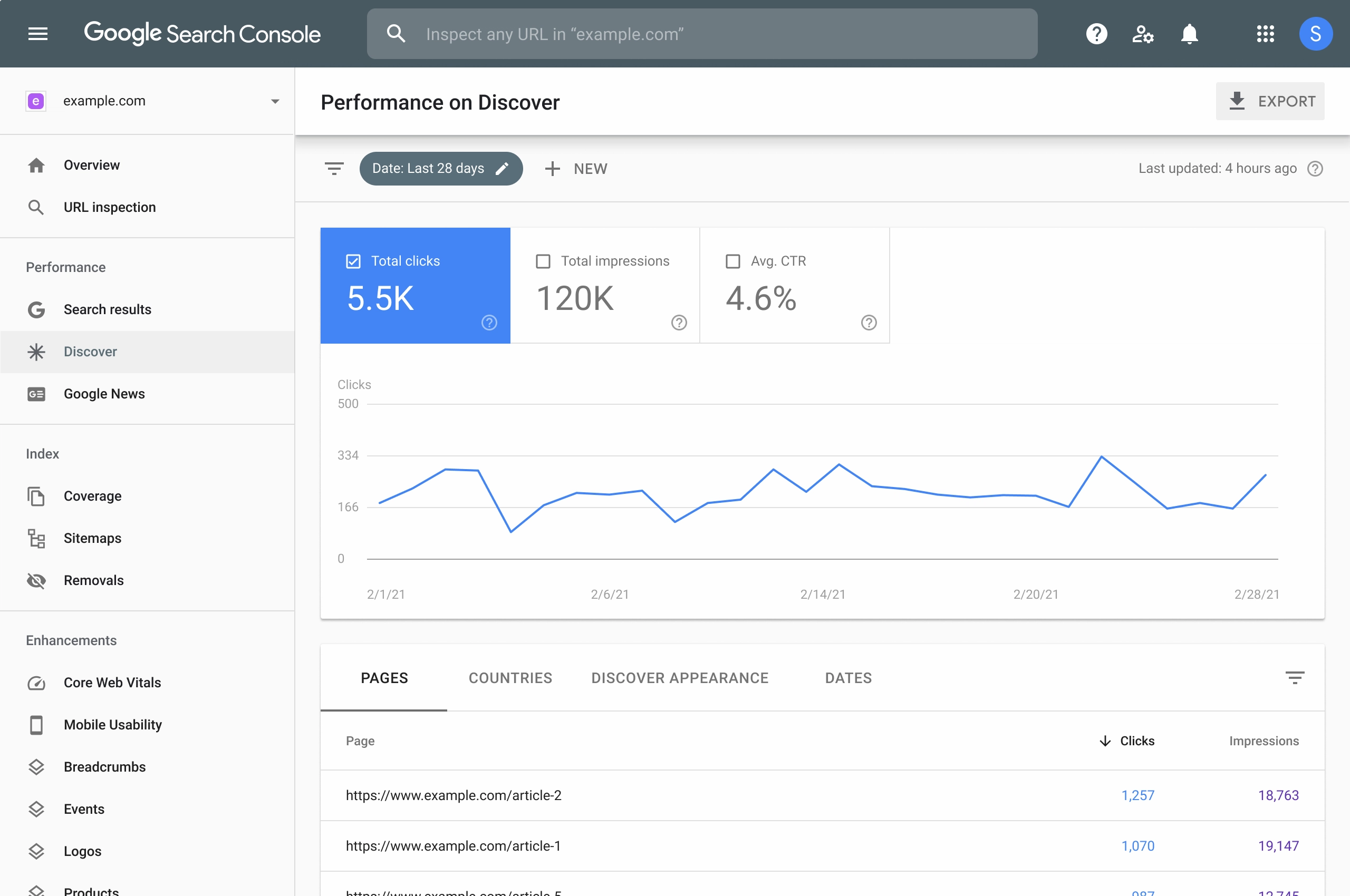
Search engines need access to important pages. XML sitemaps, clean internal links, crawlable navigation, and correct indexation settings help support discovery. Google Search Console can show indexing issues, page performance data, and search queries that bring users to the site.
Add Schema Markup
Schema markup helps search engines understand page details. A contractor website can use structured data for local business information, services, reviews, FAQs, and contact details when appropriate. Schema does not replace strong content, but it can support clearer interpretation.
SEO vs Paid Ads for Roofers
Organic search and paid ads can both support lead generation, but they work in different ways. Paid ads can create visibility quickly while the budget is active. Organic search usually takes more time, but it can support long-term discovery when pages rank and remain useful.
Compare Cost per Lead
Paid ads usually deliver faster visibility, but each click incurs a direct cost, whether the visitor calls, fills out a form, or leaves the page. Organic search requires upfront and ongoing investment in content, technical work, and link building, but a ranked page can continue to attract visitors at no per-click cost.
For roofers, the better comparison is not just traffic volume, but cost per qualified contact, booked estimate, and completed job, which is why the question of whether local SEO is the highest ROI for roofing contractors should be judged through real business outcomes.
Balance Fast and Long-Term Results
A contractor may use ads for immediate demand while improving unpaid visibility in the background. This approach can help cover short-term needs while building longer-term search assets. The right balance depends on market competition, budget, seasonality, and current rankings.
Use Both Channels Together
Search ads and organic pages can support each other by targeting different stages of intent. Ads can test keywords, landing pages, and messages before those insights shape content. Organic pages can answer deeper questions that do not fit well into short ad copy.
Common Roofing SEO Mistakes
Many contractor websites struggle because they target broad terms, publish thin pages, or ignore area-based signals. These issues can make the site less useful for users and harder for search engines to interpret. Fixing basic problems often improves clarity before more advanced work begins.
Ignoring Google Maps Rankings
Some contractors focus only on website pages and forget map visibility. For many service searches, map results appear above traditional organic listings. Reviews, categories, proximity, profile quality, and relevance can all affect visibility there.
Targeting Broad Keywords
Broad terms like “roofing” or “contractor” may bring unclear intent. A better approach uses service, location, and urgency modifiers. For example, “storm damage roof repair in Austin” gives clearer context than a generic phrase.
Publishing Thin Service Pages
Thin pages often repeat the same basic text, with only the city name changed, which is a common thin-content SEO issue for service-area pages. These pages may not answer enough questions to satisfy users. Better pages explain the service, common problems, inspection process, materials, location context, and contact path.
Neglecting Reviews and Citations
Reviews help users compare businesses before they contact one. Citations help confirm business information across the web. A contractor should monitor both, as outdated details can lead to missed calls and user confusion.
How Long Roofing SEO Takes
The answer to how long local SEO takes for roofing contractors depends on competition, site condition, content quality, location, and existing authority.
A newer site in a competitive city may need more time than an established company with strong reviews and links. Progress should be measured through multiple signals, not only rankings.
First 90 Days
The first 90 days often focus on audits, technical fixes, keyword mapping, Google Business Profile updates, and priority page improvements. This stage creates the foundation for better crawling, indexing, and content relevance. Early movement can happen, but meaningful lead data usually needs more time.
Months Three to Six
During months three to six, service pages, internal links, citations, reviews, and content work can start to support broader visibility. Search engines may begin to test pages for more queries. This period is useful for reviewing traffic quality and adjusting weak pages.
Six Months and Beyond
After six months, a stronger content base and cleaner technical setup can support more stable performance. Competitive markets may still require ongoing updates, backlinks, and review growth. The goal is steady improvement across visibility, calls, forms, and booked work.
How to Measure Roofing SEO
Measurement should connect search activity to business actions. Rankings and traffic matter, but they do not tell the full story. A useful reporting setup tracks how users find the site and what they do after they arrive.
Organic Traffic Growth
Organic traffic shows how many users visit from unpaid search results. It should be reviewed by page, query, location, and device when possible. A rise in traffic is more useful when it comes from terms related to actual services.
Calls and Form Submissions
Calls and forms show whether visitors take action. Call tracking, form tracking, and analytics goals can help identify which pages create contact. These numbers should be checked alongside lead quality, not treated as isolated totals.

Local Ranking Improvements
Local ranking improvements indicate whether a company appears more often in nearby search results. Tracking should include Google Maps terms, service keywords, and city-based phrases. The best reports connect ranking changes with calls, direction requests, and website visits.
Booked Roofing Jobs
Booked jobs are closer to revenue than traffic or clicks. A contractor should track which contacts turn into inspections, estimates, and signed work. This helps identify which channels and pages support real business outcomes.
Apply the 80/20 Rule for SEO
The 80/20 rule for SEO means that a small number of pages, keywords, or fixes may account for a large share of the results. A contractor can review which pages bring calls and then improve those assets first. This approach helps teams focus on work that supports measurable demand.
How SSinvent Supports Roofing Growth
A structured search program should combine technical work, content planning, backlinks, and website improvements. This section explains how those pieces fit together in a contractor context. It should be read as a framework for understanding the process, not as a guarantee of results.
Technical Audits
A technical audit reviews crawlability, indexing, speed, mobile usability, site structure, and tracking setup. It can also find missing title tags, weak meta descriptions, broken links, duplicate pages, and poor internal linking. These findings help prioritize fixes that make the site clearer for users and search engines.
Content Marketing for Roofers
Content marketing for roofers should match real homeowner questions and service needs. It can include service pages, location pages, blog posts, FAQs, project explanations, and inspection guides. The best content supports both search visibility and user understanding.
Backlinks and Web Development
Backlinks can support authority when they come from relevant and trustworthy sources. Web development supports performance, layout, navigation, forms, and conversion-focused design. Together, these elements help a contractor’s website become easier to find and use.
Roofing SEO FAQs