
At SSinvent, Rodrigo César and Christopher Cáceres apply principles of technical search, content planning, local optimization, and web development to help structure contractor sites with clarity and accuracy.
Key Takeaways
- A contractor site needs clear service pages, location pages, fast mobile performance, secure forms, and visible contact paths to support search visibility and lead generation.
- Keyword planning works best when each term matches search intent, such as service pages for local service searches and blog posts for homeowner questions.
- Google Business Profile, consistent NAP details, reviews, project photos, and local citations help strengthen visibility for local businesses.
- Strong on-page work includes clear title tags, helpful headings, simple URLs, internal links, and schema markup that helps search engines understand each page.
- Search performance should focus on steady improvements, not fixed ranking promises, by tracking calls, forms, clicks, rankings, and weak pages over time.
Build an SEO-Friendly Roofing Site
An effective site starts with clear structure. Each core service needs its own page, and each important city or service area needs local context. This helps search engines connect the right page with the right search result.
Use a Roofing SEO Checklist
A checklist helps a contractor focus on the pages that matter most. Start with the homepage, main service pages, location pages, contact page, and top blog posts. These pages usually support the strongest mix of visibility, trust, and lead activity.
Use this checklist as a starting point:
- Confirm each main service has a dedicated page.
- Add local terms where they match real service areas.
- Keep title tags and headings clear.
- Compress large images.
- Add internal links between related pages.
- Check forms and phone links on mobile.
- Review Google Business Profile accuracy.
- Add reviews, project photos, and contact details.
Choose Roofing Service Keywords
A keyword is a word or phrase that people type into Google when they need information, a service, or a local provider, and a focused roofing SEO keywords list helps organize those terms by service, location, and intent.
In the roofing industry, common terms include roof repair, roof replacement, storm damage repair, metal installation, and emergency leak assistance. The best terms match what customers search, what the company offers, and where the work takes place.
Search intent explains what a user wants from a query. A homeowner searching “emergency roof leak repair” likely needs fast help, while someone searching “how long does a roof last” wants information before making a decision. Match service terms to service pages, city terms to location pages, and question terms to blog posts.
Use simple examples by page type:
- Service page: roof repair in Austin.
- Emergency page: emergency roof leak repair.
- Location page: roofing contractor in Round Rock.
- Blog post: how long does a roof last.
- Contact page: roofing estimate near me.

Build Service and Location Pages
Service pages explain what the company does, who needs the work, and when a homeowner should request help. Location pages explain where the business works and connect services to a city, neighborhood, or service area. These pages should avoid copied text because each one needs a clear purpose.
A useful service page should include the service overview, common problem signs, process, materials, local context, reviews, and contact options. A location page should include real details for that area, not just a city name added to repeated copy. This structure helps users understand the offer and helps search systems classify the page correctly.
Improve Speed and Mobile Usability
Most homeowners search for roofing help on mobile devices, especially during urgent situations. A slow page can cause users to leave before they read the service details or tap the phone number. Compress images, remove unnecessary scripts, and keep layouts simple across phones and tablets.
Free and Secure Website Fixes
Some search improvements do not require paid tools or a full redesign. Contractors can improve online visibility by updating existing pages, fixing basic technical issues, and improving local information. These changes work best when they support both search engines and users.
Improve Existing Pages
Start by reviewing the content on the homepage, service pages, city pages, and contact page. Add missing details about services, materials, service areas, project types, and common customer questions. Remove outdated claims, broken sections, and thin content that does not help the reader.
Improve Your Google Business Profile
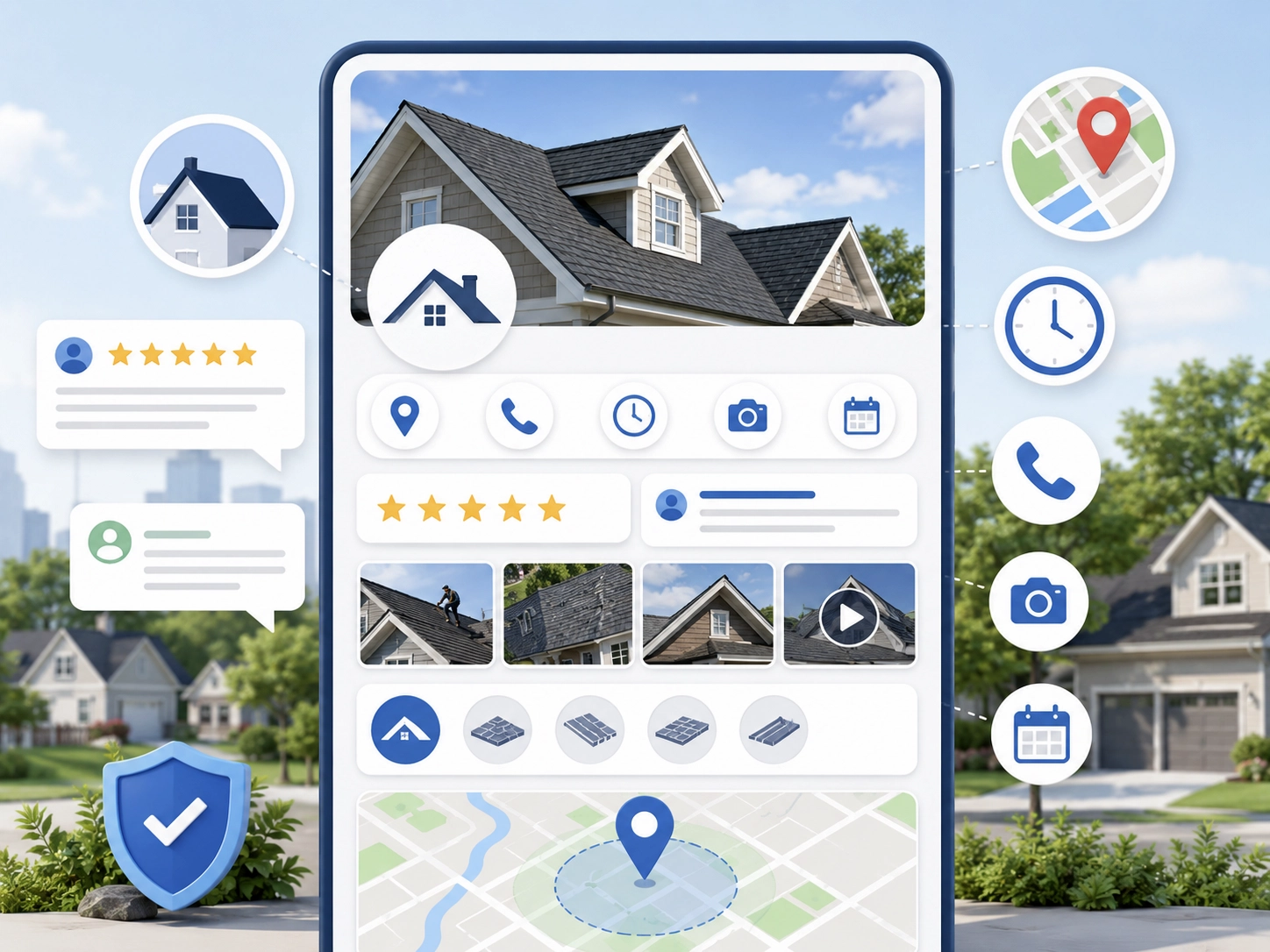
To optimize your Google Business Profile, make sure the name, categories, hours, services, photos, address, and phone number are accurate. A complete profile helps Google connect the company with local searches, map results, and nearby homeowners. It should also link to the most relevant page when a specific service or location page better matches the search.
Review the main profile fields before making broader local updates:
- Primary and secondary categories.
- Business hours.
- Roofing services.
- Service area.
- Photos and videos.
- Appointment or contact link.
- Address and phone number.
- Local phone number.
- Reviews and owner responses.
Secure and Fix the Site
HTTPS protects the information users send through forms and browsers. Forms should collect only the details needed to respond to a service inquiry, and plugins should be kept up to date to reduce security risks. Broken links, crawl errors, redirect chains, and mobile layout issues should be checked because they can hurt both usability and crawling.
A basic technical audit should focus on the homepage, service pages, location pages, and contact pages first. Check indexing issues, XML sitemap status, Core Web Vitals, HTTPS setup, broken internal links, and structured data errors. Fix issues affecting visibility, page access, and lead paths before making lower-priority edits.
Best SEO Practices for Roofing Businesses
These practices should focus on clarity, relevance, and technical consistency. Search engines need structured signals, while users need direct answers that match their problem. A good page connects both needs without keyword stuffing.
Write Clear Title Tags and Meta Descriptions
A title tag tells Google and users what a page is about. It should include the main service, location when relevant, and a clear page topic. For example, a roof repair page could use “Roof Repair in Austin | Storm Damage and Leak Help.”
A meta description gives users a short preview before they click. It should explain the service, location, and next step without making claims the page cannot support. A simple example is: “Learn about roof repair in Austin, common leak signs, inspection steps, and how to request help from a local team.”
Use Helpful Headings and URLs
Headings organize the page and help readers scan the content. Each heading should introduce a specific topic, such as service details, signs of damage, repair steps, pricing factors, or service locations. Clear headings also help search systems understand the main sections of a page.
A simple URL helps users and search engines understand the page before opening it. Use short paths such as /roof-repair-austin/ instead of long strings with numbers or unclear labels. Keep URLs stable because frequent changes can create redirect problems.
Add Schema and Internal Links
Schema markup gives search engines extra context about a business, service, review, FAQ, or local page. A contractor can use the LocalBusiness, Service, FAQ, and Review schemas when the page content supports them. Schema does not guarantee rich results, but it can help search systems interpret page details.
Contextual internal links help users navigate between related pages and provide search engines with more information about how topics connect across the site. A roof repair page can link to storm-damage, emergency-leak-repair, financing, or local-service pages when relevant. This helps distribute context across the site and supports a clearer user journey.
Optimize Roofing Images
Images help users understand the type of work a contractor handles before they make contact. Project photos can show roof materials, repair examples, storm damage, and finished installations. Each image should support the page’s topic rather than serve as decoration.
Use clear file names, simple alt text, and compressed image sizes. For example, a file name like roof-repair-austin.jpg gives more context than IMG_2048.jpg. Alt text should accurately describe the image, such as “roof repair on a residential home in Austin.”
Local SEO Tips for Roofing Contractors
These tips focus on helping nearby homeowners find the right business. Local search uses signals from the site, Google Business Profile, map listings, citations, reviews, and location-based content. The goal is to demonstrate clear service relevance in the areas where the company operates.
Keep Local Details Consistent
NAP means name, address, and phone number. The same details should appear on the site, Google profile, directories, and local business listings. Inconsistent information can confuse users and search systems, especially when local businesses have similar names.
A Google Map embed on the contact page can help users confirm the business location. It should support clear written details, not replace them. The page should still include service area information, phone numbers, hours, and contact options.
Build Local Pages and Citations
City-specific pages help explain how a contractor serves a defined area. Each page should include local service details, common roof issues in the area, nearby neighborhoods, and contact information. Avoid creating weak pages that only swap city names.
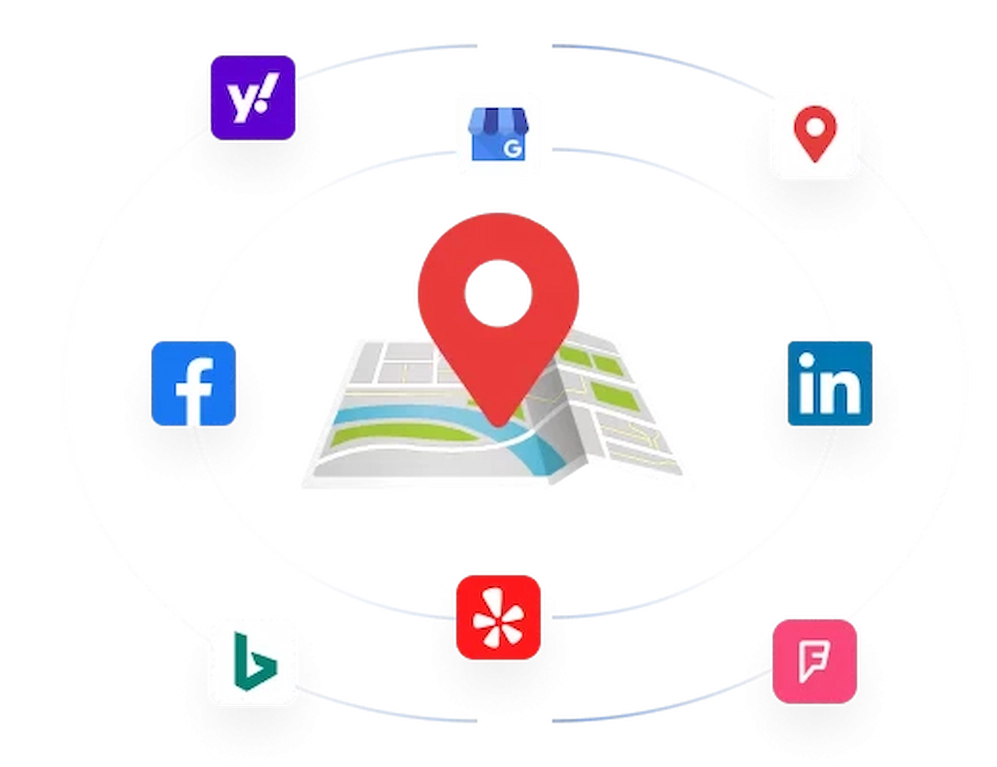
A citation is an online mention of a company’s name, address, phone number, and sometimes site URL. Local directories, trade groups, chambers, and trusted business platforms can support local validation. Citations work best when the data is consistent and the source is relevant.
SEO Strategies for Roofing Companies
SEO strategies for roofing companies should connect content, technical fixes, local pages, and authority signals. A single change rarely improves every part of search performance. A stronger plan builds page quality, topic coverage, and trust over time.
Publish Helpful Roofing Content
Helpful content answers real homeowner questions before they call a contractor. Blog posts can explain roof leak signs, storm damage steps, shingle types, roof replacement timing, and maintenance tips. Each article should link to the related service page when that connection helps the reader.
Homeowners often search before they know which service they need. They may ask about leaks, missing shingles, insurance inspections, roof age, or emergency repairs. Answering these questions helps the site match informational searches and guide users toward the right next step.
Build Safe Backlinks
Backlinks are links from other websites to your pages. Quality matters more than volume because irrelevant or low-quality links pose risks and offer little value. Good sources may include local partners, supplier pages, sponsorship pages, trade groups, chambers, and useful industry resources.
Unsafe link building includes paid link schemes, irrelevant directories, private blog networks, and spam placements. If the site uses sponsorships, partner mentions, or monetized recommendations, review how affiliate links affect SEO to ensure those links remain transparent, relevant, and properly handled.
These tactics can pose risks and may not help the business achieve stable visibility. A safer approach focuses on relevant sources, useful partnerships, local recognition, and content that deserves references.
How Do I Promote My Roofing Business?
You promote a roofing business by combining local search, useful content, reviews, referral signals, and clear lead paths, which is why SEO helps roofing companies win more local leads when site structure and local signals work together.
Organic search can support long-term visibility, while ads, social posts, and email can support shorter campaigns. A balanced approach connects visibility with trust and easy contact.
Turn Traffic Into Leads
Traffic only matters when users can act. Place the phone number, form, and main service links where users can find them quickly. The page should answer basic questions before asking visitors to contact the company.
To rank higher in local search, the business needs a complete Google profile, clear service pages, local citations, reviews, and accurate location signals. It also needs pages that explain where the company works and what services it offers there. This helps users and search systems understand relevance.
Track Progress and Weak Pages
Tracking helps a business understand which pages create calls, form submissions, and booked appointments. Use analytics, call tracking, form tracking, and search console data to measure performance. These tools help separate page visits from real business inquiries.
A weak page may have low traffic, low engagement, missing calls to action, thin content, or poor keyword alignment. Review the search queries, internal links, title tags, and layout before making changes. Improve the page by adding useful content, clearer headings, stronger media, and better local context.
Set Realistic SEO Expectations
Organic search work takes time because search engines need to crawl, index, compare, and evaluate pages. Results can vary based on competition, content quality, site history, local signals, and backlink quality. A contractor should avoid fixed ranking promises or timelines.
The goal is to improve the conditions that support search visibility and lead generation. Better pages can help users understand services, compare options, and contact the business more easily. This does not guarantee calls or rankings, but it gives the site a stronger foundation.
What to Do First
Start with changes that affect both users and search engines. Fix contact paths first, then improve the pages that explain core services. This order helps the site maintain visibility and user action simultaneously.
Use this priority order:
- Fix phone links, forms, and contact paths.
- Update Google Business Profile details.
- Improve main service pages.
- Repair technical issues.
- Add or improve location pages.
- Strengthen internal links.
- Publish helpful supporting content.
- Review performance and update weak pages.
If your roofing site needs a clearer structure, stronger local visibility, or better lead paths, a professional SEO consultation can help identify what to fix first. SSinvent can review your current pages, technical setup, and local search presence to outline practical next steps for your business.