
Vacation Rental SEO: How to Get More Direct Bookings

Getting more direct bookings often starts with better search visibility, useful property content, and a smooth booking experience. A clear vacation rental SEO strategy helps rental websites appear for destination searches, amenity searches, and booking-focused queries such as “pet-friendly cabin in Asheville” or “beachfront rental in Destin.”
Google and other search engines also consider factors such as mobile speed, structured data, internal linking, and page quality when ranking rental websites. Most rental brands treat SEO as a long-term process because rankings and organic traffic usually grow over time.
Voice Search Local SEO for Local Businesses

Local businesses that show up in spoken search results are not winning by accident. Voice search local SEO is the practice of making your business the answer when someone asks Google, Siri, or Alexa for a nearby service.
The signals that drive those results are the same ones that feed AI Overviews: an accurate Google Business Profile, consistent NAP data across directories, LocalBusiness schema, and a fast mobile site. AI assistants draw on structured, trustworthy sources, so businesses with messy listings, missing hours, or slow pages are skipped regardless of how good their service actually is.
USP for SEO: Meaning, Strategy, Examples, and Tips
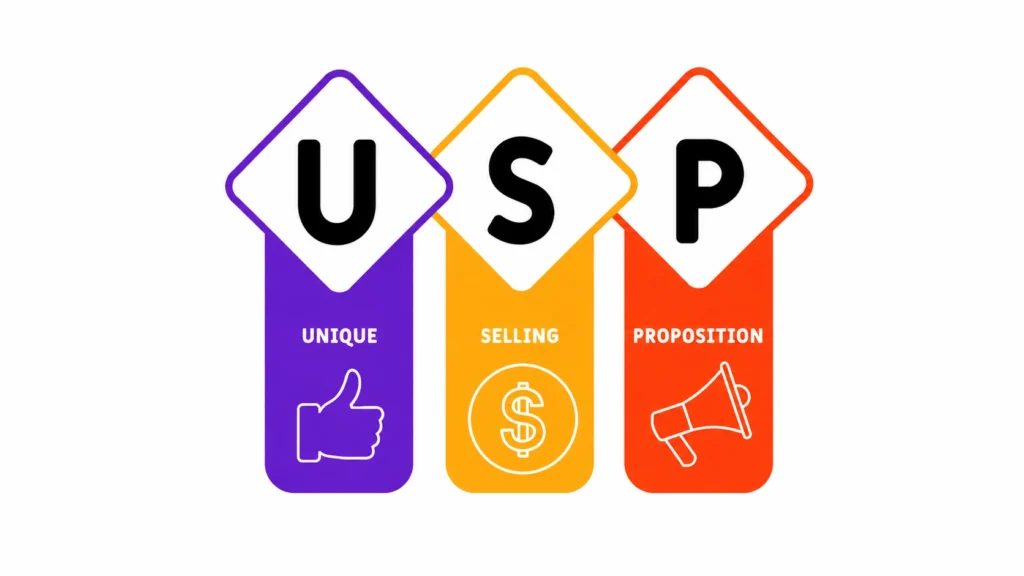
A Unique Selling Proposition (USP) in SEO defines what makes a brand, product, or service different from competitors and turns that difference into clearer search messaging. A strong USP for SEO can improve search visibility, click-through rates, and conversion rates by helping users understand why one result fits their needs better than another.
It can also help turn generic traffic into more qualified visitors by highlighting targeted benefits such as free shipping, higher product quality, stronger customer service, faster delivery, technical expertise, or niche specialization. The strategy works best when the USP connects to keyword intent, page structure, title tags, meta descriptions, landing pages, and useful content.