





When selecting keywords to focus on within a thematic group, we'll dial in on the ones primed to drive qualified traffic to key conversion points on your site.
We’ll make thoughtful recommendations to help communicate the value of your pages in search with title tags and meta descriptions that are informative, intriguing, and optimized for clicks.
We’ll outline ways to improve your website’s structure, from internal linking to URLs so your site is easy for users and search crawlers to understand and navigate.


Last updated:
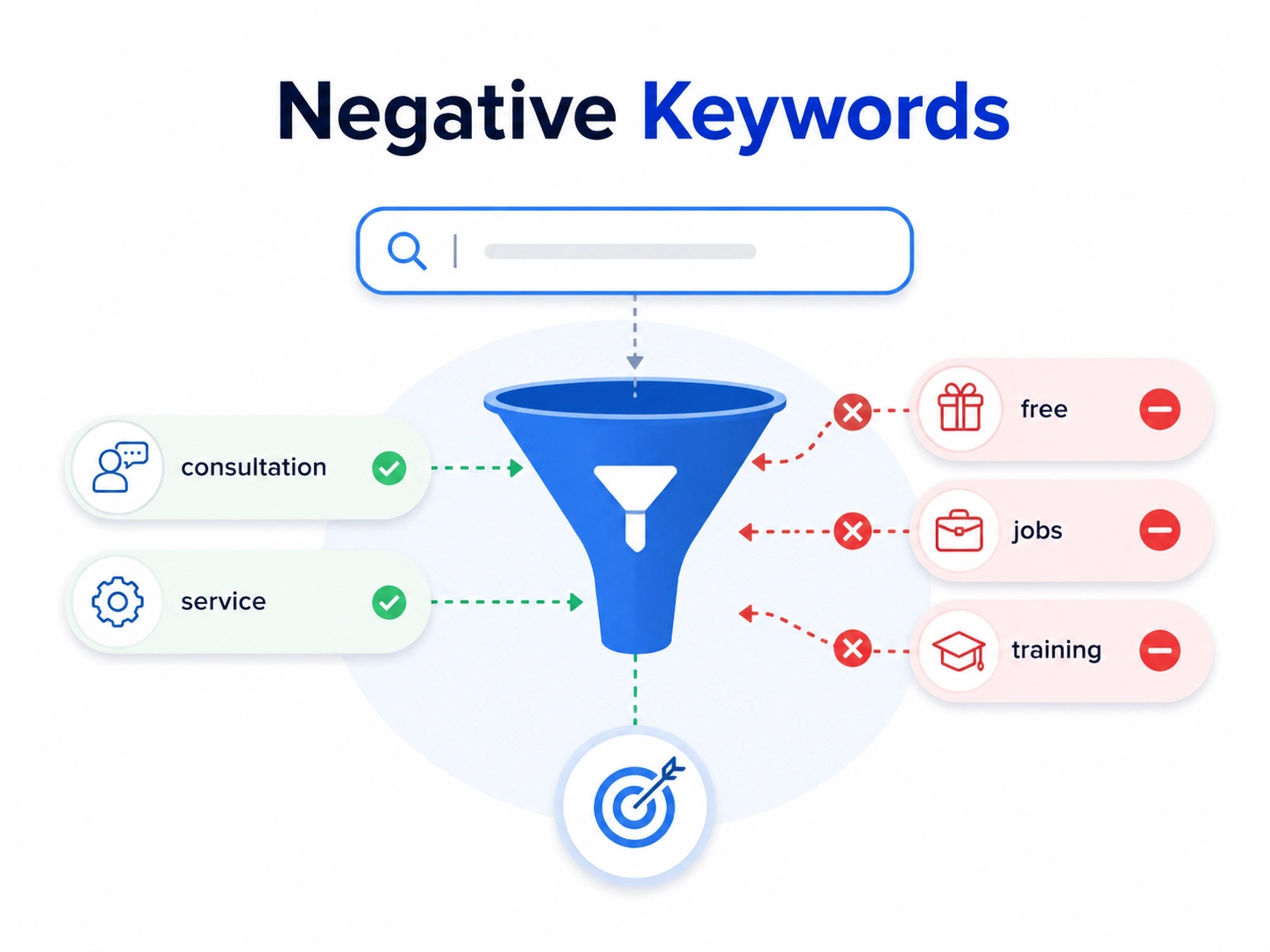
Negative keywords are terms that prevent paid ads from showing when a search contains a certain word or phrase. In SEO, they do not serve as a direct organic ranking control, but they help teams identify search intent that does not align with a page, offer, or audience.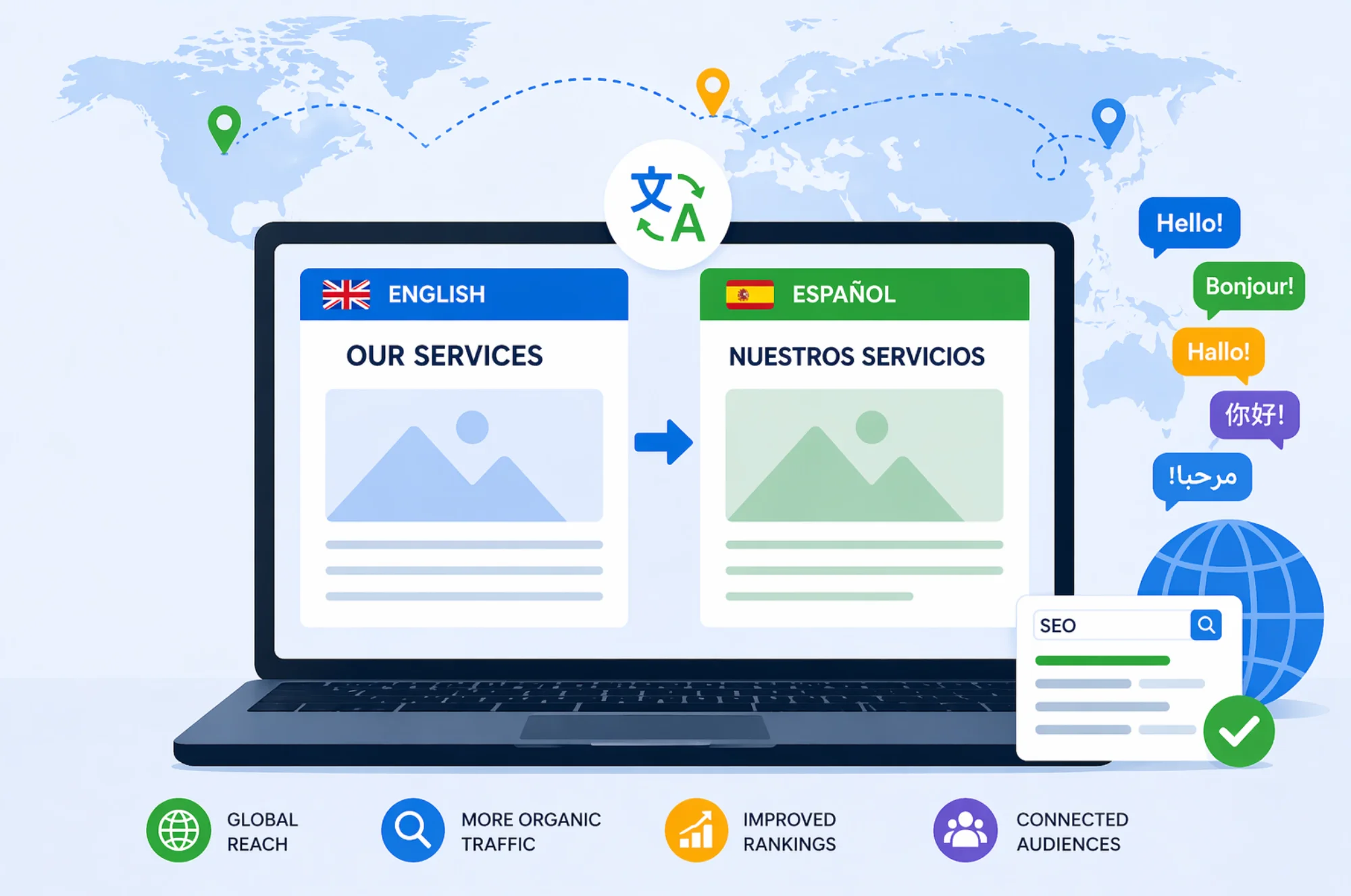
SEO translated content is website content that has been translated and rebuilt to rank in another language, using keywords researched in that language, localized metadata, and technical signals such as hreflang.
A working strategy rests on one principle: translation and optimization are two separate tasks that must happen together. Standard translation only converts meaning.
A proper SEO approach adds native keyword research in the target language, content structure adapted to local search behavior, and translated on-page elements such as meta tags, URL slugs, and image alt text, all built on locally validated search terms.
Building an SEO strategy for translated content takes more than translating existing pages. Each market has its own search behavior, keyword landscape, and technical requirements, and you must address them independently.
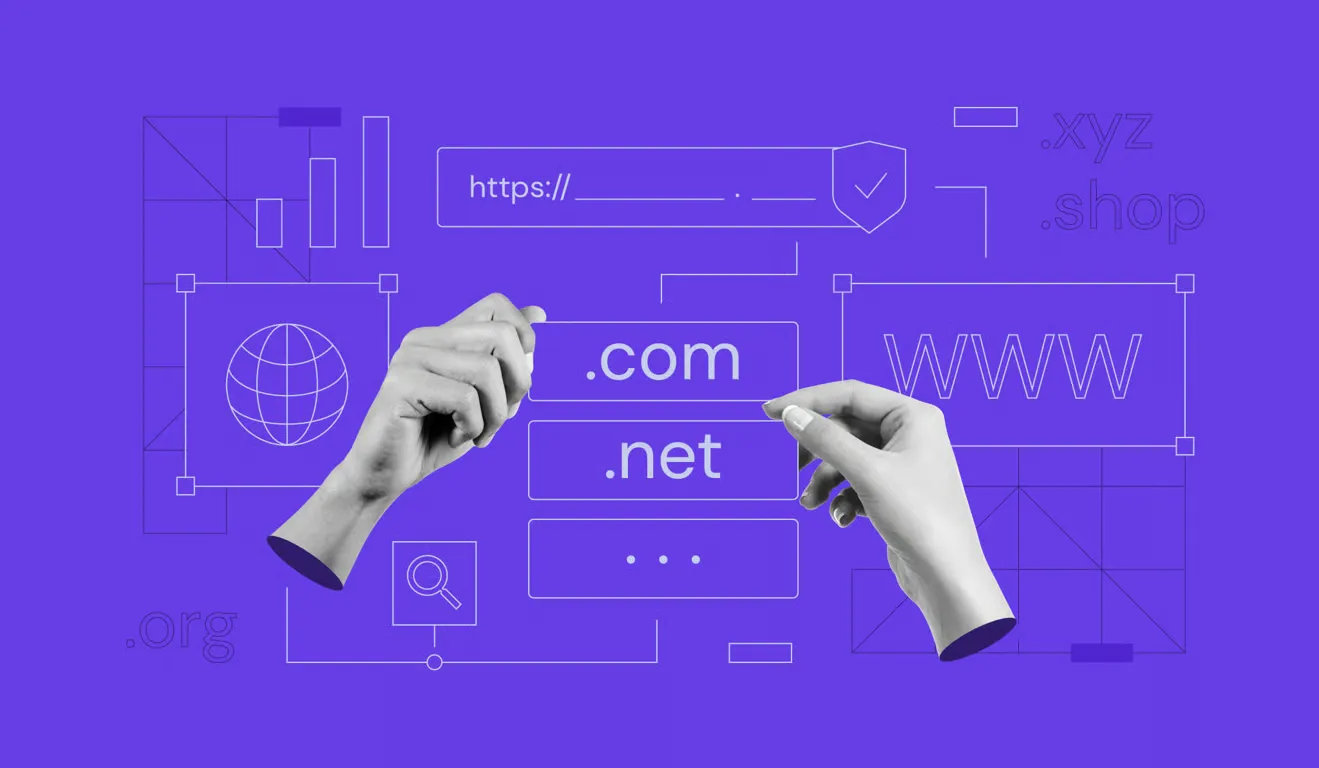
Does domain forwarding affect SEO? Yes, and the result depends on how you set it up. A permanent 301 redirect passes ranking signals from the original URL to the destination URL, while masking, temporary redirects, and redirect chains can cause duplicate content issues, redirect loops, or ranking drops.
Domain forwarding SEO covers how redirecting one domain to another changes indexing, link equity, and rankings. At SSinvent, technical reviews often assess how forwarding changes indexing and crawl behavior. This guide explains how it works, its risks, and how to use it as part of a clear SEO and domain redirect strategy.
On-page SEO refers to the practice of optimizing individual web pages to improve their search engine rankings and attract more relevant website traffic. Unlike off-page SEO, which focuses on external signals like backlinks, on-page SEO is entirely within your control. It encompasses various elements, including but not limited to, content quality, keyword use, metadata and h1 tag optimization, website architecture, and internal linking.