

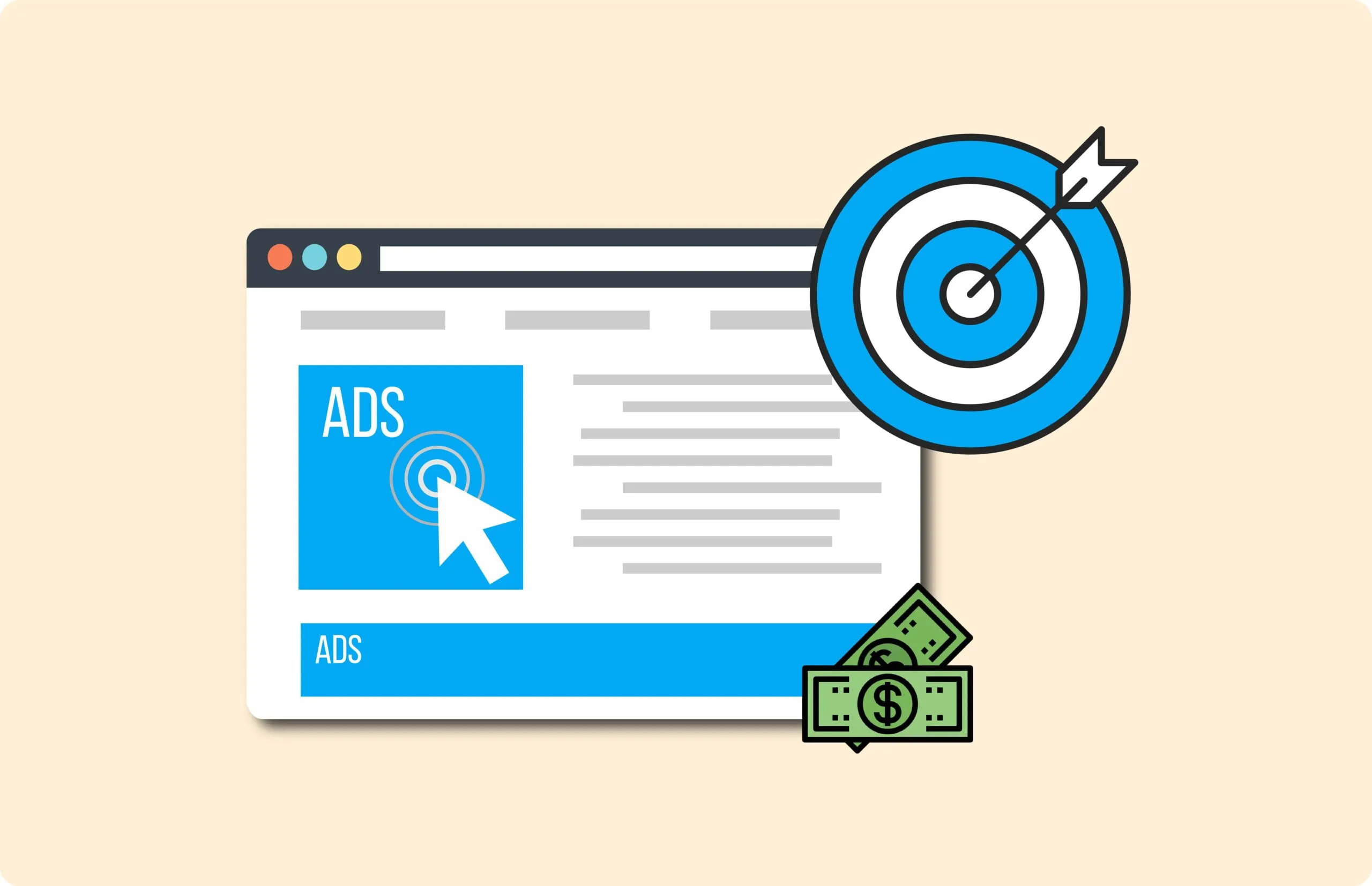
Retargeting vs. remarketing strategies help brands re-engage people after they visit a website, browse products or services, or leave without converting. In SEO remarketing, organic traffic creates the first audience signal, while ads, email, and audience segments help bring qualified visitors back later.
SSinvent, based in Austin, works across technical SEO, content marketing, strategic backlinks, and web development, so this topic directly relates to how search visibility supports downstream conversion paths. The key is to use past behavior responsibly, match follow-up messages to user intent, and measure results without treating remarketing as a direct SEO ranking factor.
Key Takeaways
- SEO remarketing uses organic visitor data to re-engage people through ads, email, or audience-based follow-up.
- Retargeting usually uses paid ads, while remarketing often uses email or list-based outreach.
- Google Ads remarketing works best when audience rules, membership duration, and privacy settings match user intent.
- Strong campaigns connect the original SEO page, the visitor’s behavior, and the next useful action.
- Key metrics include return visitors, assisted conversions, cost per conversion, and audience quality.
What Is Remarketing in SEO?
Remarketing in SEO means using organic visitor data to re-engage users after they have visited your site. A person may read a blog post, compare a service page, view pricing, or leave a shopping cart without taking action. That visit can support later marketing efforts through targeted ads, email marketing, or audience-based follow-up.
SEO brings qualified visitors through search. Remarketing uses later channels to reconnect with those visitors. This helps when a potential customer needs more time, more information, or more trust before making a decision.
How SEO Remarketing Works
Organic Traffic and Audience Data
SEO remarketing starts when someone finds a page through organic search. The visitor may arrive from an informational, comparison, or buying-intent query. Each visit gives context because the page topic shows what the user wanted.
Organic content can create useful audience pools for retargeting campaigns. A strong article, service page, or guide can attract users before they are ready to convert. Later, tracking tools can help brands reconnect with people who showed interest.
Visitor Segments and Search Intent
Visitor segments group users by behavior. One segment may include people who viewed a product page, while another may include people who downloaded a guide. These groups help teams personalize ads based on intent.
Search intent should guide each segment. A beginner-guide reader may need educational follow-up, while a pricing-page visitor may need proof, comparison, or a clear next step. This keeps messaging relevant and avoids broad retargeting ads.
Follow-Up Ads and Conversions
Follow-up ads remind visitors about what they already viewed. These may include display ads, search ads, social ads, or email campaigns, depending on consent and platform rules. The goal is not to chase every visitor, but to reconnect with users whose previous interactions show real interest.
A clear retargeting strategy connects the original page, audience segment, and next message. For example, a visitor who reads an SEO audit article may later see a technical SEO checklist. This path works better than showing the same message to every user.
Retargeting vs. Remarketing
Key Differences
Retargeting usually uses paid ads to reach users after they visit a site or take a tracked action. These ads often appear across websites, social platforms, or search networks. Retargeting focuses on visibility after someone has interacted with your brand.
Remarketing often refers to email-based follow-up with users who shared an email address or joined a list. In practice, platforms sometimes use both terms loosely. For clarity, define retargeting as ad-based follow-up and remarketing as email or list-based re-engagement.
Best Use Cases
Retargeting works well when users visit your site but do not submit a form, request a quote, or complete checkout. It can also support brand awareness by keeping your message visible after the first visit. This is useful when users compare several providers.
Remarketing works well when the brand has permission to contact users. Email campaigns can share guides, reminders, product information, or next-step resources. Rodrigo César and Christopher Cáceres, as SSinvent’s industry professionals, would treat these channels as separate but connected parts of a digital marketing strategy.
How to Create a Remarketing List in Google Ads
Audience Rules
To create a remarketing list in Google Ads, define who should be included in the audience. You can build a list around users who viewed specific URLs, visited key landing pages, or completed certain actions. Audience rules should match user intent.
A list for blog readers should not receive the same message as a list for cart abandoners. Better rules make each remarketing campaign easier to control. They also help teams measure which audiences bring meaningful actions.
Membership Duration
Membership duration determines how long someone remains on an audience list. Shorter durations may fit urgent purchases or event-based offers. Longer durations may fit B2B services, high-value purchases, or research-heavy decisions.
This setting should reflect the sales cycle. If users see ads long after their original need has passed, the campaign may feel irrelevant. Good duration settings protect both budget and user experience.
Privacy Settings
Privacy settings matter because remarketing depends on user data. Brands should explain tracking, consent, ad personalization, and opt-out choices in clear terms. This supports trust and helps users understand why they see follow-up messages.
If users feel they are being tracked in a confusing way, the campaign can weaken confidence. Clear privacy language helps protect user trust. It also supports responsible campaign management.
How to Run a Remarketing Campaign in Google Ads
Landing Page Alignment
A remarketing campaign should direct users to a page that aligns with their prior behavior. If someone views a technical SEO page, the ad should not send them to a broad homepage unless that page provides the next-best answer. Landing page alignment keeps the path logical.
The ad message should also match the original search intent. A user who searches for “SEO audit checklist” may need a practical resource rather than a direct sales message. Strong alignment improves clarity and user experience.
Content-Based Audiences
Content-based audiences use the pages users viewed to guide follow-up. A person who reads about backlinks may receive a backlink checklist. A person who views pricing may receive a comparison page or a case-based resource.

This method uses content as a signal. It helps teams avoid broad targeting. The more specific the audience, the easier it becomes to write relevant messaging.
Frequency Control
Frequency control limits how often users see ads. Without it, retargeting campaigns can feel repetitive or intrusive. Good frequency control respects attention and protects the budget.
Repeated impressions do not always add value. A campaign should remind users, not pressure them. This makes the experience clearer and less disruptive.
The 3-3-3 Rule in Marketing
The 3-3-3 rule in marketing can guide simple follow-up planning. For remarketing, it means one clear message, one defined audience, and a controlled sequence of touches. The rule should support structure, not replace performance analysis.
In SEO remarketing, this helps avoid scattered messaging. A user who visited your site for one topic should not receive unrelated ads. Clear follow-up makes the campaign easier to understand.
SEO Remarketing Benefits
More Return Visits
SEO remarketing can increase return visits from users who have already shown interest. Many visitors leave before converting, especially when the decision requires research. A returning visitor often has more context than a first-time visitor.
Return visits do not guarantee rankings. They can still support business goals by creating more chances for users to read, compare, and act. The value comes from reconnecting with qualified users.
Better Conversion Paths
Remarketing connects early-stage content with later-stage actions. A blog post may answer a basic question, while a later ad may point the user to a comparison guide, demo page, or contact page. This creates a clearer path from awareness to decision.
The best conversion paths reflect user intent. They do not treat every visitor as ready to buy. They give users the next useful step based on what they have already explored.
Stronger Content ROI
Content ROI improves when organic pages support future campaigns. A guide that attracts qualified visitors can become the first step in a larger acquisition path. That makes SEO content more valuable than a single-session visit.
SEO and paid data can also support each other. Keyword intent, audience behavior, and conversion data can shape better content and better ads. This creates a clearer link between content, audience quality, and later conversions.
SEO in 2026 and Remarketing
The Four Types of SEO
The four types of SEO typically include on-page SEO services, technical SEO, off-page SEO, and local SEO. On-page SEO improves content and relevance. Technical SEO improves crawlability, speed, indexing, and access.
Off-page SEO builds authority through links and mentions. Local and hyperlocal SEO supports location-based searches. Remarketing does not replace these areas, but it can reconnect with users who discover the site through them.
Why SEO Is Evolving
SEO is not dead in 2026, but it now requires a stronger understanding of SEO 4.0 and how search behavior is changing. It is evolving because search results include AI summaries, richer SERP features, stronger competition, and higher content standards. Brands need content that answers questions clearly.
Remarketing fits this shift because search journeys are not linear. A user may discover a brand through search, leave, compare options, and return later through ads or email. SEO and remarketing work best when each channel respects that journey.
SEO Remarketing Metrics
Return Visitors
Return visitors show whether campaigns bring people back after the first session. This metric helps teams understand whether follow-up messages align with user interests. It should be reviewed with page engagement and conversion data.
Assisted Conversions
Assisted conversions show how remarketing supports a conversion path without always being the final click. SEO may start the journey, while retargeting may help continue it. Both channels can support the same final action.
Cost per Conversion
Cost per conversion shows how much the campaign spends for each completed action. This helps compare audience quality across segments. A list built from high-intent SEO pages may perform differently from general blog traffic.
Audience Quality
Audience quality indicates whether a segment aligns with business goals. Good signs include relevant page views, repeat engagement, form activity, or product interest. Poor signs include short visits, low intent, and weak follow-up engagement.
Common SEO Remarketing Mistakes
Broad Targeting
Broad targeting groups too many visitors together. A blog reader should not always receive the same message as someone who abandoned a shopping cart. These users have different intent levels.
Strong campaigns separate informational, commercial, and transactional visitors. They also exclude users who are not relevant. This keeps targeting focused.
Generic Ads
Generic ads ignore previous behavior. They repeat broad brand claims instead of answering the user’s next likely question. This makes the message feel disconnected from the first visit.
Better ads reflect previous interactions. If a user viewed a service page, the ad can point to a comparison or checklist. If a user reads an educational post, the ad can offer a deeper guide.
Weak Tracking
Weak tracking makes campaigns hard to evaluate. If teams do not track audiences, conversions, and landing page paths correctly, they cannot see what worked. This can lead to poor decisions.
Tracking should connect organic entry pages, audience lists, ad messages, and conversion events. It should also follow privacy rules and platform policies. Clean tracking helps teams learn without creating a poor user experience.

Build SEO Remarketing with SSinvent
A clear SEO remarketing plan starts with search intent, content quality, tracking, and responsible audience use. SSinvent’s work across technical SEO, content marketing, strategic backlinks, and web development provides a practical foundation for this topic, as each area affects how users find, read, trust, and revisit a website. The strategy should explain what data is collected, why the user sees follow-up messages, and what the next step the content supports.
A strong plan does not treat remarketing as a shortcut. It uses SEO to attract the right users and uses retargeting or email to continue the conversation with relevance. That balance keeps the strategy useful, measurable, and easier to trust.