

Mastering the art of SEO and content marketing is essential for sustainable growth.
At Ssinvent, we combine search engine optimization and strategic content creation to help businesses improve online visibility, reach their target audience, and convert visitors into customers.
This guide explores how both practices work together, supported by Rodrigo César’s and Christopher Cáceres’s expertise to deliver long-term results.
 SEO involves both on-page and off-page elements. On-page SEO, or page SEO, includes optimizing metadata, headers, internal links, and keyword usage. Off-page SEO refers to link building and authority signals from external sites. When done correctly, these efforts increase online visibility and conversion rates.
 According to HubSpot, companies that publish 16+ blog posts per month get 3.5x more traffic than those that publish four or fewer.
Content supports internal linking strategies, guiding users and search engines through your site. This boosts dwell time and improves the performance of high-value landing pages.
According to HubSpot, companies that publish 16+ blog posts per month get 3.5x more traffic than those that publish four or fewer.
Content supports internal linking strategies, guiding users and search engines through your site. This boosts dwell time and improves the performance of high-value landing pages.
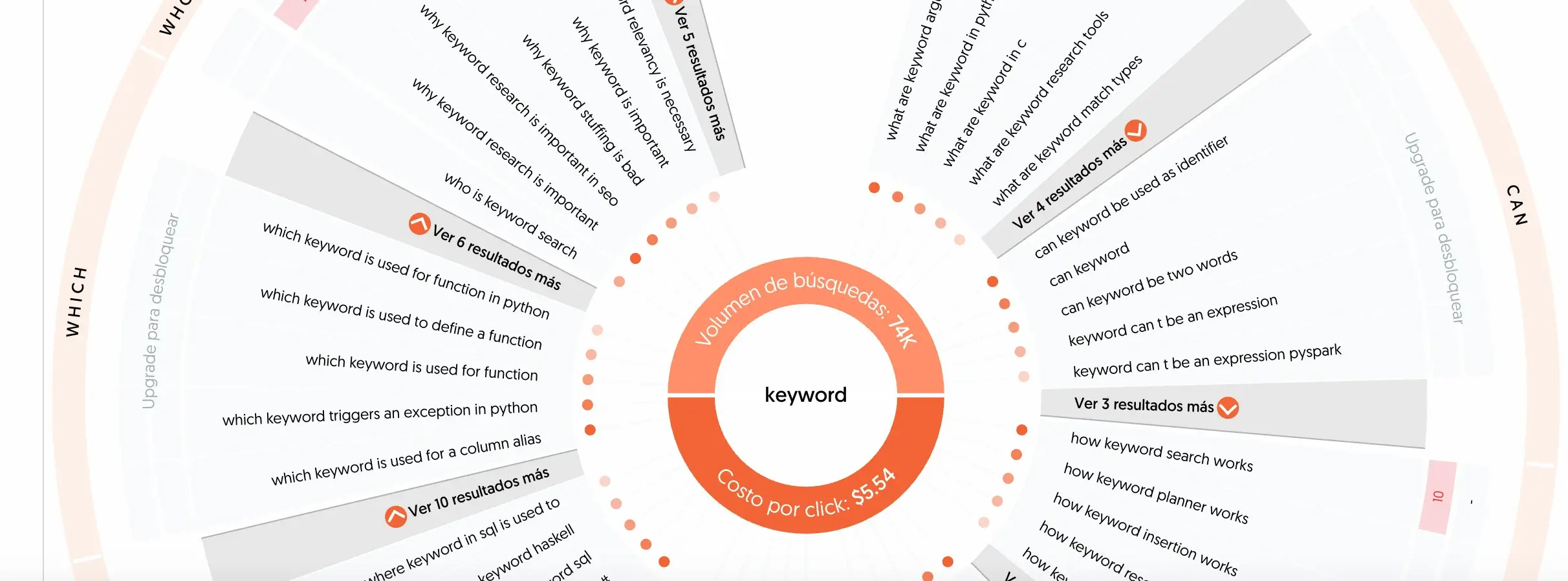 You can use tools like Semrush, Ubersuggest, or Answer the Public to generate keyword ideas, analyze trends, and uncover common user questions.
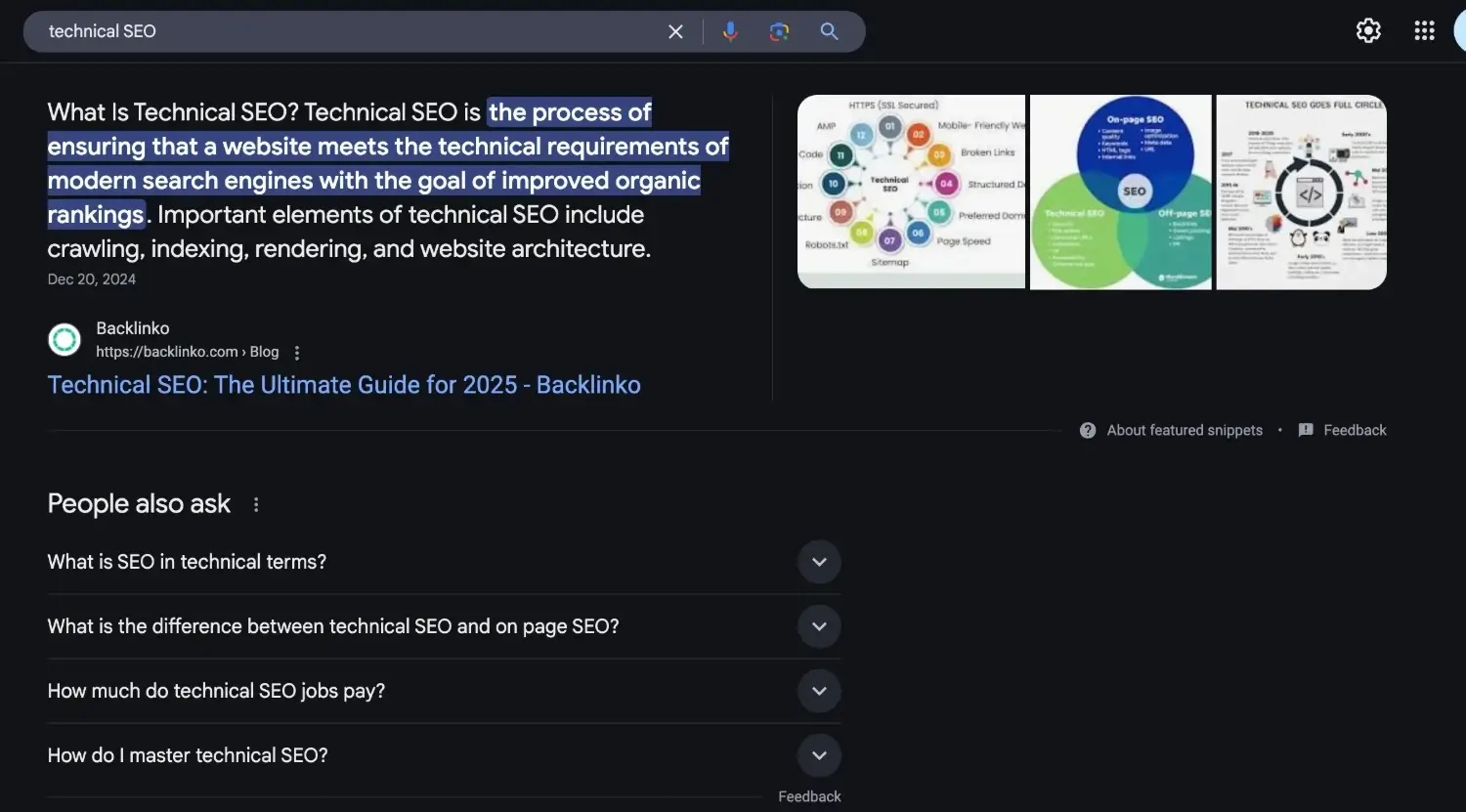 For example, targeting “technical SEO” involves creating an infographic and a detailed guide with internal links to related articles and CTAs for consulting services. Each element is optimized to improve SEO performance and support business goals.
At Ssinvent, we use an SEO content strategy template as a lead magnet to attract new clients. It is a strategic tool and educational resource demonstrating our expertise. On Content Marketing, you can apply the same tactic in your SEO approach: package your content strategy framework into a downloadable format and offer it in exchange for leads.
👉 Want to see how it works? Download our free SEO Content Strategy Format here and start using it in your campaigns!
For example, targeting “technical SEO” involves creating an infographic and a detailed guide with internal links to related articles and CTAs for consulting services. Each element is optimized to improve SEO performance and support business goals.
At Ssinvent, we use an SEO content strategy template as a lead magnet to attract new clients. It is a strategic tool and educational resource demonstrating our expertise. On Content Marketing, you can apply the same tactic in your SEO approach: package your content strategy framework into a downloadable format and offer it in exchange for leads.
👉 Want to see how it works? Download our free SEO Content Strategy Format here and start using it in your campaigns!
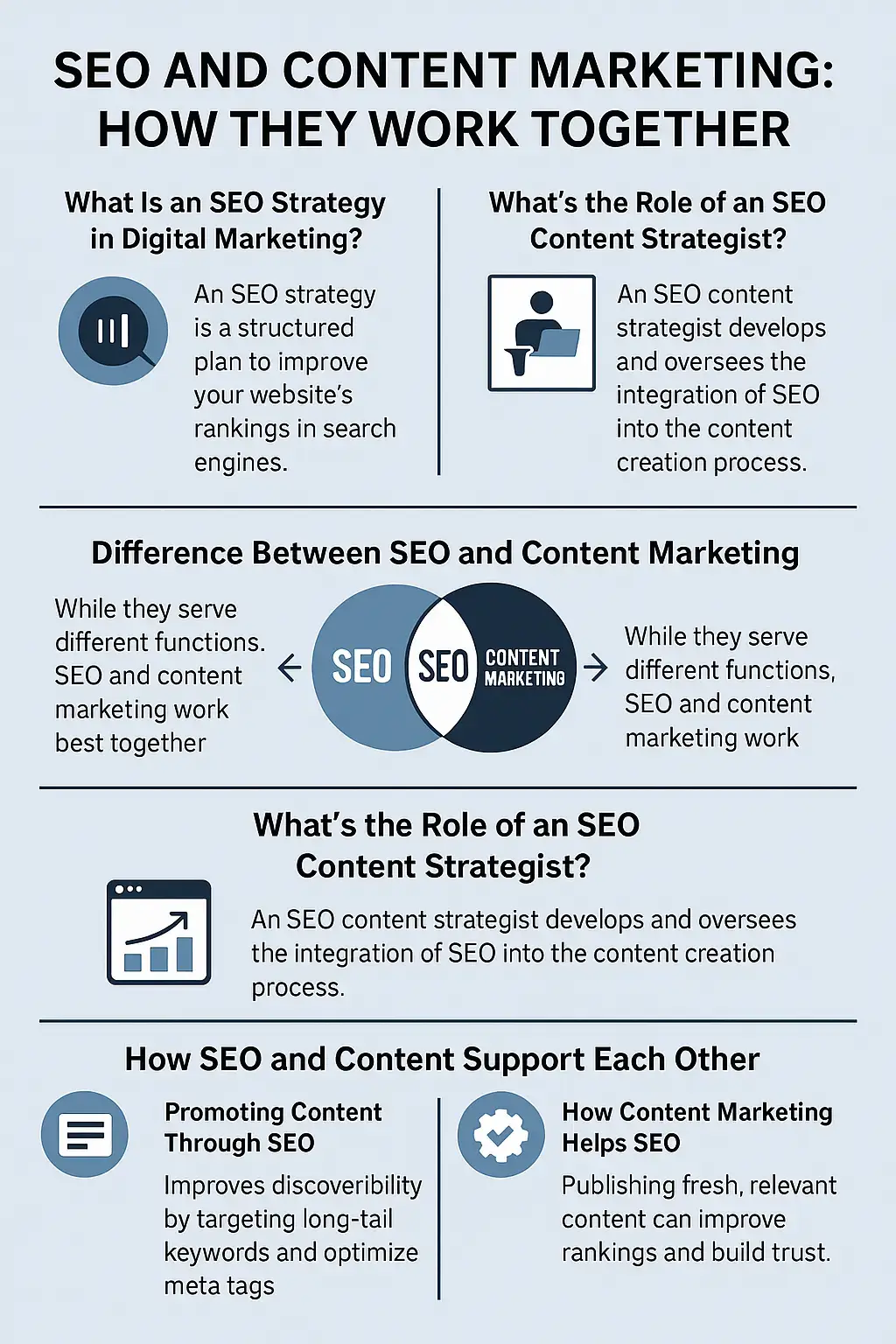 To be honest, half of the images of this post were created with IA; we leverage AI to improve efficiency without losing the human touch. The result is optimized content that meets user needs and complies with best practices.
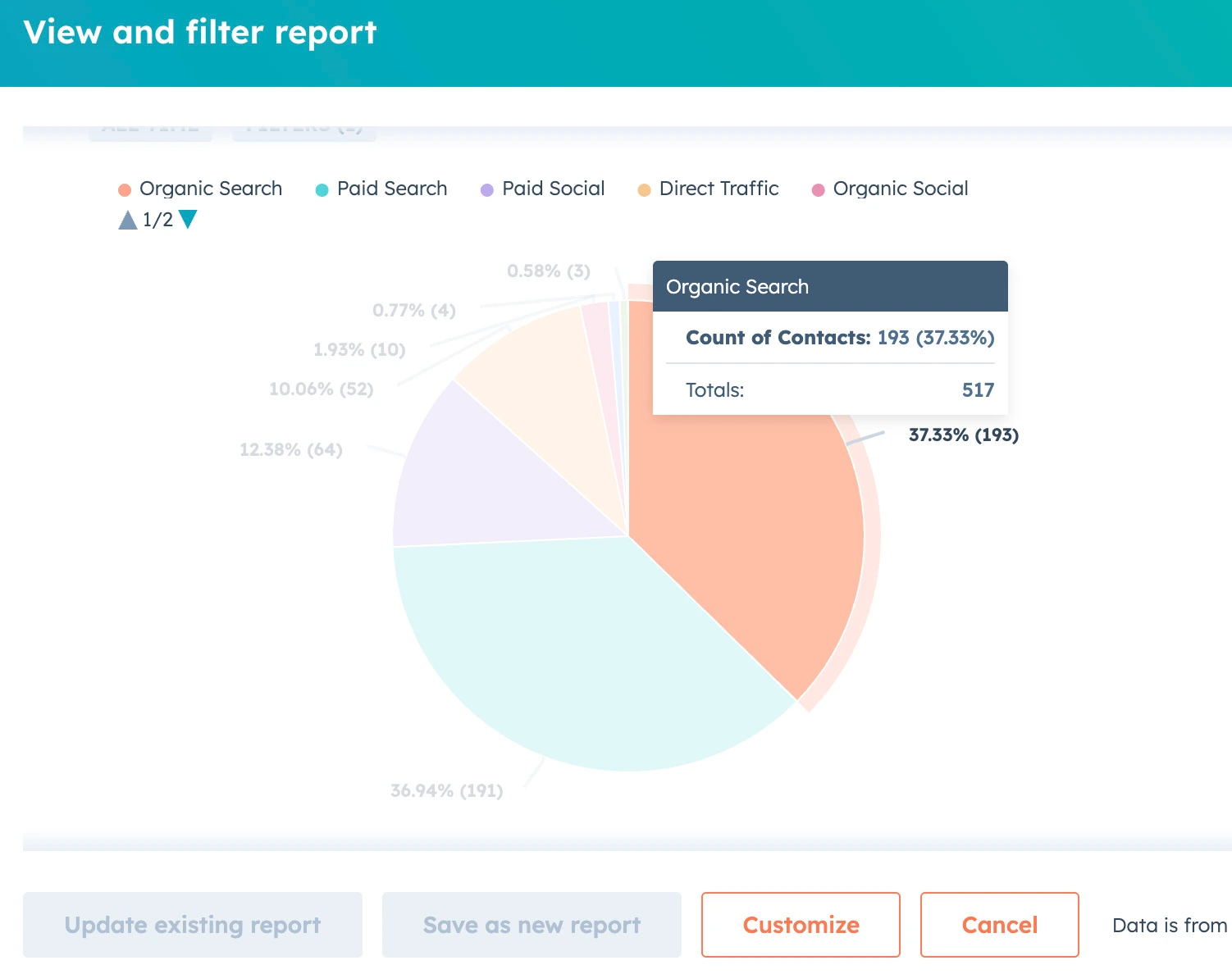 That’s why we integrate CRM platforms like HubSpot to track which contacts came from SEO, which pages rank, and which leads to the most conversions and closed deals. This allows us to continually refine efforts based on real business impact, not just traffic.
Understanding SEO, Content Marketing, and Their Differences
What Is an SEO Strategy in Digital Marketing?
An SEO strategy is a structured plan to improve your website’s rankings in search engines like Google. It includes keyword research, technical SEO improvements, and optimizing web pages to increase organic traffic. The goal is to make your content more visible and relevant to searchers.
SEO involves both on-page and off-page elements. On-page SEO, or page SEO, includes optimizing metadata, headers, internal links, and keyword usage. Off-page SEO refers to link building and authority signals from external sites. When done correctly, these efforts increase online visibility and conversion rates.
What Is Content Marketing in SEO?
Content marketing in SEO refers to creating and distributing valuable content that attracts and retains a target audience. This type of content often answers common questions or solves a specific pain point, positioning your brand as a trusted resource. Each piece of content should be optimized for search engines and built around keywords that match user intent. At Ssinvent, we ensure that every content asset supports broader SEO efforts, driving traffic and boosting engagement.Difference Between SEO and Content Marketing
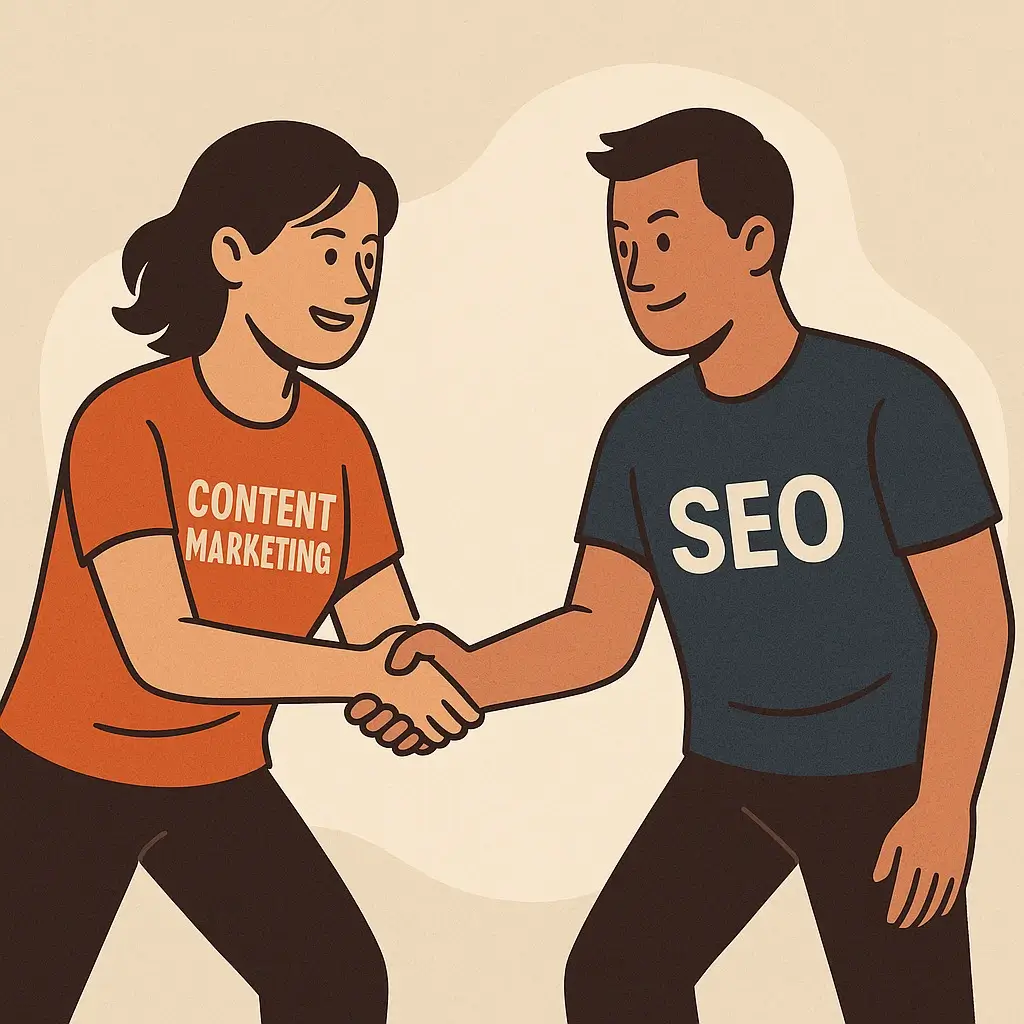
While they serve different functions, SEO and content marketing work best together. SEO focuses on optimizing technical elements and keywords to improve rankings. Content marketing, on the other hand, is about creating meaningful content that meets user needs. SEO ensures that content ranks, while content marketing ensures that it converts. Treating them as one strategy allows you to generate engaging and optimised content for search engines.What’s the Role of an SEO Content Strategist?
An SEO content strategist develops and oversees the integration of SEO into the content creation process. Their job is aligning business goals with content output, ensuring every article, video, or landing page supports SEO objectives. Rodrigo César and Christopher Cáceres at Ssinvent emphasize the importance of strategy in driving sustainable traffic. Their approach combines analytics, competitive research, and editorial planning to produce content that ranks and converts.How SEO and Content Support Each Other
Promoting Content Through SEO
SEO is essential for organic content promotion. Your content becomes more discoverable by targeting long-tail keywords and optimizing meta tags. Google Search Console is a valuable tool for tracking content performance over time. When optimized correctly, each content page contributes to the overall domain authority. This reinforces your SEO foundation and amplifies the impact of future campaigns.How Content Marketing Helps SEO
Content marketing provides the substance that SEO needs to succeed. Search engines like Google prioritize fresh, relevant, and high-quality content. Publishing consistently helps build trust and relevance, which can improve rankings.
According to HubSpot, companies that publish 16+ blog posts per month get 3.5x more traffic than those that publish four or fewer.
Content supports internal linking strategies, guiding users and search engines through your site. This boosts dwell time and improves the performance of high-value landing pages.
SEO-Driven Content Marketing Examples
Examples of SEO-driven content marketing include blog posts optimized for long-tail keywords, FAQ pages targeting voice search, and case studies linked to landing pages. These assets are structured to meet both search intent and business goals. At Ssinvent, we build campaigns around optimized content assets that perform over time, increasing visibility while supporting sales objectives.Planning an Effective SEO Content Strategy
Now that we’ve seen how SEO and content support each other, let’s explore how to create a unified strategy.SEO and Content Strategy Framework
A strong SEO content strategy starts with goal-setting and keyword research. It also includes competitive analysis, topic clustering, and editorial planning. This framework helps ensure consistency and alignment across all content types. Content should be mapped to the user journey, addressing questions at each funnel stage. This approach improves engagement and makes your content more likely to rank.Quick SEO Content Planning Checklist
-
Define your target keyword
You can use tools like Semrush, Ubersuggest, or Answer the Public to generate keyword ideas, analyze trends, and uncover common user questions.
-
Map to search intent
-
Optimize headers and meta tags
-
Include internal links
-
Add CTAs aligned with user intent
SEO Content Strategy Template and Example
A simple SEO content strategy template includes the following:- Target Keyword
- Search Intent
- Content Format (blog, guide, Listicle, etc)
- Title and Meta Description
- Internal Links and CTAs
- URL
- Visual Content Opportunities
For example, targeting “technical SEO” involves creating an infographic and a detailed guide with internal links to related articles and CTAs for consulting services. Each element is optimized to improve SEO performance and support business goals.
At Ssinvent, we use an SEO content strategy template as a lead magnet to attract new clients. It is a strategic tool and educational resource demonstrating our expertise. On Content Marketing, you can apply the same tactic in your SEO approach: package your content strategy framework into a downloadable format and offer it in exchange for leads.
👉 Want to see how it works? Download our free SEO Content Strategy Format here and start using it in your campaigns!
Strategy Planning for 2025 and Beyond
Planning for the future means anticipating algorithm changes and evolving user behavior. In 2025, the focus will likely shift toward user experience, mobile-first indexing, and AI-driven content analysis. Structured data and schema markup will increase visibility, especially for rich snippets. Implementing schema helps Google better understand your content context. Ssinvent is already adapting by emphasizing scalable frameworks and AI tools to maintain consistent content quality across web pages. Staying ahead ensures your content ranks in tomorrow’s search landscape. Believe it or not, this content was almost entirely created with AI, which took about three hours!Enhancing Strategy with AI and Alignment
AI is becoming an increasingly valuable part of the content workflow as we move forward.SEO Content Strategy with AI Tools
AI can streamline content creation by automating topic research, identifying keyword gaps, and suggesting improvements. These tools help teams scale their output while maintaining quality. It can also create cool infographics like this with just the text of this article and one prompt:
To be honest, half of the images of this post were created with IA; we leverage AI to improve efficiency without losing the human touch. The result is optimized content that meets user needs and complies with best practices.
Aligning SEO and Content Marketing Goals
For the best results, SEO and content marketing teams must collaborate. Alignment ensures that every piece of content serves a dual purpose: solving user problems and supporting search engine optimization SEO. Shared KPIs, regular strategy reviews, and integrated planning tools help maintain focus. But at Ssinvent, the ultimate goal of any SEO strategy is ROI.
That’s why we integrate CRM platforms like HubSpot to track which contacts came from SEO, which pages rank, and which leads to the most conversions and closed deals. This allows us to continually refine efforts based on real business impact, not just traffic.