

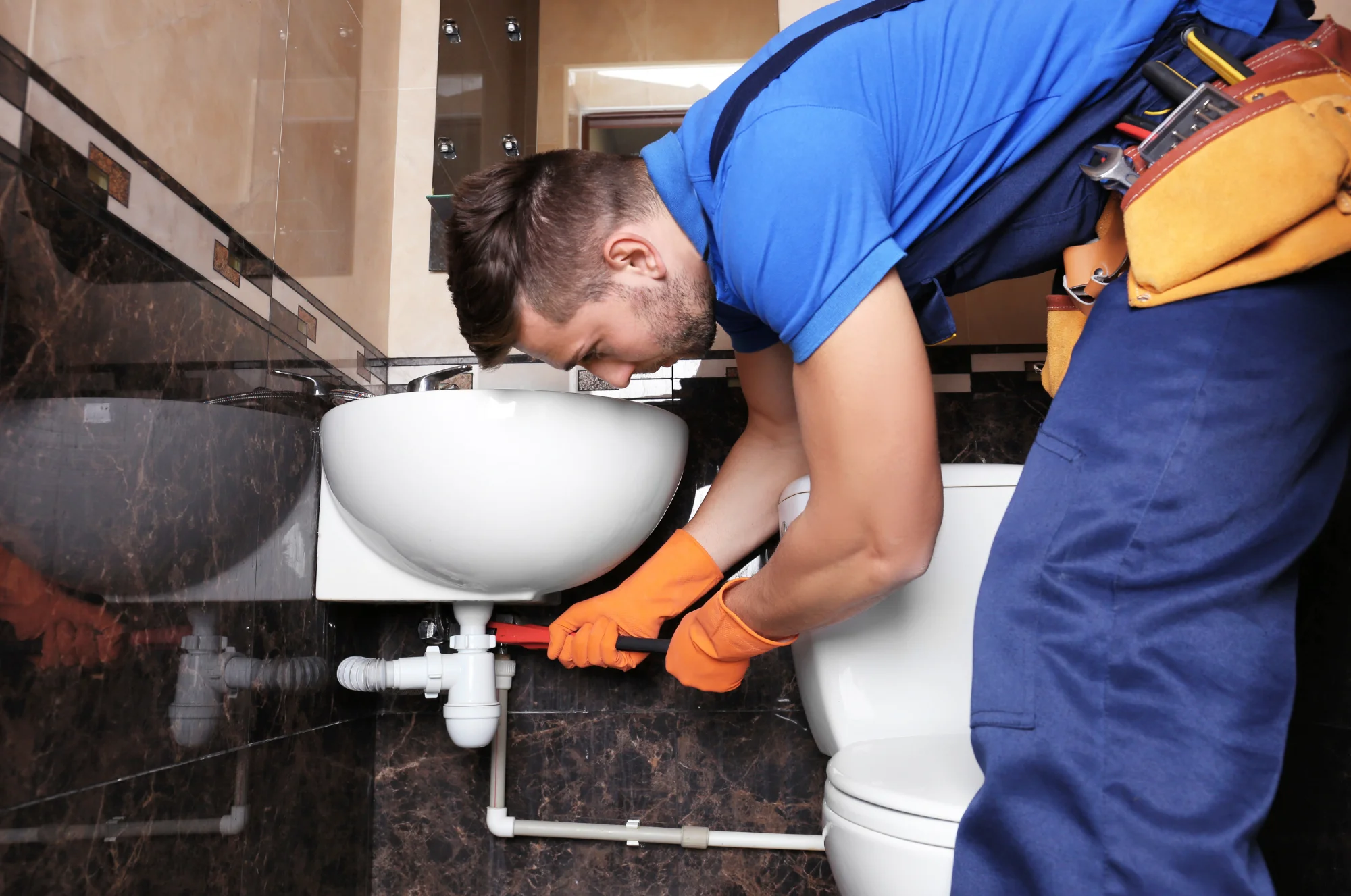
Plumbing SEO keywords help connect a plumbing business with people searching for repairs, installations, or urgent help. These terms match real search needs, such as “water heater repair” or “emergency plumber,” and indicate urgent customer intent.
When used correctly on service pages, blog posts, and meta descriptions, they boost visibility and help optimize your website for easier discovery. At SSinvent, this process is approached through structured keyword research and content alignment, similar to advanced SEO services, rather than guesswork.
Key Takeaways
- Plumbing SEO keywords connect your plumbing business with potential customers by matching real search intents, such as urgent repairs or service needs.
- A strong list of plumbing keywords should include service-based, local SEO, and long-tail keywords, grouped by category to improve relevance and organization.
- Using keywords across service pages, blog posts, and meta descriptions helps optimize your website and improves how search engines understand your content.
- Local SEO plays a key role by targeting location-based searches, making it easier for nearby users to find your plumbing service.
- Avoid mistakes like keyword stuffing or ignoring intent, and focus instead on clear, specific keywords that align with what users are actually searching for.
What Are the Plumbing SEO Keywords?
SEO keywords are specific words or phrases that users type into search engines when looking for a plumbing service or information. These can include broad terms like “plumbing company” or more detailed queries such as “drain cleaning near me.” Each keyword reflects a different level of intent, which helps search engines match content to user needs.
Understanding keywords starts with identifying how people search for services. Some users want general information, while others are ready to hire a plumbing contractor.
This difference in search intents affects how keywords should be used across a website. Clear alignment between keywords and user needs improves both visibility and relevance for potential customers.
Rodrigo César and Christopher Cáceres often emphasize that keywords are not isolated terms but part of a structured system. A strong keyword strategy considers context, intent, and placement across different content types. This approach supports consistent communication between search engines and website content.
Best Plumbing SEO Keywords and Lists
A well-built plumbing keywords list includes both high-volume and high-intent terms. High-intent keywords often relate to urgent needs, such as “emergency plumber” or “water heater repair.” These terms usually align with users who are ready to act, which makes them important for reaching potential customers.
Top plumbing keywords also include core service terms like “plumbing service,” “drain cleaning,” and “plumbing contractor.” These keywords define the main offerings of a plumbing company and should appear in key sections of the website. Including them naturally helps search engines understand the scope of services.
A structured keyword list should group terms by category. For example:
- Service-based keywords: drain cleaning, water heater repair
- Urgent keywords: emergency plumber
- Business terms: plumbing company, plumbing business
This grouping makes it easier to map keywords to specific pages and avoid overlap.
Local SEO for Plumbers
Local SEO focuses on connecting a plumbing business with users in a specific geographic area. Many searches include location signals, such as city names or “near me” phrases. These local SEO keywords help search engines deliver results that match the user’s location and intent.
For example, a plumbing company targeting a local market should include location-based plumber keywords on service pages. This includes combinations like “drain cleaning in [city]” or “emergency plumber near me.” These variations improve visibility in local search results and make it easier for potential customers to find nearby services.
Optimizing for local SEO also involves consistent business information across platforms. This includes directories, social media profiles, and website pages. A clear and accurate online presence supports trust and helps search engines verify business details.
SEO for Plumbers: Keyword Strategy
A keyword strategy defines how different types of keywords are used across a website. Long tail keywords play an important role because they target specific user needs. For example, “affordable water heater repair for small homes” is more precise than a general term.
Long tail keywords often have lower competition and clearer intent. They help attract users who already know what they need. This makes them useful for reaching potential customers who are closer to making a decision.
Keyword strategy also requires balancing different levels of intent. High-intent keywords should appear on service pages, while informational keywords can be used in blog posts. This structure ensures that each page serves a clear purpose and avoids confusion.
How to Use Plumbing Keywords?
Using plumbing SEO keywords correctly involves placing them in key areas of a website. These include headings, body content, and meta descriptions, along with updated practices discussed in meta keywords for SEO. Each placement helps search engines understand the page’s topic and optimize your website for better indexing.
Service pages should focus on specific keywords related to each offering. For example, a page about drain cleaning should clearly use the term “drain cleaning” along with related phrases. This improves relevance and helps potential customers quickly identify the service they need.
Blog posts provide an opportunity to target broader or informational keywords and support contextual linking strategies for SEO. These articles can answer common questions and support the overall keyword strategy. Together, service pages and blog posts create a balanced content structure.
Plumbing SEO Tools and Generators
Keyword research tools help identify new opportunities and refine an existing keyword list. These tools provide data on search volume, competition, and related terms. This information helps guide decisions about which keywords to target.
A plumbing SEO keywords generator can suggest variations based on core terms. For example, entering “plumbing service” may generate related phrases like “residential plumbing service” or “24 hour plumbing service.” These suggestions expand the keyword pool and improve keyword coverage.
Competitor analysis is another useful method. Reviewing how other plumbing companies structure their keywords can reveal gaps or opportunities. This process supports a more informed and data-driven approach.

Plumbing Branding and Slogans
Branding in the plumbing industry often features simple, clear messaging. A slogan should reflect the service offered and be easy to remember. For example, a phrase focused on reliability or speed can align with common customer needs.
Keywords can also influence branding decisions. Using specific keywords in taglines or descriptions helps maintain consistency across marketing materials. This approach supports both recognition and clarity.
However, branding should remain separate from keyword stuffing. The goal is to communicate clearly while maintaining a natural tone. A balanced approach ensures that messaging remains effective and readable.
Plumbing SEO FAQs
What Keywords Are Best for SEO?
The best SEO keywords clearly match what the user wants at that moment. For a plumbing business, this usually means using specific keywords tied to real services, such as “emergency plumber,” “water heater repair,” or “drain cleaning.”
These terms indicate strong intent, as the user is likely looking to hire a service rather than just learn. Choosing keywords that reflect clear actions and problems helps connect your content with potential customers who are ready to take the next step.
For example:
- “Emergency plumber near me” → user needs urgent help now
- “Water heater repair cost” → user is comparing options before hiring
- “How to fix a leaking pipe” → user is looking for information
Each keyword targets a different stage, so your content should match that intent.
What Keywords to Use for Plumbing Websites?
Plumbing websites should use a mix of service-based, local SEO, and long tail keywords. This includes terms like “plumbing service,” “drain cleaning,” and location-specific phrases that reflect real user searches.
What Words Are Associated With Plumbing?
Common plumbing-related words help define services and expand your keyword list. These terms enhance content clarity and help search engines better understand your pages.
Examples include:
- Repair
- Installation
- Maintenance
- Pipes
- Leaks
- Drain cleaning
- Water heater repair
- Plumbing service
- Emergency plumber
Each of these words can be combined into more specific keywords that match real user searches.
Common Plumbing SEO Mistakes
One common mistake is keyword stuffing, where too many keywords are added without context, as explained in this article on common SEO mistakes small business owners make.
This can reduce readability and may affect how search engines evaluate the content. Clear and natural language is more effective.
Another issue is ignoring local intent. A plumbing business that does not use local SEO keywords may miss relevant traffic from nearby users. Including location-based terms helps address this gap and reach potential customers.
Targeting low-intent keywords can also limit results. Keywords that do not reflect real user needs may attract traffic without meaningful engagement. Focusing on specific keywords with clear intent improves overall relevance.