


Netlinking SEO is the process of earning or managing links from other websites to help search engines better understand the relevance and trustworthiness of your web pages. Also includes link quality, link context, and the role of incoming links in search engine results and pages.
At SSinvent, this topic connects technical SEO, content planning, and link verb or adjective. Here, we’ll explain why backlinks are important, which methods are safe, and how to assess long-term risk.
Key Takeaways
- Netlinking SEO is the process of earning or managing inbound links from other websites to help search engines better understand the relevance and trustworthiness of your pages. It works best when combined with strong content, sound site structure, and clear internal linking.
- Backlinks still matter because Google algorithms use link signals to evaluate relevance, trust, and page relationships. A few relevant links from strong sources usually help more than many weak links from unrelated sites.
- A strong backlink should be relevant, useful, and placed in a clear context. Link quality also depends on factors such as dofollow vs. nofollow status, anchor texts, and source diversity.
- A good netlinking strategy starts with target pages, search intent, and link-worthy content. Outreach, PR, and market-specific planning should support real page value instead of random link acquisition.
- Netlinking should be reviewed over time through audits that assess source quality, link patterns, and risk. Weak practices such as buying links carelessly, over-optimizing anchor text, or using link wheels can cause problems rather than improve visibility.
What Is Netlinking SEO?
Netlinking SEO refers to getting inbound links from external sites that point to your domain or specific pages. These links from other websites can help search engines understand relationships between topics across web pages. One SEO technique should work with content quality, internal linking, and site structure.
Netlinking vs. Link Building
Many professionals use netlinking and link building in similar ways. Netlinking often covers the broader work of planning, measuring, and improving inbound links. It also overlaps with terms like external linking and natural referencing.
Internal linking refers only to links between pages on the same site. A keyword is the phrase a user types into a search engine, and it helps define what a page should explain.
Are Backlinks Still Important in 2026?
Yes, backlinks still matter in 2026. Google algorithms still use link signals to judge relevance, trust, and page relationships. A link by itself will not increase visibility; content quality and page experience also matter.
Search intent also affects search results. Still, useful inbound links can support stronger placement in search engine result pages when they come from relevant sources.
Quality vs. Quantity
Quality matters more than quantity in netlinking SEO. A few relevant inbound links from trusted, topic-related web pages can help more than many weak links from unrelated or low-value sources.
Google’s algorithms consider context, source quality, and how naturally the link fits the page, not just the total count. This is why a good netlinking strategy should focus on useful incoming links that support real relevance in search engine results.
Relevance, Authority, and Context
A strong link usually comes from content that shares a clear topic with your page. Authority matters, though context also matters because the reason for the link helps search engines interpret value. A review of page authority in SEO can help explain why some links carry more weight than others in the same topic space.
A link placed naturally inside a useful article usually carries more meaning than a random sitewide link.
What Makes a Strong Backlink?
A strong backlink is relevant, clear, and useful for the reader. It points to the right page, appears in context and with purpose, and supports understanding rather than acting as noise. Good profiles also include a variety of sources, which is why many netlinking campaigns aim for different types of trustworthy placements.
Dofollow vs. Nofollow Links
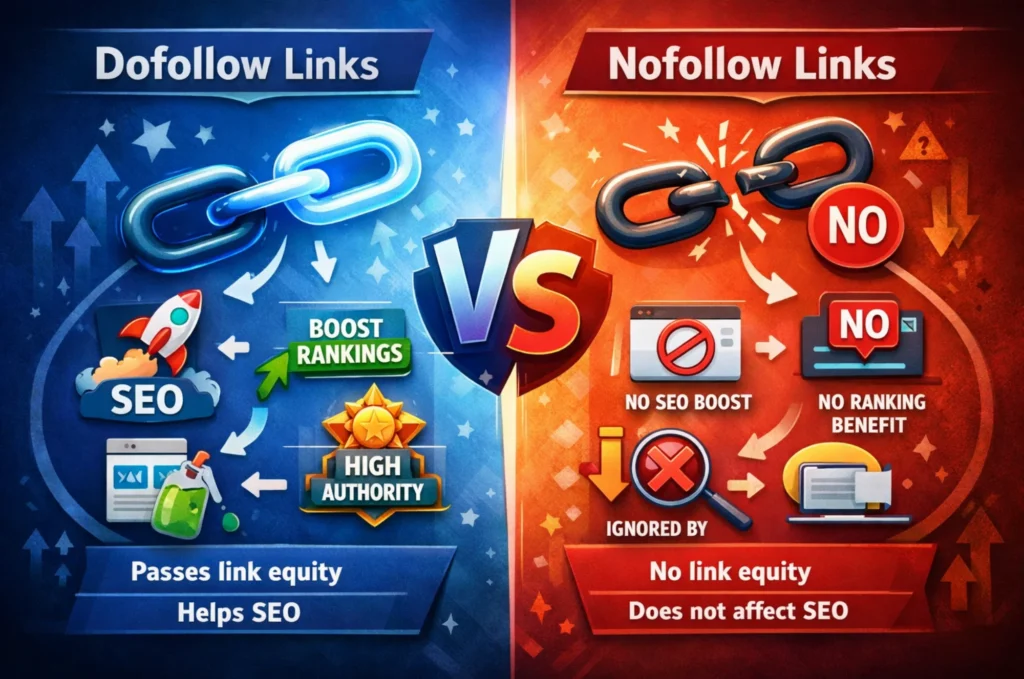
Dofollow and nofollow links are handled differently, though both can serve a purpose. Dofollow links are more often tied to link juice, while nofollow links can still support discovery, balance, and referral traffic. A natural profile often includes both types, but the superior one is usually dofollow.
Anchor Text and Link Diversity
Anchor texts help users and search engines understand what the linked page covers. Repeating the same anchor texts too often can look forced, even when the target page is relevant. Link diversity means using different sources, page types, and phrasing so the profile looks natural.
How to Build a Netlinking SEO Strategy?
A strong strategy starts with goals, target pages, and clear topic themes. You need to know which pages matter most, which keywords they target, and which assets deserve outreach support. Clear netlinking techniques work best when they connect page value, content planning, and link relevance.
Set Goals and Target Pages
Not every page needs the same level of link support. Start with pages that answer clear search intent, support a core service, or fill a gap in the site structure. When those pages are strong on their own, incoming links can reinforce the topic signal.
Use Content, Outreach, and PR
Useful content earns attention more easily than thin or generic pages. Outreach works best when the page offers data, explanation, tools, or a resource worth citing. Content marketing, PR, and service netlinking efforts should all be based on relevance and editorial fit.
This is where SEO and content marketing should support the same topic goals, so outreach points to pages that deserve links
Plan for Local and Global Markets
Some sites need links from local publications, directories, or associations. That process often starts with keyword research for local SEO, so link targets match the terms users search in each market.
Others need broader coverage across countries or languages, which changes the prospect list and topic focus. Natural referencing should reflect the real market instead of a random list of domains. For local businesses, whether Google Reviews help SEO is also a useful question because reviews can shape local visibility signals.
Netlinking Services and Expert Support
Some companies manage netlinking in-house, while others work with a consultant or SEO agency. The main issue is not who sends out outreach, but who can correctly judge relevance, quality, and risk.
Rodrigo César and Christopher Cáceres are industry professionals and experts in technical SEO, content strategy, and link evaluation.
SEO Netlinking Consultant or Agency?
A consultant can be useful when a company needs a focused review and a direct strategy. An agency model may be a better fit when research, outreach, reporting, and coordination require many pages.
In both cases, the process matters more than promises, which is why seo agency work should be judged by method and review standards.
What does a Service Netlinking Plan Include?
A typical plan may include prospect research, content mapping, outreach, placement review, and reporting. It should also define acceptable sources, preferred anchor texts, and the way results will be reviewed over time. Careful service netlinking is more useful than buying links at scale without context or quality control.
How to Audit Netlinking Performance?
An audit netlinking process reviews the quality, pattern, and risk of a backlink profile. It checks which pages receive links, which domains link most often, and whether those links fit the site’s topics and goals. It should also compare link data with page performance in SERPS search engine result tracking tools and other reports.
Tools, Metrics, and Link Quality
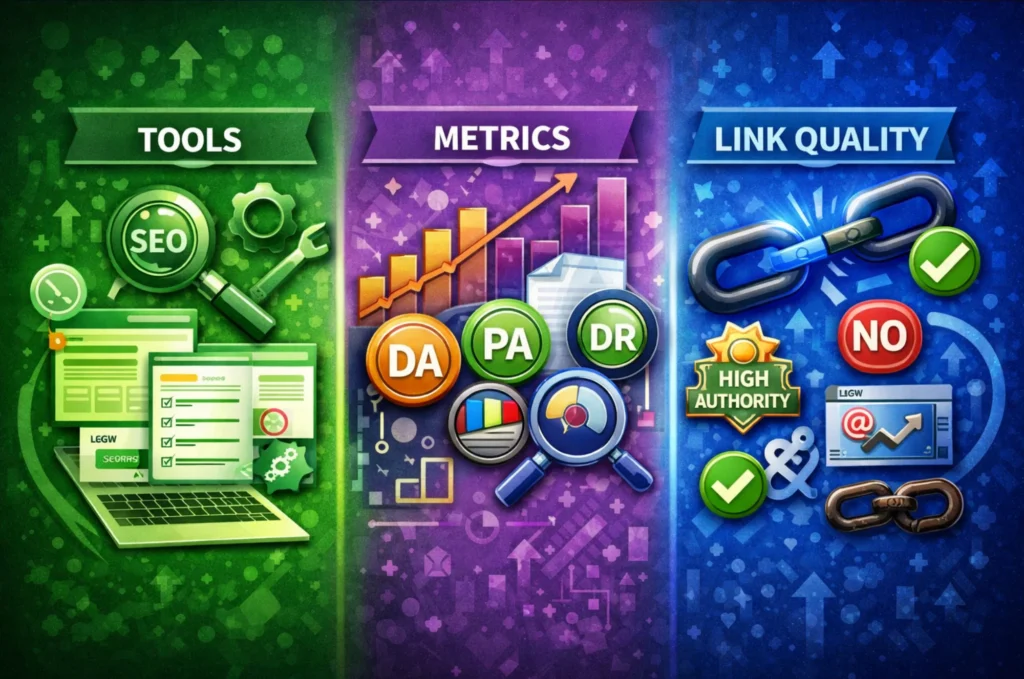
Most audits use tools like Semrush, which show referring domains, follow status, anchor texts, and page-level trends in a single dashboard. Metrics can guide the review, though they should not replace manual judgment about quality and fit. The goal is to understand whether links support relevance and a long-term plan.
When to Remove or Disavow?
Some links need review when they come from spam-heavy sites, irrelevant pages, or patterns that suggest manipulation. Removal requests or disavow files are not the first step in every case, but they may help when a clear risk exists. Careful review is better than reacting to every weak link without context.
Netlinking Mistakes to Avoid
One major mistake is treating netlinking as a numbers game. Large volumes of weak links, copied outreach, and careless placements can create noise instead of trust. Buying links without a strict review can also create patterns that do not help users or align with search guidelines.
What Is a Link Wheel in SEO?
A link wheel is a setup in which several sites link to one another in a planned circle, often to boost a target site. This structure is usually seen as artificial because the links exist to shape signals rather than to help users. It is not a sound model for current netlinking campaigns.
Toxic Links and Over-Optimization
Toxic links come from sources or patterns that may look spam-heavy, irrelevant, or manipulative. Over-optimization often occurs when too many links use the same anchor text or point to the same page. Safe netlinking depends on moderation, relevance, and steady review.
Build Your Netlinking Strategy the Right Way
Netlinking works when it is built on relevance, consistency, and honest source selection. Shortcuts create risk. A steady, well-reviewed approach creates lasting results.
SSInvent helps businesses plan, execute, and audit netlinking campaigns with direct, expert-led support. Get in touch to discuss your strategy.