
Search engines evaluate many signals to understand how a brand is perceived across the web, and this is where brand mentions SEO becomes relevant.
A brand mention occurs when a company name, product, or service is referenced online, even when no link is included. These mentions help search systems assess relevance, trust, and authority beyond traditional SEO signals.
In practice, brand mentions SEO connects reputation, content, and visibility across websites, platforms, and formats. This article explains how brand mentions influence rankings, how search engines interpret them, and how teams such as SSinvent analyze them within modern SEO workflows.
Key Takeaways
- Brand mentions SEO refers to how search engines interpret references to a brand across the web, including both linked and unlinked mentions, to assess relevance, authority, and trust.
- Brand mentions for SEO complement traditional SEO signals by providing contextual information that helps search systems understand how a brand is discussed beyond backlinks.
- Search engines evaluate brand mentions based on context, source quality, and topical relevance, rather than frequency alone.
- Auditing and monitoring brand mentions allows teams to identify unlinked mentions, track changes in real time, and maintain accurate brand representation across platforms.
- Brand mentions matter in modern search environments because AI-driven systems use them to connect brands with topics when generating answers and overviews.
What Are Brand Mentions in SEO
Brand mentions in SEO are instances in which a brand is mentioned online, regardless of whether a clickable link is present. These mentions can appear in blog posts, news articles, forum discussions, reviews, or user-generated content.
When a brand is mentioned in context, search engines can infer that reference from associated topics, entities, and credibility signals. This helps systems understand what a brand represents and how often it is discussed.
From an SEO perspective, the value of a mention comes from context rather than format. A mention for SEO can be linked or unlinked, positive or neutral, and still convey relevance. Search engines analyze language, surrounding topics, and the source of the mention. Over time, mentions of your brand across consistent contexts can reinforce topical authority.
Brand mentions in off-page SEO
Brand mentions are part of off-page SEO because they occur outside a company’s own website. Like backlinks, they signal how other sites and users reference a brand. Unlike links, they do not require a hyperlink to pass informational value. This makes them useful in environments where links are uncommon, such as social platforms or discussion forums.
Off-page brand mentions also reflect natural brand awareness. When a brand is mentioned in independent sources, it suggests recognition beyond owned media. Search engines can use this pattern to understand prominence and credibility. This is one reason brand mentions matter in broader evaluations of authority.
Why Brand Mentions Matter for SEO
Brand mentions matter because they help search engines build a fuller picture of a brand’s presence on the web. Mentions across multiple sources show that a brand is discussed, referenced, and recognized. This complements traditional SEO signals such as on-page SEO services and link building. Together, these signals support ranking assessments.
Another reason brand mentions matter is their role in modern search features. As AI generates answers in tools like Google’s AI overviews, systems rely on entity understanding rather than links alone. Mentions help AI systems connect brands with topics and attributes. This makes mentions relevant for visibility beyond standard search results.
Authority, trust, and visibility
Authority grows when a brand is cited by high-authority sources on relevant topics. Trust is reinforced when mentions are accurate, consistent, and appear in credible contexts. Visibility increases when mentions occur across platforms where users search and discuss information. These three factors often work together rather than independently.
Search engines evaluate authority and trust at scale, not from a single source. A pattern of consistent mentions across domains can support perceived domain authority. This does not replace links; it adds depth to reputation measurement. Over time, mentions shape a brand’s position within search ecosystems.
Brand Mentions vs Backlinks
Brand mentions and backlinks serve different but related roles in SEO. Backlinks are direct signals that pass link equity through a hyperlink. Brand mentions backlinks, by contrast, may or may not include a link but still provide contextual signals. Both help search engines understand relationships between brands and content.
Traditional SEO has focused heavily on backlinks because they are easy to quantify. Brand mentions introduce a qualitative layer that reflects how brands are discussed, not just linked. This distinction matters as search systems move toward entity-based evaluation. In practice, mentions and links often co-occur, but they do not serve the same function.
How brand mentions replace links
In some contexts, brand mentions can serve as substitutes for links as informational signals. For example, a mention in a reputable news article may not include a link but still indicate authority. Similarly, discussions in a Reddit thread may reference a brand without providing a link, but still provide strong contextual cues. These mentions help search engines interpret relevance beyond controlled or owned channels, including efforts supported by offshore SEO teams.
This does not mean mentions replace links entirely. Links still play a critical role in crawling and ranking. However, mentions can fill gaps where links are unavailable or impractical. This balance reflects how modern systems interpret the web beyond simple link graphs.
How Search Engines Evaluate Brand Mentions
Search engines evaluate brand mentions by analyzing language, context, and source quality. They assess where the mention appears, how the brand is referenced, and the surrounding topics. This allows systems to classify the mention as relevant or incidental. Over time, repeated patterns strengthen associations.
Another factor is consistency. If a brand is mentioned across similar topics and industries, search engines can more confidently connect it to those areas. This supports entity recognition, which is central to modern search models. Evaluation focuses on meaning rather than frequency alone.
Context, source, and relevance
Context refers to the surrounding text and the alignment with the topic. A mention within relevant content carries more weight than one in unrelated material. Source quality also matters, as mentions from established or high authority domains are more informative. Relevance ties both elements together.
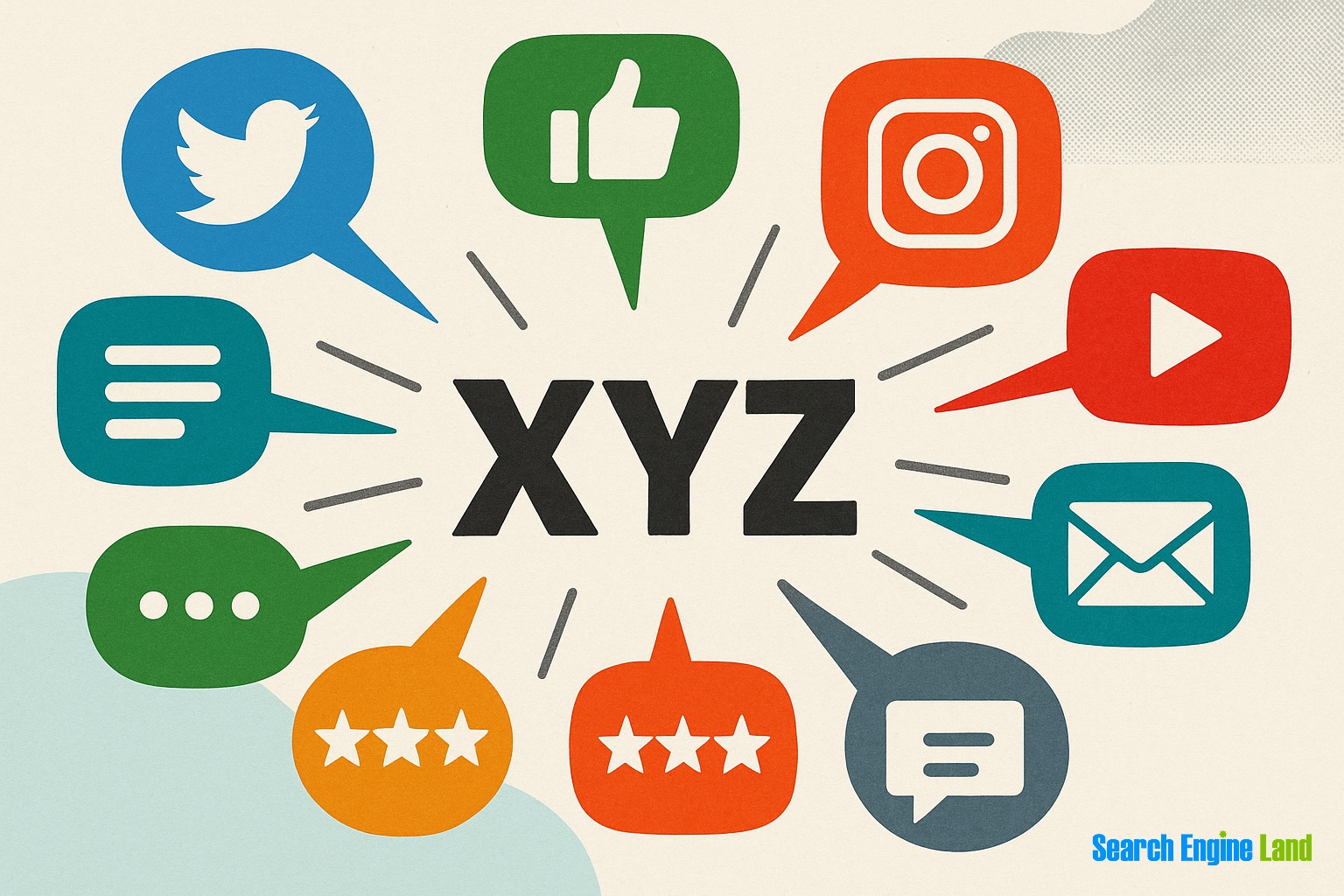
Search engines combine these signals to reduce noise. A casual mention in low-quality content may carry little value. A detailed mention in an authoritative source may carry more. This layered approach reflects how trust is inferred at scale.
Linked vs unlinked mentions
Linked mentions include a hyperlink to the brand’s site, while unlinked mentions do not. Both can be processed for meaning, but they serve different functions. Linked mentions contribute to traditional link signals. Unlinked mentions contribute to entity understanding.
Search engines do not publicly state how much weight each type carries. Evidence suggests unlinked mentions still inform relevance and trust. This makes them useful in environments where links are restricted or discouraged.
Auditing and Monitoring Brand Mentions
Auditing brand mentions involves identifying where and how a brand is referenced online. This process helps teams understand existing visibility and reputation. It also reveals gaps, inaccuracies, or missed opportunities. Regular audits support informed decision-making.
Monitoring extends auditing into an ongoing process. It allows teams to track brand mentions in real time and respond when needed. Together, auditing and monitoring provide a structured way to manage brand presence. This approach aligns with modern SEO and reputation management practices.
Ahrefs brand-mentions use cases
Ahrefs company mentions reports help identify unlinked mentions and brand references across domains. These reports show where a brand is mentioned without a backlink. This can highlight opportunities for clarification or outreach. They also help track changes over time.
Another use case is competitive analysis. By reviewing how competitors are mentioned, teams can identify content gaps. This supports strategic planning without focusing solely on links. Ahrefs brand mentions data fits well into broader SEO audits.
Finding lost and weak mentions
Lost mentions occur when content is removed or altered. Weak mentions may lack clarity, context, or accuracy. Identifying these helps maintain consistent brand representation. It also reduces the risk of outdated information spreading.
Reviewing lost or weak mentions supports trust. When inaccuracies appear, correcting them improves user understanding. This process supports long-term credibility rather than short-term gains.
Alerts, accuracy, and sentiment
Alerts notify teams when new mentions appear. This allows quick review and response. Accuracy checks ensure that mentions reflect correct brand information. Sentiment analysis helps identify whether mentions are neutral, positive, or negative.
These steps help maintain a reliable brand profile. While sentiment alone does not determine rankings, it influences perception. Monitoring supports informed adjustments to creating content and communication strategies.
Brand Mentions Tools and Tracking
Brand mentions tools help collect, organize, and analyze mentions across platforms. Tools like Ahrefs Alerts, SEMrush Brand Monitoring, Google Alerts, BuzzSumo, and Mention vary in scope, cost, and features.
Some focus on backlinks and media coverage, while others track social media, forums, and news sites. Choosing a tool depends on the goals and resources available.
Tracking mentions supports both SEO and brand management. Tools such as Ahrefs, SEMrush, and Majestic also connect mentions to backlink data, helping identify unlinked brand mentions that can be converted into links.
This provides data on where a brand is mentioned, how often, and whether it includes a hyperlink. Over time, this data helps identify trends, link gaps, and authority signals. Effective tools support structured analysis rather than raw counts.
Brand mentions tools: free vs paid
Free tools like Google Alerts often provide basic alerts and limited coverage. They can be useful for small teams or initial monitoring. Paid platforms such as Ahrefs, SEMrush, and BuzzSumo offer broader data sources, competitor tracking, and more granular filtering options. This includes historical data, domain authority metrics, and backlink status checks.
The choice depends on scale and needs. Free tools may miss niche platforms, forum discussions, or historical mentions. Paid tools offer backlink analysis, domain rating evaluation, and exportable reports, but require investment. Both can support brand mentions for SEO when used correctly.
Brand mentions trackers and hashtags
A brand mentions tracker, like Semrush, aggregates references across platforms. Some trackers include hashtag monitoring for social platforms. This helps capture mentions that do not include a direct brand name. It also supports trend analysis.
Hashtag tracking is useful in campaigns or events. It demonstrates how users refer to a brand in their own language. This data informs content and communication planning.
Brand mentions pricing factors
Pricing varies based on data sources, volume, and features. Tools may charge based on the number of mentions, keywords, or users. Advanced analytics and integrations also affect cost. Understanding pricing helps align tools with goals.
Cost should be evaluated against value, not volume alone. Accurate data supports better decisions. This aligns with responsible SEO and monitoring practices.
How to Earn More Brand Mentions
Earning brand mentions depends on visibility and relevance, not direct requests. High-quality content encourages organic mentions. Content that answers questions or provides insight is more likely to be referenced. This applies across formats.
Digital PR also supports brand mentions. When brands contribute expert insights to publications, they may be mentioned in articles or reports. Guest post contributions can also generate mentions when done responsibly. These approaches focus on relevance rather than volume.
Content, PR, and partnerships
Content strategies should focus on clarity and usefulness. When blog posts or resources provide value, others may reference them. Digital PR builds relationships with publishers and journalists. Partnerships extend reach into new audiences.
Each approach supports mentions of your brand in different contexts. No guarantee of results, but they increase opportunities. This reflects a sustainable approach to mention for SEO.

Brand Mentions SEO in Practice
In practice, brand mentions SEO appears in everyday online discussions. Users may reference brands when sharing experiences or opinions. These references often occur without links. Search engines still process them for meaning.
Examples include product discussions, comparisons, or recommendations. These mentions contribute to how brands are understood. They also show real user engagement beyond controlled channels.
Reddit and community insights
Community platforms provide insight into how users discuss brands. A single Reddit thread may include multiple mentions that reveal perception and use cases. While these mentions are informal, they offer context. Search engines can analyze this language at scale.
User-generated content reflects authentic discussion. It often includes questions, feedback, and comparisons. These signals help systems understand how brands are perceived in real contexts.
Branding Principles That Support SEO
Brand mentions do not exist in isolation; they connect to broader branding principles that influence recognition, especially in local SEO strategies. Consistency in messaging supports clearer mentions. Familiarity increases the likelihood that a brand is mentioned accurately.
SEO benefits when branding and content strategies align. Clear positioning makes it easier for others to reference a brand. This supports long-term visibility rather than short-term tactics.
The 3-7-27 branding rule
The 3-7-27 rule describes how repeated exposure supports recognition. It suggests that users need multiple interactions to remember a brand. Mentions contribute to these touchpoints across channels. This reinforces familiarity.
While not an SEO metric, the rule explains why consistent mentions matter. Repeated references support recognition. This indirectly supports search understanding.
The 80/20 rule for SEO
The 80/20 rule suggests that a small set of efforts often drives most results. In SEO, this may apply to content or mentions that carry more weight. High-quality mentions from relevant sources often matter more than many low-quality ones.
Applying this principle encourages focus. Instead of chasing volume, teams prioritize relevance. This supports efficient and responsible SEO practices.
Common Mistakes in Brand Mentions SEO
One common mistake is to focus on quantity rather than quality. Many mentions from low-quality sources provide little value. Another mistake is ignoring unlinked mentions. These can still contribute to understanding and trust.
Failing to track brand mentions is also common. Without tracking, teams miss trends and issues. Finally, over-optimizing mentions can appear unnatural. A balanced approach supports credibility and long-term visibility.
Ready to see what SEO can do for your site?
If you want to understand where your site stands and what is holding back growth, schedule a call or request a free site audit. We will review your current visibility, technical setup, and content gaps, then outline clear next steps based on real data.