

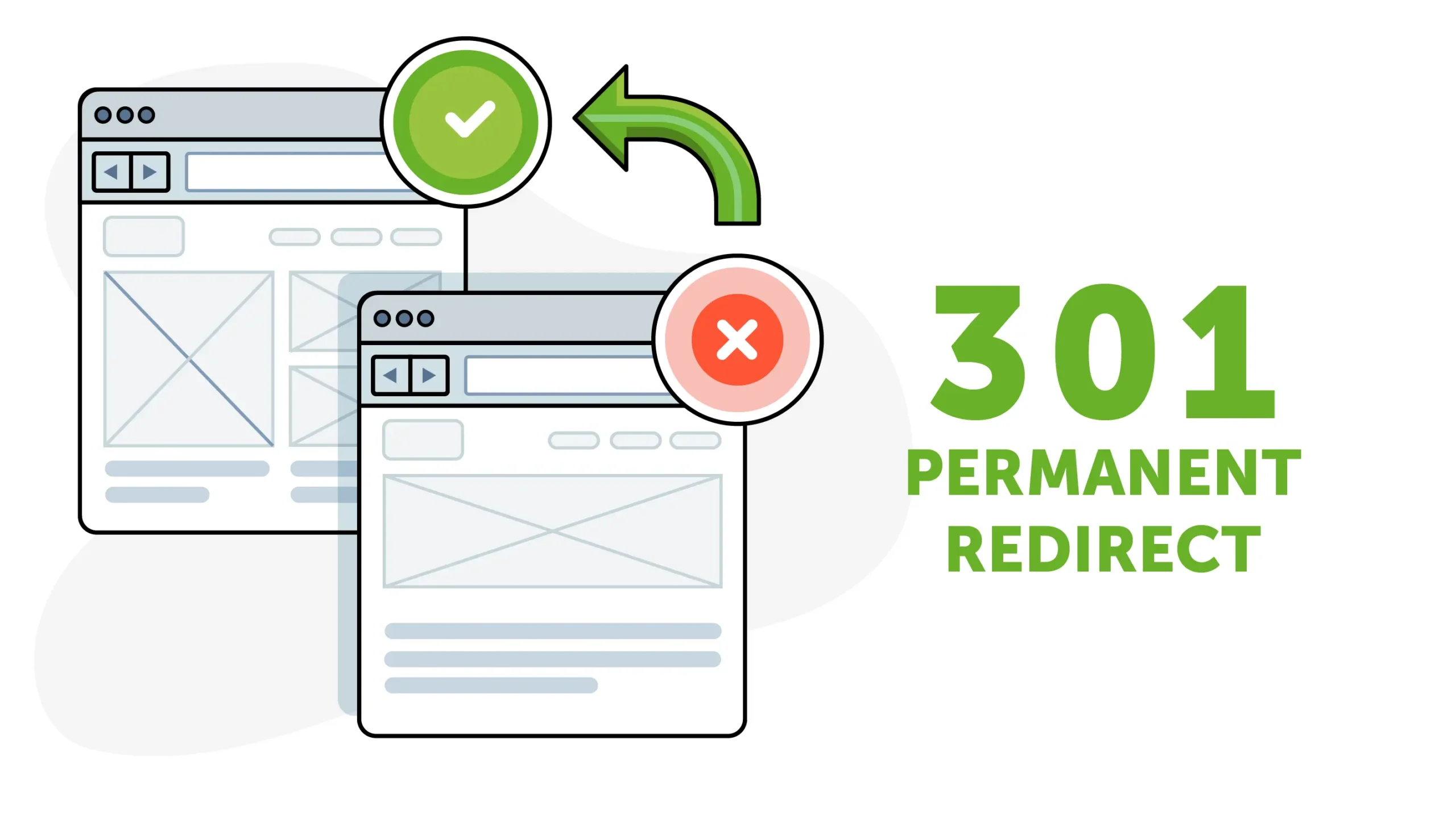
There is no direct penalty from Google for using 301 redirects when they are implemented correctly. A 301 redirect SEO penalty is a common concern, but search engines treat 301 redirects as a standard way to permanently move a page from one location to another.
Problems appear only when redirects create technical issues that affect users and search engines, such as slow loading time or crawl inefficiency, which are often identified during on-page SEO analysis. This topic is often addressed in technical audits performed by agencies like SSinvent, where the focus is accuracy and correct implementation rather than assumptions about penalties.
The sections below explain how 301 redirects work, when they cause issues, and how to use them properly.
Key Takeaways
- Google does not apply a 301 redirect SEO penalty when redirects are implemented correctly, and 301 redirects are the standard method for permanently moving a page for users and search engines.
- SEO issues linked to redirects usually come from technical problems such as redirect chains, redirection loops, or slow loading time, not from the use of 301 redirects themselves.
- A clean URL structure with direct redirects from the original URL to the correct page helps preserve ranking signals and avoids unnecessary crawl delays.
- Differences between permanent redirects and temporary redirects, including 301, 302, 307 redirect, and 308, matter because they send different signals to search engines about how long a change should last.
- SEO tools may not always reflect redirect changes immediately, so discrepancies such as “Why isn’t Moz following my 301 redirect rule?” often relate to crawl timing, internal links, or server response issues rather than broken redirects.
Does Google Penalize 301 Redirects?
Google does not penalize websites simply for using 301 redirects. A 301 redirect is an http status code that tells users and search engines that a web page has moved permanently. When configured correctly, Google updates its index to show the new page in search results instead of the original URL. This behavior is documented across multiple technical SEO resources and confirmed through long-term observation.
The idea of a penalty usually comes from confusion between cause and effect. Redirects themselves are not harmful, but poor implementations can create negative impacts. These issues may reduce visibility or slow crawling, which can look like a penalty even though it is not one. Understanding this distinction is critical for accurate technical SEO work.
What Is a 301 Redirect in SEO?
A 301 redirect is a type of permanent redirection used to move a page from one URL to another. It signals that the original URL should no longer appear in search results and that ranking signals should transfer to the new location. This process helps users and search engines reach the correct page without encountering 404 errors.
In SEO, 301 redirects are used when you move a page, change URL structure, or consolidate content. They differ from temporary redirects, which signal that a change is not permanent. Choosing the correct redirect type ensures that indexing and crawling behave as expected.
301 Redirect SEO Impact on Rankings
Link equity and page signals
When a 301 redirect is set up correctly, most ranking signals pass from the original URL to the new one. This includes external links, internal links, and other relevance signals associated with the web page. Google has confirmed that modern 301 redirects do not cause significant loss of link equity.
Issues arise when redirects are inconsistent or incorrectly mapped. Redirecting pages to unrelated content can confuse users and search engines. This can weaken topical relevance and reduce trust in the redirected page.
Crawling, indexing, and speed
Redirects affect how search engines crawl and index a site. Each redirect adds a step before reaching the final page, which increases loading time slightly. One redirect is not a problem, but many redirects in sequence can slow crawling.
Search engines allocate limited crawl resources to each site. Redirect-heavy structures can reduce efficiency and delay updates in search results. This is why clean redirect paths matter for long-term technical health.
When 301 Redirects Hurt SEO
Redirect chains and loops
Redirect chains happen when one URL redirects to another, which then redirects again. These chains increase loading time and waste crawl resources. They can also cause users to abandon a page if the delay becomes noticeable.
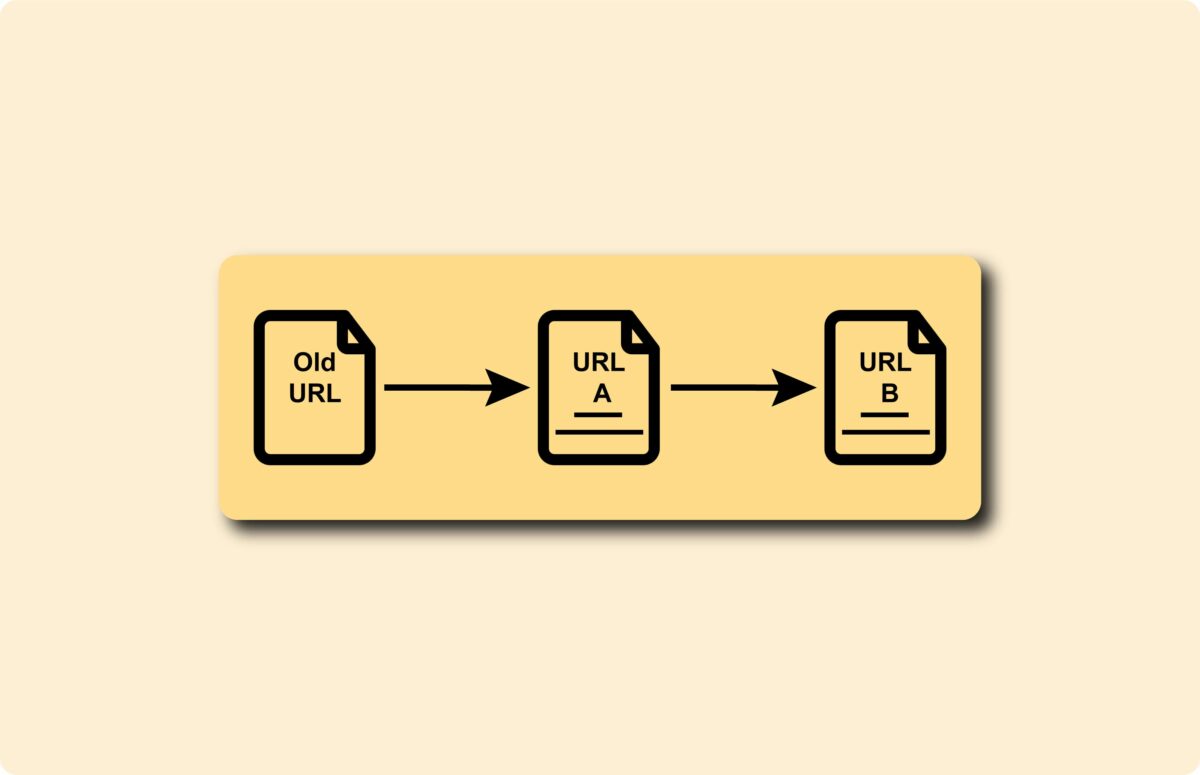
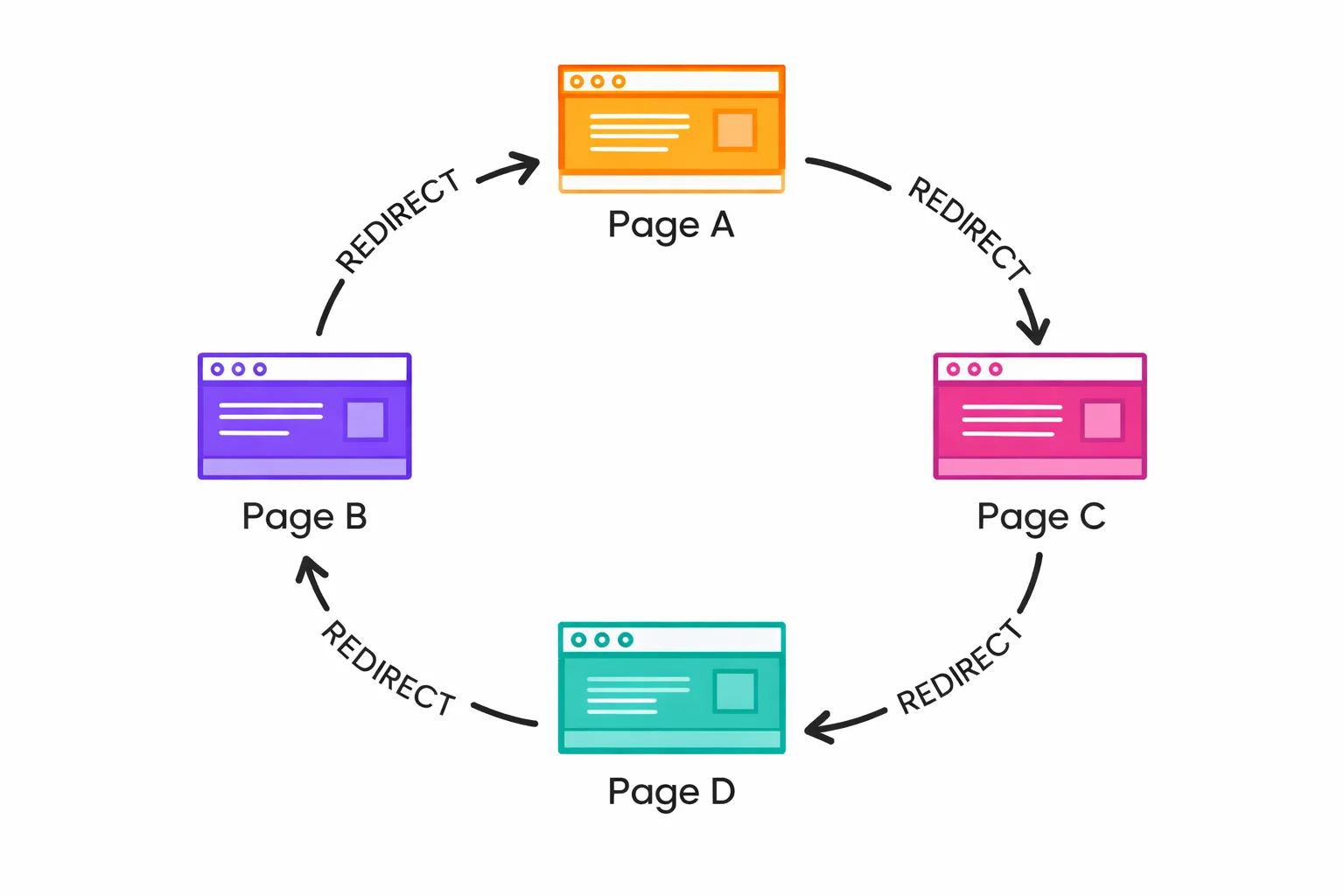
Redirection loops are more severe. In these cases, URLs redirect back and forth without reaching a final destination. Loops prevent users and search engines from accessing content and must be fixed quickly to avoid indexing issues.
How many redirects are too many?
There is no fixed sitewide limit.
For a single URL, 1 redirect is ideal.
2 redirects are usually safe.
3 or more redirects in a chain often cause issues.
Large sites can manage thousands of redirects without problems when they stay organized and tested.
Issues start when redirects stack:
Chains longer than 3 hops
Mixed rules across plugins, server config, and CMS
Old redirects pointing to other redirected URLs
Each redirect adds overhead.
Expect ~50 to 200 ms per hop, depending on server and location.
A 4-hop chain can add 200 to 800 ms before content loads.
Performance problems come from complex chains, not raw count.
Pattern-based rules
Direct one-hop redirects
Clean URL structure
These keep redirects fast without limiting valid use.
301 Redirects vs Other Redirect Types
301 vs 302 vs 307 vs 308
There are several types of redirects, each defined by a different status code. A 301 redirect signals a permanent move, while 302 and 307 redirects indicate temporary redirects. A 308 redirect also signals permanence but preserves the original request method.
Choosing the wrong type can confuse users and search engines. Temporary redirects are useful during testing or short-term changes, but they should not replace permanent redirects. Understanding these types of redirects helps prevent indexing problems and signal confusion.
301 Redirects and SEO Tools
301 redirects with Moz
SEO tools often crawl sites differently than search engines, especially when audits are reviewed by distributed or offshore SEO teams using third-party crawling data. When reviewing 301 redirects with Moz, users may see delays or partial data. This does not mean the redirect is broken, only that the tool has not refreshed its crawl yet.
Moz relies on its own crawling schedule and data processing. As a result, redirect changes may take time to appear in reports. This distinction is important when validating technical changes.
Why isn’t Moz following my 301 redirect rule?
The answer often involves crawl timing, blocked resources, or server response issues. If a tool cannot access the redirect due to robots settings or slow responses, it may not report it correctly.
It is also possible that internal links still point to the original URL. Tools may follow those links instead of the redirect path. Updating internal links helps both tools and search engines interpret changes accurately.
The 80/20 Rule in SEO and Redirects
The 80/20 rule in SEO suggests that a small number of actions drive most results. In redirects, this means fixing the most impactful issues first. Long redirect chains, broken redirect rules, and incorrect mappings cause more harm than minor inefficiencies.
Applying this rule helps prioritize work. Address high-traffic pages and important URLs before minor cases. This approach aligns technical effort with real user and search engine behavior.
Best Practices for Using 301 Redirects
Clean redirect mapping
Each redirect should point directly from the original URL to the correct page. Avoid sending users through multiple steps or unrelated destinations. Clear mapping improves user experience and reduces crawl waste.
Best practice includes updating internal links to match the final destination. Relying on redirects for internal navigation creates unnecessary processing and can slow down page access.
How long to keep redirects
301 redirects should remain active long enough for users and search engines to adapt. In most cases, redirects should stay in place for at least one year. High-value URLs may require permanent retention.
Removing redirects too early can lead to 404 errors and loss of traffic. Long-term redirects protect historical links and ensure continuity across search results.
Final Notes on Expertise and Accuracy
Technical SEO guidance benefits from experience and careful analysis, particularly in complex cases that require advanced SEO services such as large-scale redirect management. Professionals such as Rodrigo César and Christopher Cáceres emphasize that redirects are tools, not risks by default. Their correct use depends on structure, testing, and understanding how users and search engines interact with redirects.
A 301 redirect SEO penalty does not exist in isolation. Real issues come from redirect chains, poor URL structure, and unresolved loops. Clear planning and ongoing monitoring help ensure redirects support, rather than harm, search visibility.