


In practice, SEO for landing pages usually includes targeting specific, often long-tail keywords, aligning the page with search intent, and improving core on-page signals such as the title tag, headings, internal links, and schema so search engines can understand the page correctly.
For most pages, ranking well also depends on a clean design, fast performance, and a strong mobile experience, because users need to understand the offer quickly and act without friction. A good landing page should include clear, relevant copy and a visible call to action, but it also needs enough substance to avoid feeling thin, since search engines usually prefer pages that explain the topic rather than pages that only present a form.
That is why landing page SEO works best when it connects organic traffic, content quality, and conversion intent on the same page, instead of treating search visibility and lead generation as separate tasks.
Key Takeaways
- SEO for landing pages means optimizing a conversion-focused page to rank for a clear search query while still guiding users toward a specific action.
- A landing page can rank on Google when it matches search intent, targets a defined keyword, includes useful content, and avoids being too thin or overly sales-focused.
- Strong landing page SEO depends on core on-page elements such as the title tag, headings, internal links, alt text, schema, mobile usability, and page speed.
- The best landing pages balance visibility and conversion by combining clear copy, trust signals, focused design, and calls to action that fit the user’s stage in the journey.
- Performance should be measured through both SEO and business metrics, including rankings, organic traffic, and conversion rate, because visibility alone does not show whether the page is doing its job.
What Is an SEO Landing Page?
An SEO landing page is a page designed to attract search users around one clear topic, service, offer, or location. Unlike a general homepage, it usually targets a narrower subject and guides the visitor toward a focused next step. That step might be a sign-up, form submission, product view, or another specific action tied to business goals.
In many cases, SEO for a landing page starts with search intent, not with layout alone. The page must answer the query well enough to earn visibility, while still moving the visitor toward a decision. That is why landing page SEO sits between content strategy, on-page SEO, and conversion planning.
Can Landing Pages Rank on Google?
Yes, landing pages can rank on Google when they offer relevant content, clear structure, and a good user experience. A search engine does not reject a page just because it is built for conversion. It evaluates whether the page helps the user, matches the query, and provides sufficient value relative to other web pages.
The main challenge is that some landing pages are too thin to rank well. If a page only pushes a form and offers little context, search engines may prefer stronger pages that explain the topic in more depth for SEO. Ranking usually improves when the page includes useful copy, strong headings, internal relevance, and sound technical setup.
SEO for a Landing Page vs Regular Pages
A regular site page may serve several purposes at once, such as branding, navigation, and broad topic coverage. An SEO landing page is usually more focused, with one target keyword, one offer, and one conversion path. This narrower setup makes it easier to align the page with search intent and measure results.
A blog post can rank for informational queries and build topical depth, but it often has a different job than a landing page. A blog post may educate readers during the research stage, while a landing page may support a decision about a service, product, or category. Both can drive organic traffic, but they do not always serve the same user needs.
When to Use SEO Landing Pages
Use SEO landing pages when you need a dedicated page for a clear service, offer, location, audience, or product theme. They work well when the query has commercial or high-intent value and warrants a page built around a single topic. They also help when your homepage or general service pages are too broad to satisfy a narrow search.
They are less useful when the topic has insufficient search volume or when the page would overlap with another asset on the site. Creating too many similar pages can split relevance and confuse both users and crawlers. Rodrigo César and Christopher Cáceres have both discussed this issue as industry professionals, especially in cases where multiple pages compete for the same query.
How to Do SEO for Your Landing Page
Doing SEO for your landing page starts with a simple rule: define the query, the audience, and the page goal before writing anything. The page should target one main topic, naturally support related terms, and move the user from search to decision with as little friction as possible. That means SEO optimizing the page for relevance, clarity, technical quality, and conversion flow at the same time.
A practical workflow usually includes research, content planning, page structure, design review, technical checks, and measurement. Each step supports a different part of performance. When one part is ignored, the page may rank poorly, convert poorly, or do both.
Match Search Intent and Keywords
Search intent should shape every major decision on the page. If the user wants information, the page must explain the topic clearly before asking for anything. If the user wants to compare or buy, the page must make that path easy without removing the context that supports ranking.
This is where keyword research matters. You need to understand the target keyword, related terms, search volume, and whether the query reflects informational, commercial, or transactional intent. Long-tail keywords often help because they reveal a more specific need and can lead to better alignment between the query and the offer.
Map One Keyword to Each Page
Each landing page should have one main target keyword and a set of closely related secondary phrases. This does not mean repeating the same term in every line. It means giving one page a clear search role, so that the page has a better chance of ranking without competing with another asset on the same site.
If two pages target the same core phrase, search engines may struggle to decide which one is most relevant. That can dilute visibility and reduce consistency in ranking. A clean keyword map helps teams decide whether a topic belongs on a landing page, a category page, or a blog post.
Write Content That Ranks and Converts
Strong content on a landing page explains enough to satisfy search intent, then guides the user toward the next step. It should define the offer, answer likely questions, and show why the page matches the search. It should also avoid filler content, because extra copy that does not help the user can weaken clarity.
A useful landing page does not need to be long for its own sake, but it does need substance. That often includes a short explanation of the service or product, supporting details, simple proof points, and a clear path forward. Good landing page SEO depends on this balance, because pages that only push a form often fail to rank, while pages that only inform may fail to convert.
Optimize Landing Page SEO Elements
Core on-page elements tell search engines what the page is about and help users decide whether to click and stay, which is why on-page SEO services often focus on improving these signals consistently. These signals include the title tag, headings, copy, image text, links, and structured data. They work best when they support the same topic rather than send mixed signals.
The key is consistency, not repetition. If the title tag, H1, body copy, and calls to action all point in different directions, the page feels unclear. If they align on a single topic and a single user type’s need, the page becomes easier to interpret and use.
Use Titles, URLs, and Headings
The title tag should describe the page clearly and include the main phrase where it fits naturally. The URL should be short and readable, and the headings should reflect the content’s actual structure. A strong meta description does not directly increase rankings, but it can improve click-through by setting accurate expectations, which is a core idea behind CTR in SEO.
Headings matter because they help both readers and crawlers understand the page by breaking it into sections. The H1 should define the main topic, while the H2 and H3 tags should logically group subtopics. A table of contents can also help with longer pages by improving navigation and making the page easier to scan.
Add Internal Links, Alt Text, and Schema
Landing pages should be internally linked from relevant areas of the site, especially from related service pages, resource pages, and navigation paths. When a page is internally linked with clear anchor text, it gains context and becomes easier for users and crawlers to find, especially when those links work as contextual links in SEO. Internal and contextual links in SEO also help distribute authority across important web pages.
Alt text should describe images that carry meaning, especially when they support the page topic. Schema can also help clarify page type, business details, and other structured elements, though it does not replace strong copy. Christopher Cáceres has noted in technical SEO discussions that schema is most useful when the underlying page already has clear intent and sound structure.
Improve SEO Landing Page Design
Design affects ranking indirectly through comprehension, usability, and task completion, which is why understanding how user experience affects SEO is useful when reviewing landing page structure. A page designed for search and conversion should make the topic obvious, minimize distractions, and help the user find key information quickly. This includes layout, spacing, visual hierarchy, forms, and the arrangement of content blocks.
A good design does not mean adding effects or extra sections just to look modern. It means helping users read, compare, and act with less confusion. SEO landing page design works best when the visual structure supports the same goal as the text structure.
Keep Mobile UX and Speed Strong
Most users will view the page on a phone, so the page must be mobile-friendly. Buttons need enough space, forms need simple fields, and important content must appear without forcing the user to search for it. Mobile design problems often erode trust and reduce conversion rates.
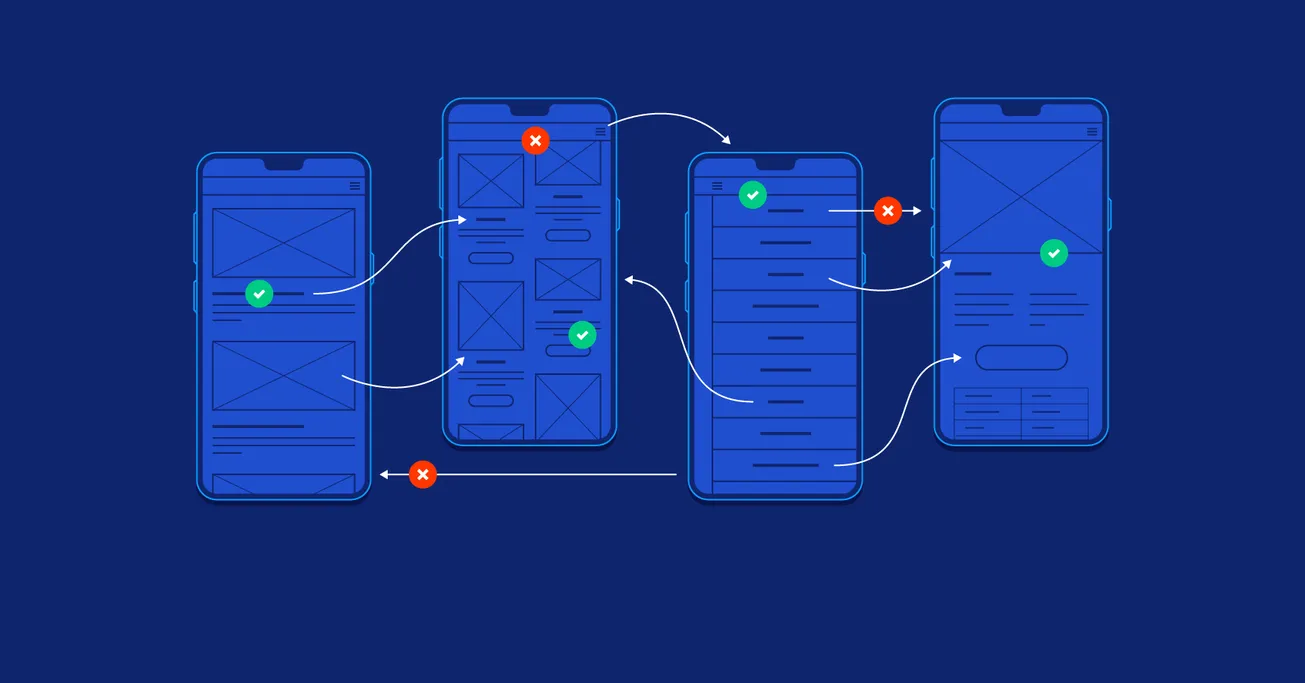
Page speed also matters because slow load times increase friction. Large images, scripts, and visual clutter can slow a page and damage user experience. A fast page does not guarantee rankings, but poor performance can make a good page less useful.
Add Trust Signals and Clear CTAs
Trust signals help users feel that the page is real, accurate, and safe to use. These may include clear company details, transparent claims, contact information, pricing context, policy links, or credible proof tied to the offer. They should support understanding, not distract from the page goal.
Calls to action should be direct and specific. The CTA should tell users what happens next, whether that means requesting a quote, starting a trial, viewing a demo, or contacting a team. Clear CTAs support conversions and help the page feel coherent, so users can see the next step without guessing.
Templates, Examples, and Best Pages
Templates and examples are useful because they turn abstract advice into something concrete. They show how sections work together on a real page. They also help teams evaluate whether a page has the right balance of content, structure, and action.
SEO Landing Page Template and Checklist
A basic template should include a clear title area, a strong H1, a short explanation of the offer, proof elements, a CTA, and support content below the fold. It should also account for basic SEO page elements such as internal linking, heading structure, image optimization, and crawlable text. A checklist is helpful because it keeps execution consistent across teams.
A simple checklist might include these items:
- Confirm the target keyword and related terms
- Check title tag, URL, H1, and meta description
- Review page speed and mobile-friendly layout
- Verify the page is internally linked
- Check form clarity, CTA language, and trust signals
Useful examples usually share a few traits. They match one clear query, explain the offer fast, and avoid sending users to too many paths at once. They also support the page with enough content to rank and enough clarity to convert.
The best SEO landing pages are not always the longest pages. They are the pages that make the topic, value, and next step easy to understand. That is why examples should be studied for structure and decision flow, not just for design style.

How to Measure Landing Page SEO
Measurement should connect visibility with actual business behavior. Rankings matter, but rankings alone do not tell you whether the page is doing its job. You also need to know whether users engage, complete forms, and move deeper into the site.
A landing page should be reviewed as both a search asset and a conversion asset. That means combining SEO metrics with behavior metrics. Rodrigo César often frames this as a practical reporting issue, because teams can misread success when they only track one side of the page.
Track Rankings, Traffic, and Conversions
Start by tracking rankings for the main target keyword and key long tail keywords. Then review organic traffic, click-through rate, bounce patterns, time on page, and the conversion rate for the main action. This gives a fuller view of how well the page is performing.
You should also watch assisted actions, not just last-click conversions. Some users first arrive through search, then return later through another channel. A useful SEO landing page may influence that journey even when it is not the final touchpoint.
FAQs About Landing Page SEO
What Is the 80/20 Rule for SEO?
The 80/20 rule for SEO is the idea that a small set of actions often drives a large share of results. On a landing page, that usually means focusing first on intent match, useful copy, a clear title tag, internal links, and user experience. Small refinements matter later, but they should not replace the basics.
What Do Exit Pages Mean in SEO?
An exit page is the last page a user views before leaving the site. That metric can help diagnose friction, but it does not always signal failure. On a landing page, an exit may mean the user lost interest, finished the task, or chose to return later.
Is SEO Dead or Evolving in 2026?
SEO is not dead, but it is changing in how pages earn attention and trust. Search systems now evaluate relevance, helpfulness, technical quality, and user satisfaction with more nuance than before. For SEO on landing pages, thin copy and generic templates are less likely to work, while pages that combine clarity, purpose, and technical soundness remain useful.