


This guide covers how to set up those pages correctly, what content works, and how to measure results.
Key Takeaways
- LinkedIn for SEO works by making public profiles, company pages, and posts easier for search engines and users to understand.
- A clear LinkedIn profile, strong company description, and well-placed relevant keywords can improve how LinkedIn pages appear in search results.
- Useful LinkedIn content such as tips, examples, and article shares can support visibility, user engagement, and basic link building across platforms.
- LinkedIn SEO tools, keyword research, and analytics tools help teams review profile quality, track referral traffic, and refine their SEO strategy.
- Online SEO courses and professional SEO training can help users understand how LinkedIn fits into a broader search engine optimization and digital marketing plan.
How To Use LinkedIn For SEO
Using LinkedIn for SEO means making your profile, company page, and posts easier for search engines and users to understand. Search engines look at page text, links, and structure when they rank content in search results.
If a LinkedIn profile uses clear terms and relevant keywords, it can support a wider SEO strategy across the digital landscape. This does not replace a website, but it can add another strong page to your online presence.
LinkedIn also helps when you share updates, blog posts, and links to useful pages. These actions give search engines more context about your work and your topic. The goal is not to force rankings. The goal is to make your content clear, useful, and easy to find.
How LinkedIn Appears In Google Search
Search engines can index public LinkedIn pages. That includes profiles, company pages, and some forms of LinkedIn content. These pages may appear in search results when users search a person’s name, a company name, or a topic.
A clear LinkedIn URL can also help. When the page address matches a real name or brand, it is easier to read and easier to share. Search engines use that page structure, along with the text on the page, to judge relevance.
Does LinkedIn Help SEO
Yes, LinkedIn can help SEO in a practical way. It gives you public pages that may rank in search results, and it lets you connect your profile and posts to your website and other content. This can support brand visibility and topic relevance in the digital landscape.
LinkedIn helps most when your profile is complete and your posts are useful. Search engines can read those public pages and learn which topics you cover. This makes LinkedIn a useful support channel for SEO or search engine work.
Free LinkedIn For SEO Methods
You do not need paid tools to start. Many useful LinkedIn SEO actions are free and simple. You can improve your profile, write better posts, and add clear links without buying software.
Some free steps include:
- Adding relevant keywords to your headline and About section
- Sharing blog posts and useful site pages
- Using a clear LinkedIn URL
- Keeping your profile and company page up to date
These small actions help search engines understand your topic and your role.
Common LinkedIn SEO Mistakes
Many LinkedIn pages do not perform well because they are incomplete or unclear. A weak headline, an empty About section, or a generic profile description makes it hard for users and search engines to understand the page. These gaps reduce clarity and weaken topic relevance.
Another common mistake is using too many broad terms without enough detail. A page may mention digital marketing or search engine optimization, but never explain the exact service, skill, or topic focus. This makes the page less useful for people searching and less precise for search systems.
Some users also expect LinkedIn to replace a website. LinkedIn can support a broader SEO strategy, but it does not replace a full site, advanced SEO services, or strong page-level content. Adding this kind of limit improves trust because it gives the reader a more accurate view of what LinkedIn for SEO can and cannot do.
Google’s guidance stresses that helpful content should be written to benefit users and should leave them with enough understanding to meet their goal.
LinkedIn SEO Strategies
A strong LinkedIn SEO plan connects profile updates, content sharing, and link building. Each part supports the others. When your profile is clear and your posts are useful, search engines get better signals about your area of work.
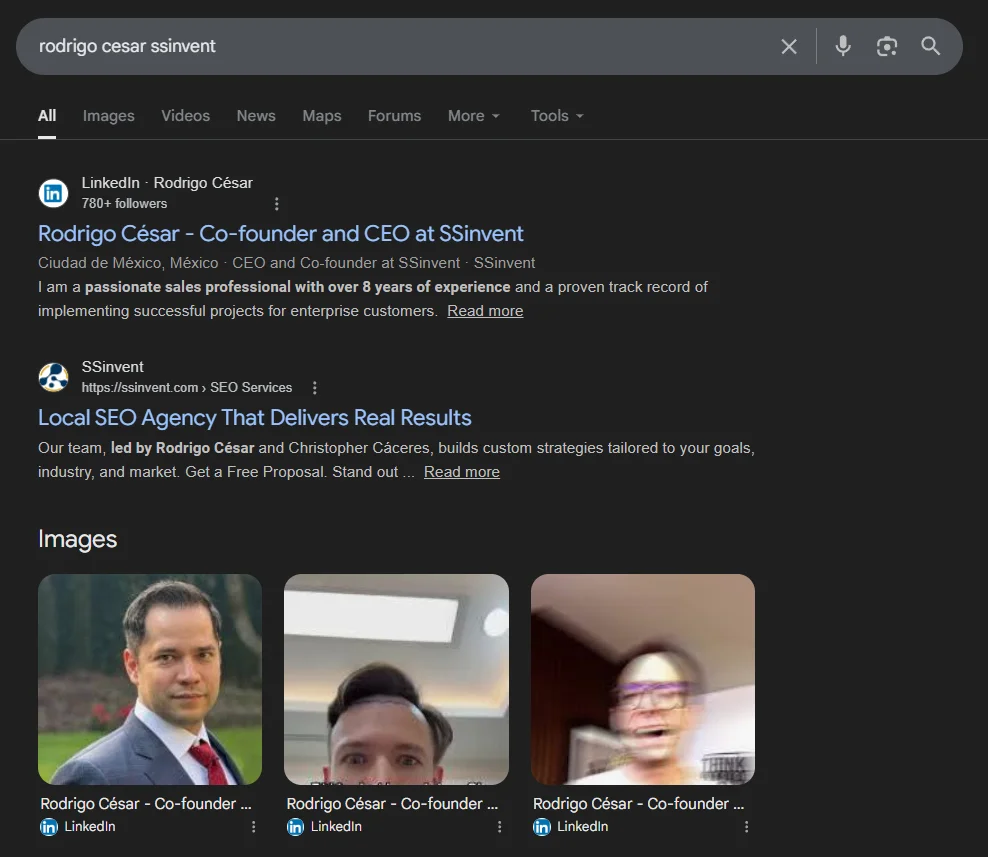
Rodrigo César, an SEO professional who works on search visibility and content systems, has pointed out that LinkedIn gives search engines structured public data. Job titles, summaries, skills, and company details all help define topic relevance. This is one reason LinkedIn can fit well into a wider digital marketing plan.
Driving Website Traffic Through LinkedIn
LinkedIn can help send readers to your website. You can do this by sharing site pages, blog posts, case studies, and research. When users click those links, they move from LinkedIn to your site.
This traffic is useful because you can measure it with analytics tools. You can see which posts brought visits and which topics got attention. That helps you improve your SEO strategy over time.
Building Authority With Professional Profiles
A strong LinkedIn profile can support trust and topic clarity. It shows your work history, your skills, and the type of projects you handle. When that information is clear, search engines can better understand your expertise.
Christopher Cáceres, a search specialist focused on professional platforms and content structure, has noted that a profile works best when each section supports the same topic focus. If your headline, About text, and experience all point to the same field, your profile becomes easier to read and easier to classify.
LinkedIn Content Strategies That Increase Visibility
Good LinkedIn content helps you stay active and visible. Posts can explain a process, answer a question, or share a useful lesson from your work. This gives readers a reason to engage and gives LinkedIn more topic signals.
High quality posts often do well because they are easy to read and easy to use. Clear tips, short examples, and simple explanations work better than vague claims. This matters both for readers and for LinkedIn’s algorithm.
Optimizing A SEO LinkedIn Profile
A SEO LinkedIn profile uses simple language, clear sections, and relevant keywords. Each part of the profile helps explain who you are and what you do. This helps both users and search engines.
Profile work also matters inside LinkedIn. LinkedIn’s algorithm looks at profile terms, activity, and relevance when it shows profiles to users. A clear profile can help more people searching find the right page.
Writing Headlines With LinkedIn SEO Keywords
The headline is one of the first things people see. It often shows up in search results and in LinkedIn search. That makes it a good place to add LinkedIn SEO keywords that match your real work.
Keep the headline direct. Name your role, your topic, or your area of service in plain words. This helps readers understand your profile fast, and it helps search engines read the page more clearly.
Optimizing The About Section With Keywords
The About section gives you more room to explain your work. Use it to describe your skills, your focus, and the type of problems you solve. Keep the writing simple and factual.
Keyword research can help you find the words people searching use most often. Add those terms where they fit in a natural way. The goal is to explain your work clearly, not to repeat keywords again and again.
Customizing Your LinkedIn Profile URL
A custom LinkedIn URL is easier to read than a long default link. It usually includes your name or your brand. That makes it cleaner in search results and better for sharing.
This small step also helps with page clarity. Search engines like pages that use simple structure. A short URL can support that clarity.
Optimizing LinkedIn Company Pages For SEO
A company page is different from a personal profile. It explains what a business does, who it serves, and what topics it covers. This page can also appear in search results for brand and service terms.
If the page uses clear language and the right keywords, it becomes easier for search engines to understand. It also becomes easier for users to know if the company matches what they need.
Writing A Keyword-Focused Company Description
The company description should explain the business in plain words. It should say what the company does, what topics it works on, and what type of services it offers. This is a good place to add relevant keywords in a natural way.
Do not turn the page into an ad copy. A factual description is more useful for readers and easier for search engines to process. Clear language works best here.
Using Industry Keywords In Page Specialties
LinkedIn lets company pages list specialties. These terms act like topic labels. They help users and LinkedIn understand what the business focuses on.
Choose terms that match real work. For example, a team may list SEO, digital marketing, analytics, or link building if those are real service areas. This helps the page match user intent more closely.
Improving Company Page Search Visibility
Company pages need fresh and clear information. A full description, accurate specialties, and regular updates all help. Search engines can use that content to better understand the page.
Posting useful content also helps, especially when teams understand how content freshness for SEO can affect visibility. New updates show that the page is active, and they give readers more reasons to engage. That can support visibility over time.
LinkedIn Content Ideas And Examples
Content is one of the main ways to use LinkedIn well. It helps you share knowledge, answer questions, and join industry talks. It also gives search engines more text and topic signals to read.
Readers usually respond more to helpful ideas, clear examples, and short lessons. That makes content a strong part of LinkedIn for SEO.
LinkedIn For SEO: Ideas That Increase Visibility
There are many simple post ideas you can use. You can explain a process, break down a trend, or share a lesson from your work. These formats are useful because they teach something fast.
Some good examples include:
- Short lessons from keyword research
- Tips to optimize content on profile pages
- Notes on changes in search engines
- Takeaways from blog posts or case studies
These ideas are easy to write and easy to read.
Successful LinkedIn Profiles For SEO
Strong profiles often share clear, useful posts on a regular schedule. One post may explain how search results change after a page update. Another may show how better headings help optimize content for both readers and search engines.

These examples work because they answer a real question. They do not rely on hype. They focus on clear value and direct explanation.
Sharing Articles And Website Content
Sharing site content on LinkedIn can support reach and structure, especially when that content is organized through content hubs for SEO. When you post links to articles, blog posts, or guides, you connect your LinkedIn page to your site. That can help users move between the two.
This also supports link building in a basic way. The links may not work like editorial backlinks from outside sites, but they still help connect content across platforms. They also help search engines discover and understand related pages.
LinkedIn SEO Tools And Keywords
Tools can help you study content, keywords, and profile structure. They are useful when you want to review what is working and what needs to change. This is where keyword research and page review become more practical.
Rodrigo César has written about the value of combining search data with social platform data. When you know what people type into search engines and LinkedIn, you can build clearer content. That makes optimizing your content more focused and more useful.
Using LinkedIn SEO Tools And Checkers
A LinkedIn SEO tool or LinkedIn SEO checker usually reviews profile text, section completeness, keyword use, and post performance. For example, LinkedIn’s own Social Selling Index can help users review parts of their profile activity, while tools like Taplio offer profile feedback, headline support, and post analytics, and Shield focuses on content reporting and engagement tracking.
Some tools also compare your page to other pages in the same field or show which posts perform best over time. This can help you spot weak sections, missing keywords, or content patterns that need work.
These tools should guide review, not replace judgment. Use them to find gaps in structure, wording, or consistency, then update the page with clear, useful language.
Finding Effective LinkedIn SEO Keywords
Good keywords match real user searches and real expertise. They should describe what you do in plain language. That may include terms like search engine optimization (SEO), digital marketing, analytics tools, or LinkedIn SEO services when those phrases fit your work.
Start with keyword research. Look at what people searching use in Google and LinkedIn. Then place those terms in headlines, summaries, and posts where they make sense.
LinkedIn SEO Checklist
A short checklist helps turn the article into a practical reference. It also improves scan value for users who want a fast review before updating a page. This kind of format can help you compete with quick-start guides like SEO.com, which performs well because it gives readers a direct action path.
Use this checklist before you publish or update your page:
- Make sure your LinkedIn profile is complete
- Use a clear headline with relevant keywords
- Write an About section that explains your work in plain words
- Set a simple LinkedIn URL
- Add industry terms to your company page specialties
- Share useful LinkedIn content on a steady schedule
- Link to helpful site pages and blog posts
- Review traffic and engagement with analytics tools
This checklist does not replace strategy, but it helps you catch the basics fast. It is also useful for teams that manage many profiles or company pages across the digital landscape.

LinkedIn SEO Ranking Factors
LinkedIn visibility depends on more than just adding keywords to a page. LinkedIn’s algorithm looks at profile completeness, content relevance, engagement, and how well your page matches user searches. Search engines also look at the public text and structure of your page when they decide how it may appear in search results.
A strong profile usually has a clear headline, a complete About section, relevant experience, and steady activity. These elements help both LinkedIn and search engines understand the topic of the page. When several sections support the same theme, the page becomes easier to classify.
Content relevance also matters. Posts that match user interest and use clear language have a better chance of reaching more people inside LinkedIn. Socialinsider’s guide gives strong visibility to this topic by treating ranking factors as a core part of LinkedIn SEO, which is one reason it competes well for this keyword.
LinkedIn Content Rules And Engagement
LinkedIn does not only look at keywords. It also looks at how users respond to posts. Likes, comments, and shares help show whether content is useful or worth showing to more people.
This matters because LinkedIn’s algorithm uses both relevance and engagement. A post with clear value often gets more interaction. That can increase its reach inside LinkedIn.
The 5-3-2 Rule For LinkedIn Content
The 5-3-2 rule is a simple content mix model. It helps users avoid posting the same type of update every time. It also keeps the feed more useful for readers.
A common version looks like this:
- Five posts share useful outside content
- Three posts share your own views or short lessons
- Two posts share your own original work or offers
This keeps the page active without making it feel one-sided.
The 95-5 Rule In LinkedIn Marketing
The 95-5 rule says most people are not ready to buy right now. Only a small group is in the market at one time. The larger group is still learning and comparing options.
This idea matters for LinkedIn because it supports an educational content plan. Helpful posts can keep your name visible while users learn. That is better than pushing every post toward a sale.
Engagement Signals That Improve Visibility
Engagement signals include likes, comments, reposts, and clicks. These actions help LinkedIn judge whether a post is useful. Posts with clear ideas often get more interaction.
To improve engagement, use short posts, clear wording, and one main point per update. Ask a simple question when it fits. Share content that teaches something instead of just announcing something.
Learning LinkedIn SEO Skills
Many people learn this topic through training, self-study, and practice. A good course can explain how search engines read pages and how LinkedIn fits into that process. This helps new users build a stronger base.
Online SEO courses can also make technical ideas easier to follow. They often break large topics into small lessons. That format works well for busy teams and solo professionals.
Benefits Of Online SEO Courses
Online SEO courses can help users learn core ideas step by step. Topics may include keyword research, link building, analytics tools, and ways of optimizing your content. These lessons are useful for beginners and for working marketers.
Good courses use clear examples from real search results. That helps students connect theory with actual page structure. It also makes search engine optimization easier to understand.
Choosing A LinkedIn SEO Course
A LinkedIn SEO course should cover profile setup, keyword use, post strategy, and measurement. It should explain how public LinkedIn pages may appear in search results. It should also show how LinkedIn supports a wider SEO strategy.
Look for lessons that use direct examples and simple language. A course is more useful when it teaches process, not hype. Practical examples matter most.
Professional SEO Training For Marketers
Professional SEO training usually goes deeper than beginner lessons. It may cover indexing, page structure, intent matching, and data review. This helps users make better decisions across the digital landscape.
It can also help teams connect LinkedIn work with site content and reporting, and understand why hire an SEO company may become a practical question as needs grow. That matters in larger digital marketing plans. The best training builds skill through clear process and real examples.
Measuring LinkedIn SEO Performance
You need data to know if your work is useful. That is why measurement matters. Analytics tools can show traffic, clicks, and engagement from LinkedIn activity.
Christopher Cáceres has stressed the need to review patterns over time. One post does not tell the full story. A longer view gives a better picture of what content helps most.
Tracking Referral Traffic From LinkedIn
Referral traffic shows how many users came to your site from LinkedIn. You can track this in analytics tools by looking at source and session data. This helps you see which posts and links drove visits.
Use this data to compare topics and content types. You may find that some blog posts bring more clicks than short updates. That can improve future planning.
Evaluating Engagement Metrics
Engagement metrics show how users react to your posts. Common signals include likes, comments, reposts, and clicks. These numbers help you judge whether a topic connects with readers, much like CTR in SEO helps measure interest in search results.
High engagement does not always mean strong business value. Still, it is a useful sign of interest and relevance. It can help guide future content choices.
Monitoring Profile And Content Growth
Profile growth includes more views, more followers, and stronger post reach over time. Content growth includes steady activity and better response to updates. These trends can show whether your LinkedIn work is becoming more useful.
Review this data on a regular schedule. Look for patterns in topics, formats, and timing. Over time, that gives you a clearer view of how LinkedIn for SEO supports your larger search engine optimization plan.