

Edge SEO supports both GEO and AEO by allowing signal adjustments at delivery time.
How edge SEO works
Edge SEO runs programmable logic at the network edge. A content delivery network CDN handles incoming requests and modifies responses before delivery. It adjusts HTML tags or headers without editing backend files. The page arrives optimized for both users and search engine bots.
CDN providers offer serverless systems that execute these rules. These systems run lightweight scripts. They scale across many URLs. Careful testing prevents conflicts.
The process works in three steps:
- A user or search engine bot requests a page.
- The CDN intercepts the request before it reaches the origin server.
- Edge logic modifies the response before sending it back.
This ensures both users and bots see the same optimized content.
This layered structure separates generation from delivery. The origin server produces the base content. The CDN enhances it with SEO logic. This design improves flexibility without altering core systems.
CDN and edge computing
A content delivery network CDN stores content across global servers. It reduces latency by serving users from nearby locations. Edge computing technologies allow those servers to run logic, not just cache files. This enables dynamic SEO updates.
When a request reaches the CDN, it can modify content before sending it back. This improves page speed and reduces latency. It can also adjust css and JavaScript files if needed. The origin server remains unchanged.
Edge computing supports conditional logic. For example, the CDN can detect location and apply managing hreflang tags. It can also insert a region-specific schema. These actions happen in milliseconds.
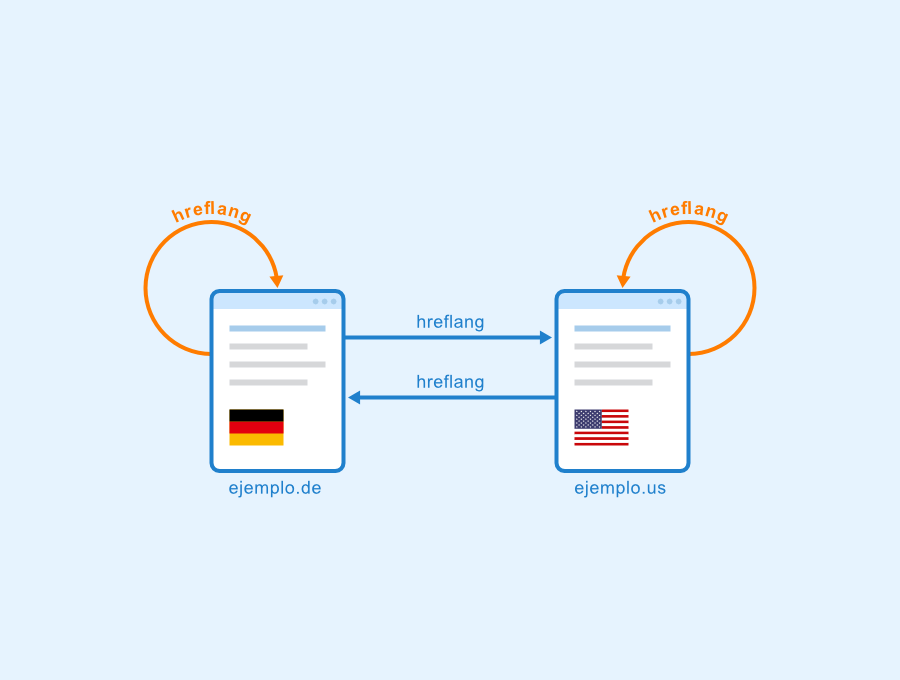
Because execution happens close to the user, updates do not require full redeployment. This helps reduce operational delays. The edge layer becomes part of the response pipeline.
Edge workers and serverless execution
Edge workers are small scripts that run inside the CDN. Tools such as Cloudflare Workers allow teams to inspect and rewrite responses in real time. These scripts can inject structured data, manage redirects, or adjust canonical tags. Search engine bots see the updated version.
Serverless execution means teams do not manage physical servers. The CDN provider handles infrastructure. This supports scalable edge SEO implementation across global sites. Monitoring remains critical.
Edge workers must remain efficient. Overly complex scripts may slow responses. Testing ensures performance remains stable. Proper rule design protects reliability.
How search engines render edge content
Search engine bots crawl the version delivered by the CDN. If metadata changes at the edge, bots index that version. This affects how the search result appears. The CDN becomes part of the rendering process.
Edge SEO can also support pre-render strategies for JavaScript-heavy sites. Instead of relying only on client-side scripts, the edge layer can serve optimized HTML. This helps bots process content faster. Testing confirms accuracy.
Content shown to bots must match content shown to users. Differences may raise quality concerns. Regular audits reduce risk.
Request Lifecycle Example
To understand edge SEO implementation, consider this request flow:
- A search engine bot requests a product URL.
- The request hits the content delivery network CDN.
- An edge worker inspects the response from the origin server.
- The worker injects missing structured data and a canonical tag.
- The modified HTML is delivered to the bot.
- The bot indexes the updated version.
The origin server never changes. The edge layer controls the SEO signals.
What you can optimize at the edge
Edge SEO lets teams modify important SEO signals without touching the origin server. It works for both static and dynamic content. It can adjust output based on device or location. All updates must follow search guidelines.
Clear planning prevents conflict between backend and edge rules. Teams should define the scope before deployment. Documentation improves control.
Edge SEO can help rapidly correct indexing issues. If a page lacks a canonical tag or structured data, the CDN can quickly inject corrections. This flexibility reduces downtime for SEO fixes.
Meta tags and structured data
Teams can update title tags, meta descriptions, and canonical links at the edge. They can also inject schema markup dynamically. These updates influence how search engine bots understand the page. They also shape how search results appear.
For example, a rule can extract product data and build a JSON-LD schema. This update runs in real time. Bots index the structured data. Validation tools confirm compliance.
This process reduces manual template editing. It centralizes structured data management. Consistent logic improves accuracy.
Technical Example: Injecting Structured Data
An edge rule can:
- Detect if a product page lacks JSON-LD
- Extract price and availability from the HTML
- Generate schema markup
- Inject it before the closing <head> tag
This happens in real time during response delivery. Search engine bots can still parse structured data even if the backend template does not include it.
Redirects, headers, and hreflang
Managing redirects is a common use case. Teams can handle implementing redirects at the CDN level. Redirects managing logic can adapt by device or region. This simplifies technical maintenance.
Managing hreflang tags at the edge improves international targeting. The CDN inserts correct hreflang references into the HTML header. This helps search engines serve the right version. Accuracy matters.
Edge-based redirect control is useful during domain migrations. It reduces the risk of broken links. Clear mapping ensures stable routing.
Technical Example: Redirect Logic at the Edge
During a migration:
- Old URLs are mapped to new URLs in an edge configuration file.
- The CDN intercepts the request.
- A 301 redirect is returned before the origin server responds.
This prevents crawl waste and protects search engine rankings without requiring server configuration changes.
Dynamic and GEO-based content
Edge logic can adjust page elements based on user location. This supports GEO strategies. How to do GEO effectively requires clear mapping between the region and the content version. The CDN handles conditional delivery.
For example, pricing can change by country. The edge worker updates both visible text and structured data. This keeps signals consistent.
Regional delivery must remain transparent. Both users and bots should see aligned content. Consistency protects trust.
Crawl budget and performance signals
Edge SEO can support crawl efficiency. Optimized HTML improves interpretation speed. Reduced latency may support more stable crawling.
Log file collection at the CDN level helps track the activity of search engine bots. Teams can review crawl patterns. Data supports ongoing optimization.
Analyzing these logs helps detect indexing gaps. Teams can identify under-crawled sections. Adjustments can then be applied through the edge layer.

Edge SEO strategies and technologies
Implementing edge SEO requires planning and testing. Teams define the scope and document each rule. Governance reduces risk. Coordination between SEO and development teams is important.
Edge computing technologies power this model. Providers offer programmable environments for response control. Teams choose platforms based on infrastructure needs.
A governance model should include approval steps and rollback plans. Version control ensures accountability. Clear structure prevents rule conflict.
Organizations should also establish monitoring dashboards. These dashboards track rule performance and error rates. Early detection reduces risk.
Advanced Considerations for Enterprise Edge SEO
Enterprise environments must manage:
- Cache invalidation policies
- Edge rule version control
- Conflict resolution between backend and edge logic
- Multi-CDN deployments
- Security policies affecting header modifications
Edge SEO implementation must align with DevOps workflows. SEO teams should collaborate with infrastructure engineers to ensure rule stability and performance integrity.
Limitations of Edge SEO
Edge SEO does not replace:
- Core architecture optimization
- Internal linking frameworks or strategy
- Content quality improvements
- Database performance tuning
It also introduces complexity:
- Debugging becomes distributed
- Caching rules may conflict with SEO rules
- Poorly written scripts may impact performance
Organizations must evaluate operational maturity before adoption.
Benefits and risks of edge SEO
Edge SEO improves flexibility and scalability. It reduces latency and supports real-time updates. It enables faster response to technical SEO issues.
Risks include misconfigured scripts and the complexity of debugging. Poor handling of CSS and JavaScript files may break the layout. Monitoring tools detect issues early. Structured testing protects stability.
A structured change management process reduces risk. Each update should have a defined objective. Clear documentation supports traceability.
Edge SEO Implementation Checklist
Before deploying edge SEO:
- Define which SEO signals will be modified
- Document expected output behavior
- Validate against search engine guidelines
- Test changes in staging
- Monitor log file collection
- Confirm consistency between users and search engine bots
- Establish rollback procedures
This prevents configuration errors and protects compliance.
When to use edge SEO
Edge SEO works best for complex systems with many URLs. It supports large global sites and frequent updates. Evaluation should come before implementation.
Organizations should assess their infrastructure maturity before adopting this model. The edge layer adds flexibility but also adds operational oversight. Clear processes are required.
Smaller sites may not need this layer. Traditional technical SEO approaches may be enough. The decision depends on scale and infrastructure. Clear assessment supports the right choice.
FAQs About Edge SEO
Is Edge SEO the same as technical SEO?
No. Edge SEO is a subset of technical SEO that operates at the CDN layer rather than the origin server.
Does Edge SEO improve page speed?
It can reduce latency when CDN-level optimizations are applied correctly, but performance depends on infrastructure design.
Can small websites use Edge SEO?
Most small websites do not require it. Traditional technical SEO is usually sufficient.
Is Edge SEO safe for search engine bots?
Yes, if the content delivered to bots matches the content delivered to users and follows search engine guidelines.