


SEO Updates and Algorithm Changes
SEO updates include large and small Google algorithm updates. Small updates cause small ranking shifts. Large updates may cause broad declines in rankings across industries. Teams often use Google Search Console to confirm timing.
Search systems also adjust how they weigh technical SEO signals such as Core Web Vitals, mobile speed, structured data, and correct use of canonical SEO. These changes influence search engine rankings over time.
Frequent updates mean ranking stability requires ongoing review, not one-time fixes.
Competitor and SERP Feature Shifts
Competitors can cause volatility through better content or stronger internal linking. Improved technical SEO can also shift rankings. Changes in SERP features may push organic listings lower.
New featured snippets or video panels may change click patterns. User behavior also matters. If search patterns change, rankings may shift as well.
Monitoring competitors helps explain sudden increases in ranking volatility.
High Volatility vs Low Volatility
High volatility vs low volatility helps explain ranking movement. High volatility means many pages change position fast. Low volatility means rankings stay steady. Context decides whether movement is good or bad.
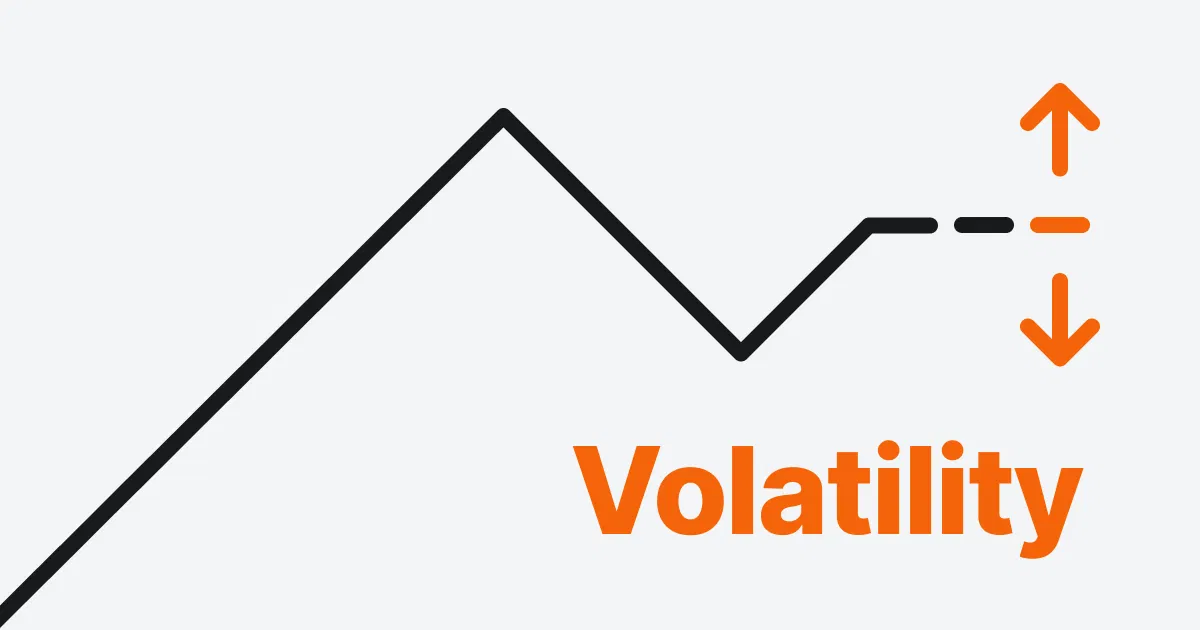
Short-term spikes often happen during update cycles. Long-term instability may point to deeper structural issues.
Volatility Ranking Explained
Volatility ranking measures the instability of search engine rankings across keywords. High volatility shows strong ranking shifts in engine results pages SERPs. Low volatility shows steady performance.
Compare your site’s volatility with overall search volatility. This shows whether changes are isolated or broad. Site-level data should always be compared to market-wide signals.
Is Higher Volatility Better?
Is higher volatility better? Not always. High volatility may bring short-term gains. It may also bring risk. Stable rankings usually support steady organic traffic.
Fast growth during unstable periods may reverse later. Stability often provides more predictable long-term results.
SEO Volatility vs Google Stock Volatility
SEO volatility refers to fluctuations in search engine rankings. Google’s stock volatility relates to stock prices. Both measure change, but they track different systems.
Clear definitions help avoid confusion when reviewing reports.
How to Monitor and Measure Keyword Volatility
How to monitor keyword volatility requires steady tracking. Teams review keyword positions daily or weekly. Monitoring shows whether changes are normal or unusual. Good data supports better decisions.
Tracking should combine ranking data, organic traffic trends, and user behavior signals.
Using an SEO Rank Tracker
An SEO rank tracker, such as Semrush or Google Search Console, records keyword positions over time. It highlights rank drops and shifts. Regular tracking shows patterns in search engine results pages.
Group keywords by topic cluster. This helps spot affected sections quickly.
SERP Volatility Tracker Tools
A SERP volatility tracker tool measures market-wide movement. An SEO volatility tool collects data across many keywords. These tools show when volatility ranking levels rise.
Compare your site data with industry-wide data to gain deeper insight. Market spikes often align with Google algorithm updates.
Tracking Volatility with Semrush Ranking
Tracking volatility with Semrush ranking data helps organize keywords by topic. Tools label volatility as low, medium, or high. Compare results across time periods.
Cross-check findings in Google Search Console to confirm trends.
Comparing Volatility Metrics
Different tools measure volatility in different ways. Some tools track average position change. Others track percentage movement.
Use a single primary reporting method to keep analysis simple and consistent.
Setting Alerts for Search Volatility
Set alerts to detect sudden rank drops. Alerts can trigger when drops in ranks pass a set limit. Early signals allow calm review.
Clear review steps prevent rushed decisions and unnecessary site changes.

How to Reduce and Stabilize SEO Volatility
Reducing volatility focuses on stability. Search systems change often. Stable sites rely on strong SEO strategies supported by structured technical analysis and advanced SEO services. Clear structure supports long-term performance.
Consistent technical SEO improvements reduce the risk of severe ranking shifts.
What Are the 3 Cs of SEO?
The 3 Cs of SEO mean content, code, and credibility. Content must clearly match the user’s intent. The code includes technical SEO elements such as page speed and crawl setup.
Credibility includes trust signals, relevant references, and strong internal linking.
What Are the 4 Pillars of SEO?
The 4 pillars of SEO include:
- Content quality
- Technical structure
- Authority
- User experience
Each pillar supports search engine rankings.
Weak areas increase risk during updates. Balanced improvement reduces instability across ranking systems.
Strengthening Content, Technical, and Authority Signals
Strong content answers user intent directly. Regular content update cycles keep pages relevant and improve visibility through content freshness SEO. Technical SEO improvements, such as improved Core Web Vitals, support stable indexing.
Clear internal linking distributes authority and supports ranking stability. A structured page hierarchy also helps search engines interpret content more clearly.
Rodrigo César and Christopher Cáceres, industry professionals in search analysis, stress careful review before reacting to volatility. They advise separating short-term ranking shifts from deeper issues. Structured analysis leads to better decisions. Stable search engine rankings depend on steady, disciplined work.
Conclusion
Rank volatility shows how much search engine rankings change over time. To define SEO rank volatility properly, you must understand its causes, tools, and response methods. Monitoring tools and clear SEO strategies support informed decisions.
Volatility is normal in search systems. The key is to understand it, measure it correctly, and respond with structured analysis rather than guesswork.