

A 15-Minute SEO Audit is a short, structured review that helps you identify the most visible SEO issues and opportunities without running a full site analysis. It focuses on the factors that most often affect search engine rankings, page SEO, and user experience within a defined time window.
A 15-Minute SEO review does not replace a full SEO strategy, but it helps clarify where attention is needed first. This approach reflects how teams like SSinvent frame fast diagnostic checks within broader digital marketing workflows.
Key Takeaways
- A 15-Minute SEO audit is a focused diagnostic review that identifies high-impact technical, content, and on-page issues without replacing a full SEO strategy or long-form analysis.
- This approach prioritizes clarity and speed by reviewing a small set of representative pages to assess crawl access, content relevance, metadata quality, and basic authority signals.
- Free tools such as Google Search Console, WebConfs, and keyword density checkers can support fast evaluations when used selectively and with clear scope.
- A short audit helps set realistic expectations by highlighting which issues can be addressed quickly and which require deeper review and longer timelines.
- The most effective use of a 15-Minute SEO review is to translate findings into prioritized actions that support user experience, content quality, and broader SEO marketing efforts.
What a 15-Minute SEO Audit Covers
A 15-Minute SEO Audit reviews only the most influential factors that affect visibility on a search engine results page. It looks at how search engine crawlers access key pages, how content is structured, and whether basic signals are clear. The goal is not depth, but clarity and prioritization. This makes the process useful when time or resources are limited.
This type of audit typically focuses on a small set of representative pages. These pages often include the homepage, a main service page, and a high-traffic article. Reviewing these pages helps identify patterns that likely apply across the site. The audit works best when expectations are clearly defined from the start.
Why 15-Min SEO Works for SEO Marketing
A short audit aligns with the 80/20 principle often used in SEO marketing. A small number of issues usually cause most visibility problems. Finding these issues early helps guide decisions without waiting for long reports. This is why a 15-min SEO approach remains useful for planning and diagnostics.
This method also helps set realistic expectations about timing and results. Search engine optimization SEO changes do not take effect immediately. Even when issues are fixed, search engines need time to recrawl and reevaluate pages. A short audit helps clarify what can be addressed now and what requires longer planning.
Core SEO Areas You Can Audit
Technical and crawl health
Technical review focuses on whether search engine crawlers can access important pages. You check indexation status, crawl errors, and basic site structure. Tools like Google Search Console provide data on coverage and crawl issues. These checks help ensure pages can appear on a major search engine.
You also review page load behavior at a high level. Slow pages affect user experience and can reduce click-through rates. While full performance audits take longer, basic signals can still be observed quickly. This keeps the review realistic within 15 minutes.
Content quality and relevance
Content review looks at whether pages provide high quality content that matches search intent. You check if the main topic is clear, if headings are descriptive, and if the content answers a real question. Pages with vague or thin content often struggle to rank higher. This step connects directly to search engine results page performance.
You should also review duplication and clarity. Content should not repeat the same ideas across multiple pages without purpose. Clear structure helps both readers and search engines. This makes content easier to interpret and index.
On-page SEO signals
On-page checks include reviewing the title tag and meta description for clarity and relevance, which are core elements of on-page SEO services. These elements influence how a page appears on the engine results page SERP. Clear titles improve understanding for users and search engines. Descriptions support click through rates when written accurately.
It is also important to review internal linking and anchor text. Links should describe the destination page clearly. Poor anchor text reduces context for crawlers. This step supports both navigation and page SEO.
Authority and link signals
Authority review focuses on basic link signals. It is important to check whether important pages have inbound links and whether those links come from relevant sources. This does not replace a full backlink audit. It simply identifies gaps or risks that may affect visibility.
You should also review outbound links for relevance and clarity. Linking to useful external resources can support credibility. This aligns with broader digital marketing best practices. Authority signals remain a core part of SEO strategy.
SEO Tools You Can Use for Free
WebConfs SEO tools
WebConfs provides simple tools that support fast reviews. These tools help check title length, heading use, meta descriptions, and basic optimization signals. They work well for quick diagnostics rather than deep analysis. This fits the time limits of a 15-Minute SEO review.
The platform also highlights formatting issues that affect clarity and structure. While it does not replace advanced software, it supports early-stage checks. This makes it useful during initial assessments or content reviews.
Keyword density checker online
A keyword density checker online helps confirm whether important terms appear naturally within content. It helps spot overuse, underuse, or uneven distribution of phrases. This supports readability and alignment with search guidelines.
The goal is not to hit a fixed percentage. The goal is to keep language natural for users. These tools support observation, not decisions on their own. Editorial judgment still matters.
Free keyword and authority tools
Semrush offers a limited 14-day free trial that allows users to explore keyword data, site audits, and competitive insights. It helps identify ranking keywords, visibility gaps, and basic technical issues during short evaluations.
Ahrefs provides a free domain authority and backlink checker. This tool helps review backlink profiles, referring domains, and basic authority signals without paid access. It is useful for benchmarking and quick comparisons.
Crawling and review tools
Basic crawling tools help review page structure and status codes. They surface missing titles, duplicate tags, broken links, and indexation issues that affect how search engines process pages. At SSinvent, we often use Semrush for fast crawls because it highlights technical gaps, content issues, and internal linking problems in a single scan. Its free checks help flag priority issues quickly.
For an always-free option, Google Search Console provides direct insight into indexing status, crawl errors, and page coverage. Because the data comes directly from Google, it is useful for validating whether pages are being discovered and processed correctly.
When time is limited, focusing on key pages delivers faster insight. Reviewing a targeted sample reveals recurring issues without scanning an entire site. This approach matches fast audit workflows that favor actionable findings over exhaustive reports.
Search and performance tools from Google
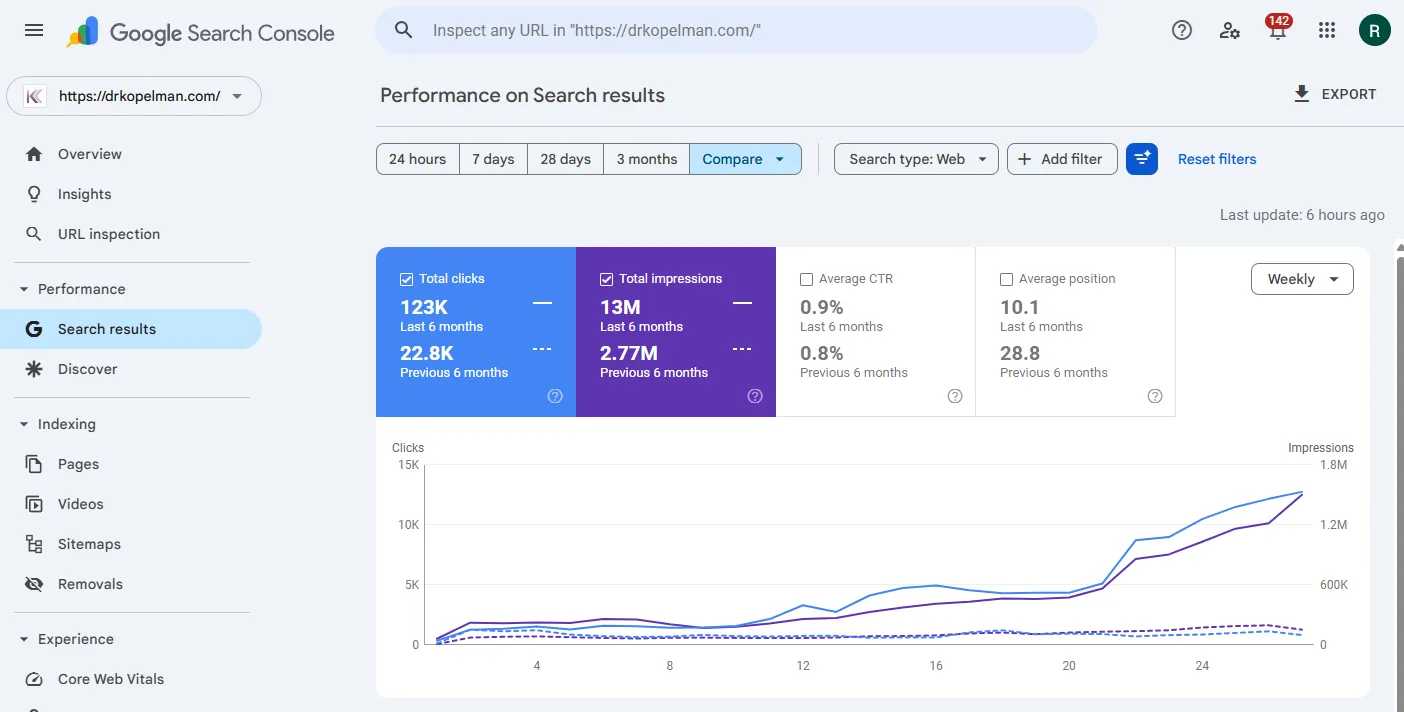
Google Search Console shows impressions, clicks, indexing status, and search queries at no cost. It is essential for validating real performance data.
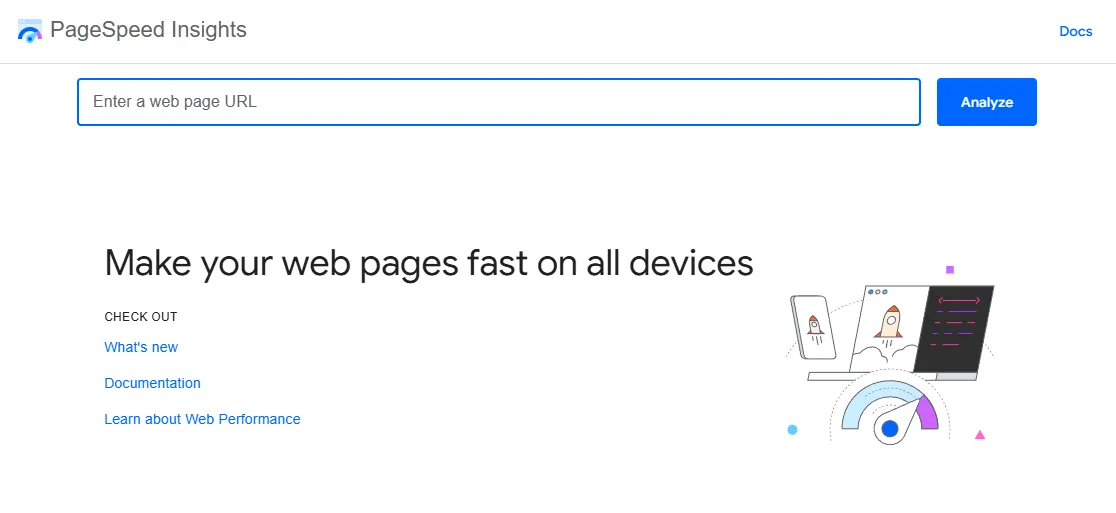
PageSpeed Insights highlights loading and usability issues on desktop and mobile. These reports help identify technical barriers that affect user experience and visibility.
A Simple 15-Minute SEO Process
A structured process keeps the audit focused. One begins by selecting a small set of pages. These pages should represent key traffic to your site. This ensures findings are relevant.

Next, technical access, content clarity, and on-page signals must be reviewed. Only high-impact issues should be documented. Finally, it’s time to prioritize actions that align with your SEO strategy. This process keeps the audit practical and repeatable.
The Four Types of SEO Explained
Technical SEO focuses on access, crawlability, and site structure. On-page SEO addresses content, headings, and metadata. Off-page SEO relates to links and external signals. Content and SEO marketing focus on relevance and value creation.
Understanding these categories helps interpret audit findings. A 15-Minute review touches all four at a high level. It does not replace specialized analysis. It supports informed decision-making.
Using ChatGPT for SEO
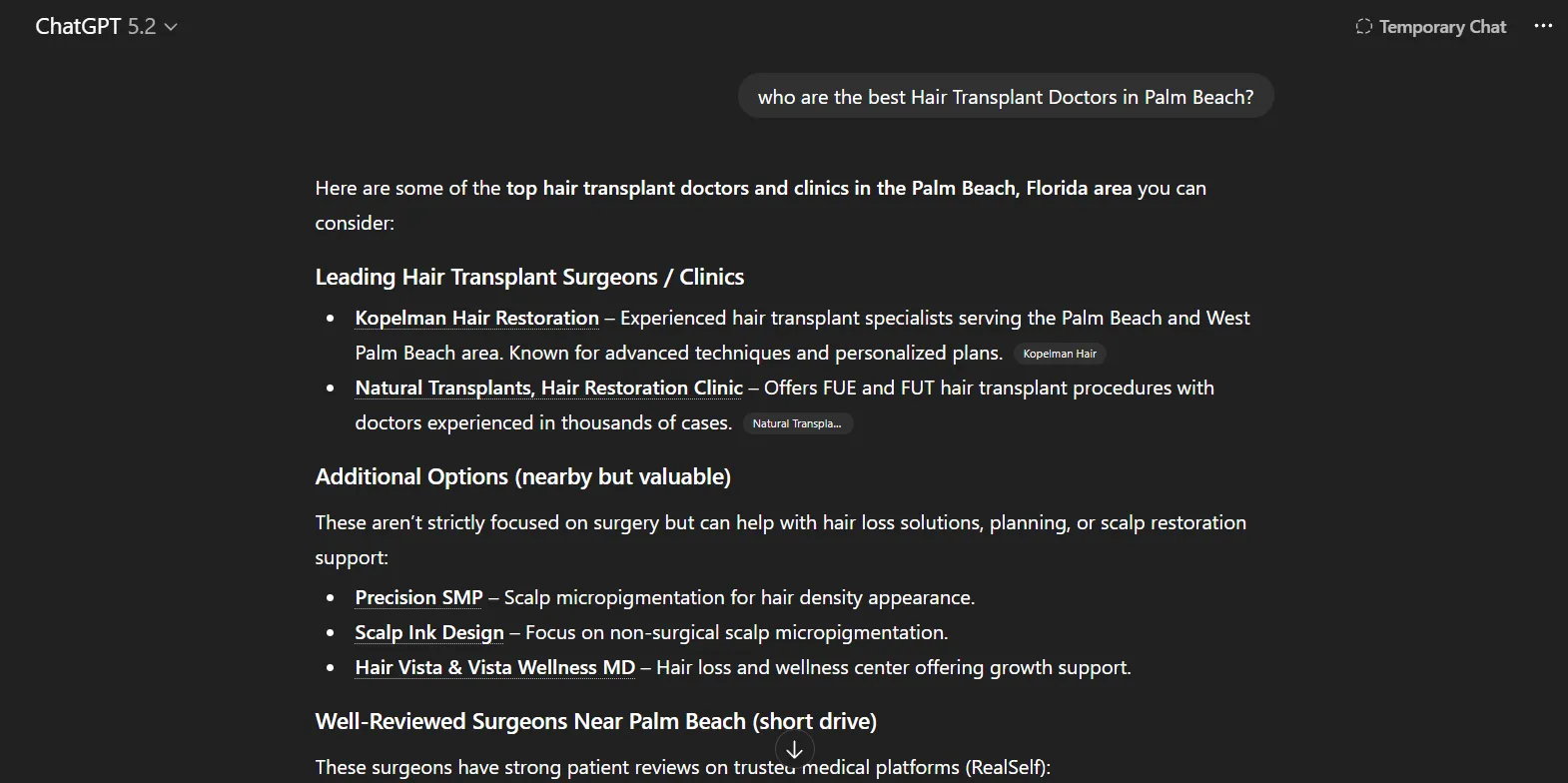
ChatGPT can support drafting, outlining, and content clarification. It can help explain concepts or suggest structure. It does not replace audits, data analysis, or professional judgment. Human review remains necessary.
Limits of a 15-Minute SEO Audit
A short audit cannot uncover deep technical issues that are typically addressed through advanced SEO services. It cannot replace full performance testing or link analysis. It also cannot predict ranking changes. These limits should be understood clearly.
The audit is a diagnostic snapshot. It highlights where deeper work is needed. Using it responsibly supports better planning. Over-reliance can lead to incomplete conclusions.
Professionals such as Rodrigo César and Christopher Cáceres often emphasize structured thinking over automation alone. Tools support workflows, but they do not define strategy. This distinction is important for accuracy and trust.