
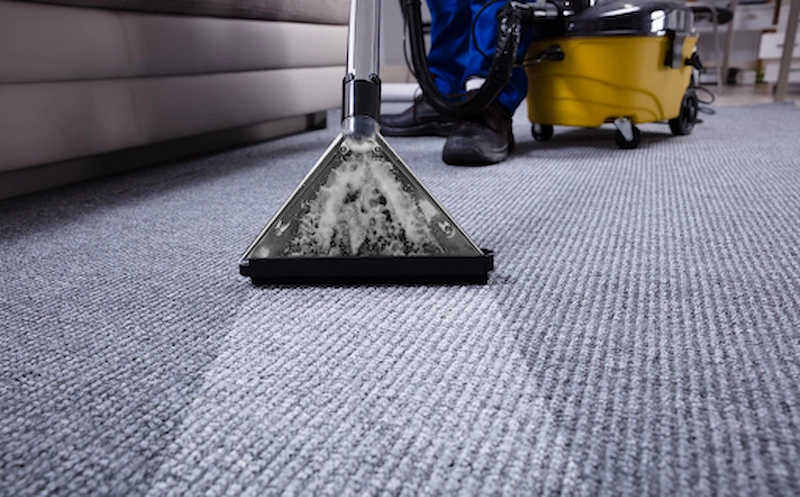
SSinvent approaches this process through technical SEO, content marketing, strategic backlinks, and web development. Rodrigo César and Christopher Cáceres lead the team as industry professionals who connect site structure, content quality, authority building, and tracking.
Their approach treats rankings and leads as connected outcomes, so each page must be crawlable, useful, locally relevant, and measurable.
Key Takeaways
- Search engine optimization helps a company appear when potential customers search for local services, such as stain removal, rug cleaning, or nearby providers.
- Strong rankings depend on service pages, location pages, Google Business Profile, reviews, technical health, backlinks, and tracking.
- Each page should target one clear search intent. A service page should explain the service, while a location page should explain the service areas covered.
- Search growth is a long-term process because search engines need time to crawl, compare, and reassess pages.
- Tracking calls, forms, map actions, rankings, and revenue gives a clearer view than traffic alone.
What Is Carpet Cleaning SEO?
This strategy improves a website so it appears for service and location-based searches. It helps search engines understand which services a company offers, where it works, and what questions its pages answer. For carpet cleaning companies, the focus is not just on traffic but on traffic from users who need clean carpets, stain removal, upholstery care, or rug cleaning.
Why It Matters for Service Providers
SEO for carpet cleaners matters because most potential customers compare local options before calling. A business that appears in local search results, organic listings, and the Google Maps section has more chances to be considered. A cleaner seo strategy should connect search intent with clear pages, accurate business information, and a simple path to contact.
Local Visibility
Local visibility depends on service areas, reviews, Google Business Profile details, location pages, and consistent contact information. These signals help Google match a company with searches for carpet cleaning in a specific city or neighborhood. Strong local visibility also supports trust when users compare several providers.
Qualified Leads
Qualified leads come from users who already need a specific service. They may search for pet stain removal, commercial cleaning, emergency service, or rug care in a local area. Pages that answer those needs can attract users who are closer to booking.
Keyword Strategy
A keyword strategy helps a business understand how users describe their needs. The right terms should reflect service type, location, urgency, and problem. Keyword research should guide headings, titles, service descriptions, FAQs, and internal links.
How to Find Keywords
A company can find relevant keywords through Google Search Console, Google Keyword Planner, competitor pages, customer calls, form submissions, and Google autocomplete. These sources help distinguish broad terms from service-, location-, stain-, and cost-related queries.
A complete digital marketing plan should also review customer questions on social media, as they can reveal useful content topics.

Sample Keyword Map
A keyword map assigns each term to the right page so the homepage, service pages, location pages, and blog posts do not compete with each other.
For example, the homepage may target “carpet cleaning in [City],” a service page may target “commercial carpet cleaning in [City],” and a blog post may target “how long does carpet take to dry after cleaning.”
This keeps each page focused and easier for users and search engines to understand.
Pages That Rank and Convert
A service website needs pages that match how users search. Service pages explain what the company does, location pages explain where it works, and blog content answers common questions. Each page should have one purpose, clear headings, useful details, and internal links to related content.
Service Pages
Service pages should explain the offer, who needs it, what problems it solves, and what users can expect. A strong page may include the service and city in the main heading, a short answer, the process, areas served, trust signals, FAQs, and a contact option. This helps users compare the company with other local providers.
Location Pages
Location pages should include more than a city name and repeated text. They should mention services available in that city, nearby neighborhoods, local customer needs, internal links, and clear contact information. Unique local details help the page match location-based search intent.
Google Business Profile
Google Business Profile supports local map visibility and helps users confirm services, hours, photos, reviews, and contact details. The profile should match the website and other listings across the web. Outdated or inconsistent information can confuse users and weaken local signals.
Profile Checklist
A complete Google Business Profile helps users and Google confirm what the business offers, where it works, and how to contact it.
Use this checklist:
- Claim and verify the Google Business Profile.
- Choose the most accurate primary category.
- Add only relevant secondary categories.
- List all real services offered.
- Add correct service areas.
- Keep business hours updated.
- Add current photos of work, equipment, and team members.
- Publish useful posts or updates when relevant.
- Request reviews from real customers.
- Respond to reviews in a clear and professional way.
- Keep the business name, address, and phone number consistent across the website and directories.
On-Page, Technical, and Authority Signals
On-page and technical work helps search engines crawl, understand, and display important pages. Useful checks include title tags, meta descriptions, headings, internal links, mobile speed, HTTPS, crawl access, XML sitemaps, LocalBusiness schema, and FAQ schema when the FAQ appears on the page. These fixes support content quality but do not replace useful service information.
Link building and local mentions help search engines evaluate trust and relevance. Local Chamber of Commerce pages, property managers, real estate offices, interior designers, cleaning suppliers, sponsorship pages, and trusted directories can all support authority when they reflect real relationships. Quality matters more than volume.
Tracking Results
Tracking shows whether search visibility supports business goals. Useful data sources include Google Search Console for queries and clicks, Google Analytics for organic sessions and conversions, Google Business Profile Insights for map actions, call tracking for lead source accuracy, and CRM notes for booked jobs. This helps separate search-related rankings, traffic, calls, forms, and revenue.
Common Mistakes to Avoid
Small website issues can limit visibility and affect quality. Watch for these common problems:
- Thin service pages with little useful detail.
- Duplicate location pages with only the city name changed.
- Slow mobile performance.
- Weak or unmanaged reviews.
- Unclear service descriptions.
- Missing internal links between related pages.
- Inconsistent business details across directories.
Consult With SSinvent
A clear search strategy can help your website become easier to find, understand, and measure. If your business needs support with technical SEO, content, backlinks, or web development, consult with SSinvent to review the next steps for stronger search visibility.