

Progressive SEO combines technical SEO, content creation, and authority building into phased improvements that align with how search engine algorithms evaluate performance, rather than relying on one-time optimization.
Innovative SEO techniques support this process by introducing methods such as automation, user behavior analysis, and scalable content strategies.
SSinvent, based in Austin, applies these principles through technical audits, structured content development, and ongoing optimization practices.
The following sections explain how this approach works and how it differs from traditional SEO models.
This approach reflects how modern search engine algorithms evaluate content. Instead of rewarding static pages, systems prioritize pages that evolve based on user behavior, performance data, and relevance within the digital market.
Key Takeaways
- Progressive SEO is a continuous optimization approach that improves a web page over time through data analysis, updates, and alignment with search engine algorithms.
- It combines technical SEO, content creation, and link building into a phased strategy that adapts to changes in search engine results pages and user behavior.
- Innovative SEO techniques such as programmatic SEO, automation, and performance optimization help scale efforts while maintaining relevance and clarity.
- Effective SEO results depend on consistent updates, accurate measurement using tools like Google Search Console, and prioritizing high-impact improvements.
- A progressive approach supports long-term visibility, stable search engine rankings, and better alignment with user intent without relying on one-time optimization efforts.
What Is Progressive SEO
Simple Definition and Core Idea
Progressive SEO is a method where a website improves its search engine rankings through continuous updates rather than a single optimization phase. It focuses on refining each web page over time using data from tools like Google Search Console. This approach treats SEO as an ongoing process instead of a fixed project.
The core idea is simple. You create content, measure performance, and adjust based on results. Each update helps improve visibility in search engine results pages and aligns the content with user intent.
This process also ensures that each blog post remains relevant. As search trends change, updating existing content often produces better results than creating entirely new pages without historical performance data.
Why It Differs From Traditional SEO
Traditional SEO often relies on large, one-time changes. Teams optimize a blog post, publish it, and move on. Progressive SEO takes a different path by continuously revisiting and improving content.
This difference matters because search engine algorithms change frequently. A static strategy may lose effectiveness, whereas a progressive model adapts to changes in the digital market and remains relevant over time.
It also reduces dependency on guesswork. Decisions are based on measurable performance instead of assumptions about what may work.
SEO Basics Behind Progressive SEO
What the Heck Is SEO?
SEO stands for search engine optimization. It refers to the process of improving a web page so it appears in search engine results pages when users search for relevant topics.
SEO helps search engines understand content. It also helps users find answers that match their intent. A search engine optimized page includes a clear structure, relevant keywords, and useful information.
At its core, SEO connects user queries to accurate, structured content. This connection is what determines visibility in engine results pages SERPs.
What Are the 4 Types of SEO
SEO includes several core areas that work together:
- Technical SEO – focuses on site structure, speed, and indexing
- On-page SEO – improves content, headings, and meta description
- Off-page SEO – builds authority through links and mentions
- Local SEO – targets location-based searches
Each type supports progressive SEO by contributing to overall visibility and performance.
When combined, these areas create a balanced strategy. Ignoring one component can limit the effectiveness of overall SEO efforts.
What Are the 3 Cs of SEO
The three main components of SEO are:
- Content – provides value and answers user questions
- Code – ensures the site is accessible and crawlable
- Credibility – builds trust through links and reputation
These elements guide SEO efforts and help maintain consistency across updates.
They also align with how search engine algorithms evaluate quality. Content must be useful, code must be functional, and credibility must be established over time.
How Progressive SEO Works
Phase-Based Optimization Approach
Progressive SEO works in stages. First, you create content around a target keyword. Then, you analyze how it performs in engine results pages SERPs.
Next, you update the content. You may adjust headings, improve clarity, or fix a broken link. Each phase improves the page based on real data instead of assumptions.
This staged approach allows teams to prioritize improvements. It also ensures that each change contributes to measurable progress.
Continuous Testing and Improvement
Testing plays a central role in progressive SEO. You monitor metrics such as click-through rates, bounce rates, and conversion rates. These indicators show how users interact with your content.
You then refine the page based on these results. This cycle continues, helping the content adapt to search engine algorithms and user expectations.
Christopher Cáceres has highlighted that continuous testing reduces risk. It allows teams to validate changes before scaling them across multiple pages.
What Is the 80/20 Rule for SEO
The 80/20 rule suggests that a small portion of actions drives most results. In SEO, this means focusing on high-impact updates.
For example, improving a meta description or fixing a technical issue can increase visibility. Progressive SEO uses this principle to prioritize tasks that deliver measurable improvements.
This rule helps teams allocate resources effectively. It ensures that time is spent on actions that most influence search engine rankings.
Core Elements of Progressive SEO
Technical SEO Foundations
Technical SEO ensures that a website is accessible to search engines. It includes site speed, indexing, and structured data.
A strong technical base allows search engines to crawl and understand content efficiently. Without it, even high-quality content may not appear in search engine results pages.
Regular audits help identify issues early. This includes crawl errors, indexing problems, and performance limitations.
Content Strategy and Optimization
Content creation is central to progressive SEO. Each blog post must address a specific target audience and answer a clear question.
You should update content regularly. This includes adding new information, improving clarity, and aligning with current search trends. Rodrigo César has emphasized the importance of structured updates to maintain relevance.
Effective content also reflects search intent. It should match what users expect to find when they search for a target keyword.
Link Building and Authority
Links signal credibility and page authority to search engines. A page with strong authority is more likely to rank higher.
Progressive SEO focuses on building links over time. This includes internal and contextual links for SEO, external references, and the removal of broken links that reduce trust.
Authority grows gradually. Consistent link building supports long-term visibility and stability in rankings.
Innovative SEO Techniques in Practice
Data-Driven Content Optimization
Modern SEO relies on data, and tools like Google Search Console help identify performance gaps. You can analyze impressions, clicks, and rankings, and this data helps refine content and improve visibility in search engine results pages. Data also reveals opportunities. It shows which topics require expansion or adjustment.
Programmatic SEO Service Strategies
Programmatic SEO creates multiple pages at scale. It uses templates and structured data to generate content efficiently. This method supports large websites that target many keywords, and allows consistent optimization while maintaining quality and relevance.
Programmatic SEO often used in structured datasets. Examples include location pages, product listings, or category-based content.
AI and Automation in SEO
AI tools support content creation and analysis, and they help identify trends, suggest keywords, and improve structure. Automation reduces manual work. It allows teams to focus on strategy and analysis while maintaining high performance across pages.
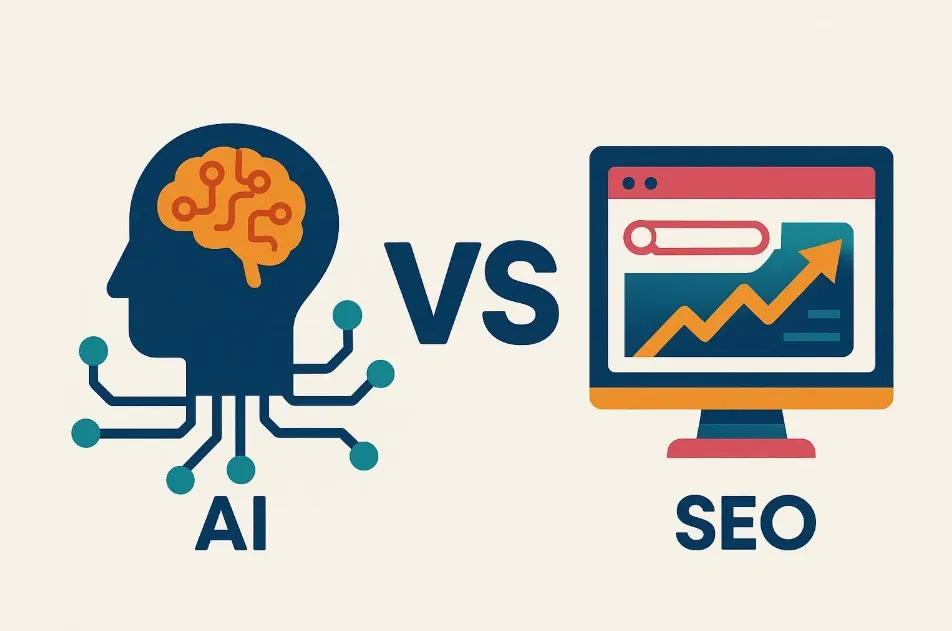
These tools also assist in identifying gaps. They highlight missing topics or opportunities for improvement.
Progressive Web App SEO Considerations
Progressive web app SEO focuses on performance and usability, and fast loading times and a responsive design improve user experience.
Search engines prioritize high-performance sites, which makes technical optimization essential for maintaining rankings. Proper indexing is also important, as search engines must be able to access and interpret dynamic content.
Progressive Google Reviews and SEO Impact
User reviews influence credibility. Positive feedback signals trust to both users and search engines.
Christopher Cáceres has noted that user-generated content contributes to visibility. Reviews can improve engagement and support ranking signals. They also influence user decisions. Strong review signals can impact conversion rates and perceived trust.
Progressive SEO vs Traditional SEO
Key Differences in Strategy
Progressive SEO focuses on continuous improvement. Traditional SEO often relies on static optimization.
The progressive approach adapts to search engine algorithms and responds to user behavior, making it more flexible. This flexibility allows faster adjustments. It reduces the risk of outdated content affecting rankings.
When to Use Each Approach
Traditional SEO works for short-term campaigns. Progressive SEO works for long-term growth.
Businesses that aim for sustained visibility benefit more from a progressive strategy, as it allows consistent updates and better alignment with search trends. The choice depends on goals. Long-term strategies require ongoing investment and analysis.
Benefits and Results of Progressive SEO
Sustainable Long-Term Growth
Progressive SEO supports gradual improvement, as each update builds on previous efforts. This approach reduces risk, as it avoids sudden drops in rankings by maintaining consistent optimization. It also improves stability. Rankings become less dependent on single updates.
Improved Rankings and Visibility
Regular updates improve search engine rankings. Pages become more relevant and aligned with user intent, which leads to better visibility in search engine results pages. It also increases the likelihood of attracting qualified traffic. Higher visibility supports consistent traffic growth and improves engagement across the site.
SEO Timeline and Expected Results
SEO takes time. Results depend on competition, content quality, and consistency.
Progressive SEO provides a clear timeline. Small improvements add up, leading to measurable growth over time. Tracking progress is essential, because metrics help evaluate performance and guide future updates.

How to Implement Progressive SEO
Start With a Technical Audit
A technical audit identifies issues that affect performance, which includes broken links, slow pages, and indexing errors. Fixing these problems improves site accessibility, creating a strong foundation for further optimization. Audits should be repeated regularly, as this ensures that new issues do not affect performance.
Build and Optimize Content
Content should address user needs. Each piece must target a specific keyword and provide clear answers.
You should update content regularly, as this ensures relevance and improves alignment with search engine algorithms. Effective content also improves engagement. It encourages users to stay longer and explore related pages.
Measure and Adjust Continuously
Measurement is essential, so use tools like Google Search Console to track performance.
Adjust your strategy based on results. This process helps maintain visibility and improve conversion rates. Continuous monitoring ensures accuracy, and helps detect performance changes early.
Common Mistakes to Avoid
Expecting Immediate Results
SEO is not instant: results take time and depend on consistent effort. Expecting quick outcomes can lead to poor decisions. A progressive approach requires patience and discipline.
Short-term thinking often limits long-term success. Consistency produces better outcomes.
Ignoring Data and Performance
Data provides insights into performance, and ignoring it limits your ability to improve. You should analyze metrics regularly, as this helps identify opportunities and refine your strategy.
Without data, decisions rely on assumptions, which increases the risk of ineffective changes.
FAQs About SEO
How Long Does SEO Take to Work?
SEO results vary. Most websites see changes within a few months. The timeline depends on competition and consistency. Progressive SEO helps maintain steady improvement. Longer timelines often produce stronger results. Gradual improvement builds stability.
What Impacts SEO Results the Most?
Content quality, technical performance, and authority influence results. These factors shape how search engines evaluate a page. Focusing on these elements improves visibility. It also enhances user experience. Consistency also matters, as regular updates reinforce relevance and authority.
Is Progressive SEO Worth It?
Progressive SEO offers a structured approach to long-term optimization. It aligns with how search engine algorithms evolve. For businesses seeking sustainable growth, it provides a clear and measurable path.