

This works best when each page answers a clear search intent, explains the service, and guides the visitor toward a relevant next step. Strong search engine optimization includes keyword research, helpful content, optimized service pages, technical fixes, backlinks, and tracking.
SSinvent approaches this through technical SEO, content marketing, strategic backlinks, and web development to help coaching businesses build clearer search visibility.
Key Takeaways
- SEO for coaches helps a website match real search intent, clearly explain services, and attract more qualified leads from Google.
- A strong strategy includes keyword research, helpful content, technical fixes, backlinks, and conversion-focused page design.
- Service websites should target specific services, local, and problem-based keywords instead of broad terms like “coach.”
- Trust matters because this type of content can affect personal and business decisions, so claims should stay accurate and within the provider’s professional scope.
- Results should be measured through organic traffic, keyword rankings, leads, calls, and conversion rates, not rankings alone.
Who This Guide Is For
This guide is useful for life coaches, business mentors, executive advisors, health consultants, leadership specialists, and consultants offering service-based services. It applies best to professionals with a clear service, a defined audience, and a website that needs greater visibility. It is also useful for those who rely on referrals or social media but want a stronger search presence.

What Is SEO for Coaches?
It’s the process of improving a website so users and search engines can understand it. It includes keyword research, page structure, helpful content, technical fixes, backlinks, and tracking. The goal is to connect coaching services with people who are already searching for support.
A website should not only describe a general offer. It should explain who the service helps, what problem it solves, and what action the visitor can take. Clear pages help users understand the offer and help search engines match the page to relevant queries.
Does Organic Search Work?
This approach can work when the website aligns with real search intent and provides users with useful information. A provider may attract visitors through service pages, blog posts, FAQs, local pages, and coaching client questions. Before investing in SEO, business owners should understand that results depend on competition, website quality, content depth, and execution.
Search traffic works differently from social media. Social platforms can support visibility and trust, but posts often lose reach quickly. A website can become a searchable asset because users can find it through Google search when they have a specific need.
Best Strategy for Search Visibility
The best SEO strategies combine technical quality, helpful content, strategic backlinks, and conversion-focused web design. These parts work together because traffic alone does not create business value. A page should attract the right visitor, answer the right question, and guide that person toward a relevant next step.
Helpful content should answer the exact query, explain the provider’s method, include examples, and link to the next useful page. Professionals should create content that remains within their scope and avoids making medical, therapeutic, legal, or financial claims unless they have the appropriate qualifications.
This supports trust and helps ideal clients understand whether the service fits their needs. A simple search-to-lead path may start with a blog post, move through an internal link, and end on a service page or consultation form. For example, a post about burnout can link to a relevant service page when the topic matches the offer. This structure turns content into a clear lead pathway.
Coaching SEO Keyword Research
Keyword research helps define what users search for before they choose a provider. A clear plan separates service, local, and problem-based keywords because each supports a different page type. Broad terms are often too vague, while specific terms show clearer intent.
Useful keyword examples include:
- Life coach for career change
- Executive coach for managers
- Business coach for small business owners
- Health consultant for weight loss
- Leadership advisor for women
- Online support services for professionals
Service keywords usually belong on offer pages. Local keywords support location-based visibility and Google Business Profile performance. Problem-based keywords often work well for blog posts and FAQ sections.
Content Marketing for Service Providers
Content marketing helps professionals educate users before a sales conversation. Blog posts, FAQs, and case studies can explain how the process works, who it helps, and what users should consider before booking a call. This creates more entry points from search and supports informed decision-making.
FAQs should answer direct questions about cost, timeline, online sessions, fit, and process. Case studies should describe context and process without making guaranteed claims. Internal links should guide users from informational content to related service pages when the connection is natural.
Technical Fixes and Backlinks
Technical work helps search engines crawl, read, and index a website. Core tasks include improving site speed, mobile usability, HTTPS security, URL stability, broken links, redirects, and indexing issues. Google Search Console can help identify problems that stop pages from appearing in search results.
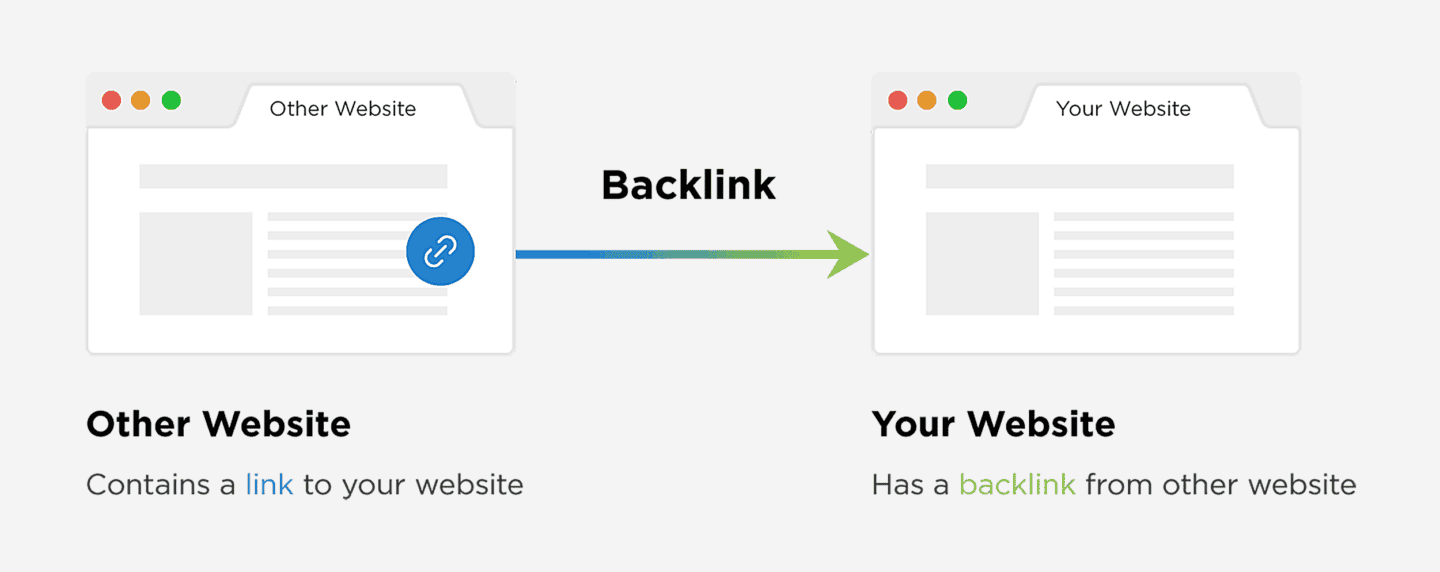
Backlinks help build authority when they come from relevant, credible websites, especially when they appear as contextual links in SEO that fit naturally within useful content.
Professionals can earn links through guest posts, podcast features, local directories, partner pages, useful expert content, and article-submission SEO when placements are relevant and high-quality. Internal links also matter because they connect related pages and help users move through the site.
Search Tools for Service Websites
Providers do not need many tools to start. A small set of platforms can help with keyword research, audits, local visibility, and tracking. Tools should guide decisions, not replace strategy.
Useful tools include Google Search Console for clicks, impressions, rankings, and indexing issues. Google Keyword Planner and Semrush can support keyword research and competitor review. PageSpeed Insights checks loading performance, while Google Business Profile supports local visibility.
How to Track Organic Results
Tracking should focus on visibility, traffic quality, and lead actions. Rankings matter, but they do not capture the full value of a page on their own. Strong reporting compares organic traffic, keyword rankings, leads, calls, and conversion rates.
A realistic timeline starts with audits, keyword mapping, technical fixes, and key page improvements. Then the site needs focused content, internal links, and authority work over time. Progress depends on competition, website quality, content depth, and consistency.
Common Mistakes
Some search strategies fail because the website targets the wrong terms, gives users thin information, or lacks a clear path to action. These mistakes can reduce lead quality even when pages get traffic.
- Targeting broad keywords that do not match a specific offer can attract the wrong visitors.
- Publishing thin content that repeats basic advice without adding useful detail can limit trust and search value.
- Using weak calls to action can cause good traffic to produce few inquiries.
- Ignoring local search can reduce visibility for users looking for nearby or location-specific services.
- Skipping technical fixes can prevent search engines from crawling, reading, or indexing important pages.
- Relying only on social platforms can leave the website underdeveloped as a long-term search asset.
- Strong execution requires planning, measurement, and steady improvements.
SEO Services for Coaches
SEO services for coaches can include audits, keyword research, content planning, technical fixes, link-building support, and web development. Understanding the cost of an SEO audit can help providers evaluate the first step. The right service mix depends on the site’s condition, competition, goals, and available resources.
A provider should look for a clear scope, realistic expectations, and transparent reporting before choosing a support provider.
Can Service Providers Do This Themselves?
Yes, they can handle basic tasks themselves. They can improve page titles, write clear service pages, publish helpful articles, and set up tracking. More complex technical work or link-building may require outside support.
Do They Need a Blog?
A blog helps when users search for questions before choosing a service. It can explain topics, support trust, and connect readers to relevant offers. A blog should follow a plan rather than publish random topics.
How Long Does Organic Growth Take?
Organic growth usually takes 3 to 6 months to show early signs of movement, especially after technical fixes, content updates, and improved keyword targeting.
More competitive markets can take 6 to 12 months or longer because search engines need time to crawl, evaluate, and compare pages. Lasting gains usually require steady work across content quality, authority, internal links, and website performance.
If you want to improve your website’s search visibility, start with a clear review of your pages, keywords, content, and technical setup. SSinvent can help you identify what needs work and build a focused plan for stronger organic growth.